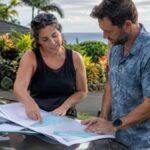

Buying a home in Kona can mean choosing among ocean-view condos, established neighborhoods near Kailua-Kona, hillside properties, and homes with more land in West Hawaiʻi. Each can offer a different daily experience, but the asking price rarely tells the whole story. Working with a local professional, such as Kona HI real estate agent Lailan Bento, can help buyers evaluate those differences. Lailan Bento’s Hawaiʻi Island real estate website includes home-search and valuation resources. It identifies her as co-founder and principal broker of Hawaiʻi Development Group, with a focus on Kona and broader real estate on Hawaiʻi Island.
The strongest purchase decision comes from viewing a property as a complete package: purchase price, ongoing expenses, condition, location, risks, rules, and plans. A home that seems like a bargain at first glance may require a larger maintenance reserve, have higher insurance costs, or include community rules that do not suit the buyer’s intended use.
Why the Listing Price Is Only the Starting Point
Two properties with similar prices can create very different ownership experiences. A newer condominium may have predictable exterior maintenance but higher monthly association dues. An older single-family home may have no association dues, yet need roof work, exterior painting, drainage improvements, or replacement of aging systems. Neither option is automatically better. The important question is which total cost and level of responsibility fits the buyer’s finances and lifestyle.
Build a Complete Monthly Housing Budget
Before becoming attached to a particular view or floor plan, estimate the full recurring cost of ownership. Ask a lender, insurer, association manager, and appropriate service providers for property-specific information when possible.
- Mortgage principal and interest.
- Property taxes.
- Homeowners insurance.
- Flood, wind, volcanic, or other coverage that may be required, available, or advisable.
- HOA or condominium association dues.
- Electricity, water, internet, and other utilities.
- Routine maintenance, landscaping, pest control, and cleaning.
- Reserve funds for larger repairs and replacement projects.
Check Insurance Before Making an Offer
Insurance should be investigated early, not treated as a last-minute closing task. Availability, deductibles, exclusions, and premiums can differ by location, construction type, roof condition, and exposure to wind, water, or volcanic hazards. Ask for a quote based on the actual property, then review what the policy does and does not cover. Buyers using financing should also confirm the lender’s insurance requirements before contingency deadlines approach.
Review Lava and Flood Information
Natural-hazard research is a standard part of due diligence on Hawaiʻi Island. The USGS explanation of lava-flow hazard zones on the Island of Hawaiʻi notes that zones are based largely on past eruptions and topography, and that their boundaries are approximate rather than sharp predictions for a particular parcel.
- Identify the property’s lava-flow hazard zone and discuss it with relevant professionals.
- Review drainage, slope, low-lying areas, nearby gullies, and signs of prior water intrusion.
- Ask about known storm, ash, water, or access disruptions affecting the property.
- Consider the roads used to reach the home, services, work, and emergency resources.
- Use the inspection period to obtain qualified opinions on concerns that arise.
Study Zoning, Access, and Permitted Uses
Do not rely on a listing alone to determine whether an addition, guest space, home business, long-term rental, or vacation-rental plan is allowed. Buyers should verify zoning, permits, recorded restrictions, setbacks, easements, and access arrangements. The county’s planning maps for zoning, parcels, permits, and subdivisions provide a useful starting point. Still, buyers should seek confirmation from an appropriate professional or the county for decisions that depend on a specific permitted use.
Compare Property Types With Care
Single-Family Homes
Single-family homes may offer more control over outdoor space, parking, and improvements. They also place responsibility for the roof, exterior, yard, drainage, and major systems directly on the owner. Buyers should ask about water service, wastewater systems, private roads, solar equipment, and permits for structures beyond the main residence.
Condominiums and Resort Properties
Condos can simplify some exterior maintenance and provide shared amenities. Still, buyers should review the association’s budgets, reserve funds, master insurance policy, meeting minutes, rules, litigation disclosures (if applicable), and planned projects. Resort-oriented properties may also have rules affecting rentals, renovations, pets, parking, and owner use. A low monthly fee is not the only consideration. The association’s financial planning and upcoming maintenance needs matter too.
Look Beyond the Interior
A bright kitchen or open lanai should not distract from the building’s working parts. Inspect the roof, windows, paint, decks, retaining walls, driveway, drainage, electrical system, plumbing, and appliances. Near the coast, salt air can be an important maintenance consideration for exterior materials and equipment. Confirm what is conveyed with the sale, including furnishings, solar components, water systems, and appliances, rather than assuming they are included.
Measure Location by Daily Life
Visit the property at more than one time of day if possible. Drive the routes to groceries, medical care, beaches, schools, work, and the airport. Note road noise, parking, sun, wind, elevation, and travel time. Kona’s microclimates can make one location feel notably different from another, so the neighborhood should fit the buyer’s routine, not only a vacation-day impression.
Use Comparable Sales and Local Perspective Wisely
Recent closed sales usually provide a better value reference than active listings alone. Compare properties with similar locations, lots, sizes, conditions, ages, views, amenities, and restrictions. Also, ask how long comparable homes were on the market and whether they required repairs or price changes. A local review can reveal differences between nearby areas that broad island-wide averages cannot show.
Pre-Offer Review Checklist
- Confirm the projected monthly payment and cash needed to close.
- Obtain an insurance estimate early.
- Verify taxes, association dues, and potential assessments.
- Review lava, flood, drainage, and access considerations.
- Confirm zoning, permits, easements, and intended use.
- Study comparable closed sales.
- Inspect major systems and outdoor structures.
- Ask about repairs, claims, maintenance, and included equipment.
- Set aside funds for future maintenance.
Common Questions From Kona Buyers
Is the lowest-priced home always the best deal?
No. A lower purchase price can be offset by repair needs, insurance costs, association obligations, or limitations that do not suit the buyer’s plans.
Should buyers get an insurance quote before making an offer?
Yes. An early quote can clarify cost, deductibles, and coverage limitations before the transaction moves too far forward.
What makes a Kona home a strong long-term choice?
A strong choice aligns with the buyer’s budget, intended use, maintenance capacity, insurance options, location preferences, and future goals. The best value is the property that works as one complete picture, not simply the one with the most attractive list price.