
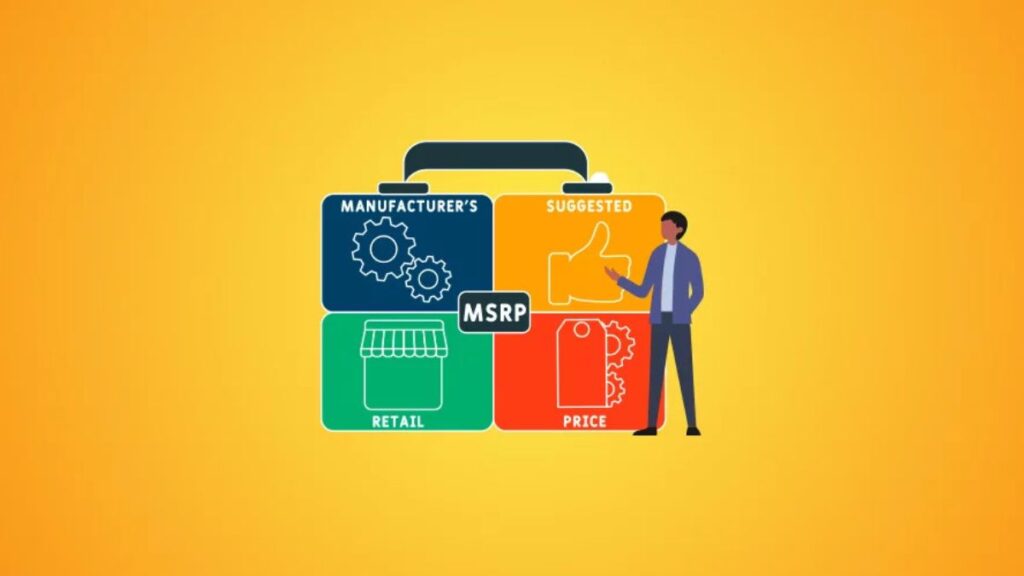
Introduction to MSRP Meaning
When shopping for a new gadget, car, or even your favorite pair of sneakers, you might have come across the term MSRP. But what does it really mean? Understanding the Manufacturer’s Suggested Retail Price can significantly influence your purchasing decisions. It’s more than just a number on a price tag; it’s a guideline that helps consumers navigate the often overwhelming world of retail pricing. As we dive into the intricacies of MSRP meaning and its implications, you’ll discover how this figure plays a crucial role in shaping not only your wallet but also your overall shopping experience. Let’s unpack this concept together!
Understanding the MSRP Concept
The Manufacturer’s Suggested Retail Price, or MSRP, is a term that often pops up in product pricing discussions. Essentially, it’s the price set by the manufacturer as a guideline for retailers.
MSRP serves multiple purposes. It helps maintain a consistent pricing strategy across different stores. When you see an item with its MSRP labeled, it gives you a baseline for comparison shopping.
Retailers can choose to sell items at or below this suggested price. Some may even mark them up based on demand or exclusivity. This flexibility provides insight into market dynamics and consumer behavior.
Understanding MSRP can empower buyers to make informed choices. It’s not just a number; it reflects value perception and competition among sellers in various markets. Recognizing this concept opens doors to savvy shopping strategies that benefit your wallet.
Pros and Cons of MSRP for Consumers
The Manufacturer’s Suggested Retail Price (MSRP) can be a double-edged sword for consumers. On one hand, it offers a baseline expectation of what to pay. This helps shoppers identify whether they’re getting a fair deal or if the price is inflated.
However, MSRP doesn’t always reflect the actual market value. Some retailers may set prices far above this suggested figure, leaving buyers feeling misled. Variations in pricing can create confusion and frustration when comparing similar products from different sellers.
Additionally, MSRP might not account for seasonal sales or promotions that could offer better savings elsewhere. Consumers must remain vigilant and do their research rather than take the MSRP at face value.
Relying solely on MSRP limits your ability to find true bargains in today’s competitive market landscape. It’s essential to weigh other factors before making any purchase decisions based on these figures alone.
How Retailers Use MSRP
Retailers utilize the Manufacturer’s Suggested Retail Price (MSRP) as a benchmark for pricing their products. This figure helps them maintain consistency across different locations, ensuring that customers encounter similar prices regardless of where they shop.
By displaying MSRP prominently, retailers can create an impression of value. Shoppers often feel they’re getting a deal if the sale price falls below this suggested amount. It plays into psychological pricing strategies that encourage spending.
Moreover, some retailers may use MSRP to set competitive prices among peers. If two stores sell similar items with differing MSRPs, consumers might lean towards the retailer offering lower prices.
Additionally, clearance sales often reference MSRP to highlight discounts more effectively. By showing how much shoppers are saving compared to the suggested price, it creates urgency and drives purchases in-store or online.
Factors that Influence MSRP
Several factors play a crucial role in determining the Manufacturer’s Suggested Retail Price (MSRP). First, production costs are fundamental. These include raw materials, labor, and overhead expenses that manufacturers incur while creating their products.
Market demand also impacts MSRP significantly. High demand for a specific item can lead to higher prices, as retailers capitalize on consumer interest. Conversely, low demand might push MSRP down to attract buyers.
Competition among brands is another key factor. If several companies offer similar products, they may adjust their MSRPs to stay competitive and appeal to price-sensitive consumers.
Seasonality affects pricing too. For example, holiday seasons often prompt manufacturers to set higher prices based on increased purchasing activity.
Economic conditions like inflation or recession influence MSRP decisions as businesses adapt strategies according to market trends.
Alternatives to MSRP
When shopping, it’s essential to look beyond just the Manufacturer’s Suggested Retail Price (MSRP). There are several alternatives that can provide a clearer picture of value.
Discounted pricing is one option. Many retailers offer sales or promotions that lower prices significantly below MSRP. Keeping an eye on special events like Black Friday or holiday sales can lead to substantial savings.
Another alternative is comparing prices across multiple platforms. Online marketplaces often have competitive rates due to various sellers listing similar items.
Consumer reviews and price history tools also help gauge whether a product is worth its cost. These resources allow buyers to see if they’re getting a good deal based on past trends and user experiences.
Consider local stores where negotiation might be possible for certain products. Engaging in discussion could yield discounts not officially advertised, making it easier to secure favorable pricing without relying solely on MSRP metrics.
Conclusion: Making Informed Buying Decisions with MSRP in Mind
Understanding MSRP, or Manufacturer’s Suggested Retail Price, is essential for savvy shoppers. By grasping what MSRP means and how it affects pricing strategies, you can navigate the retail landscape more effectively.
As a consumer, knowing the pros and cons of MSRP empowers you to make informed choices. While it serves as a helpful benchmark for product value, it’s crucial to remain skeptical of its implications in real-world pricing scenarios. Similarly, understanding how retailers utilize MSRP can provide insight into their marketing tactics.
Keep an eye on factors influencing MSRP too—like market demand and production costs—as these elements shape prices you’ll encounter while shopping. If you’re looking for alternatives to traditional purchasing methods that rely heavily on MSRP listings, consider exploring second-hand markets or direct-from-manufacturer sales channels.
With this knowledge at your disposal, approaching buying decisions with clarity becomes much easier. Whether you’re hunting for electronics or home goods, staying aware of what MSRP signifies will enhance your purchasing experience significantly. Make every dollar count by applying this understanding whenever you shop.