
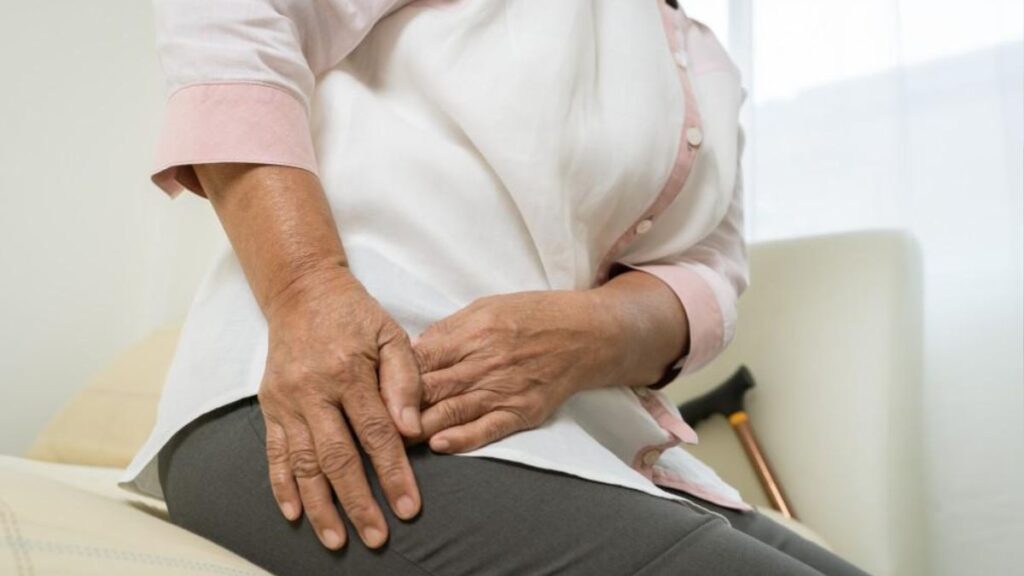
Hip pain can be unsettling, especially when it starts interfering with daily routines. For some, it may begin as a mild ache after long walks or workouts, while for others, it strikes suddenly without warning. No matter how it starts, ongoing hip discomfort can make even simple tasks feel like a challenge.
Many people try to ignore the pain, hoping it will go away with rest or painkillers. But when hip pain lingers or worsens, it might be a sign of something more serious. Understanding what the pain means and when to seek medical advice can make a big difference in long term recovery.
While surgery such as a total hip replacement surgery may sometimes be necessary, not all hip pain leads to that. Recognizing warning signs early allows individuals to manage the problem before it escalates and helps them decide the right course of treatment.
Understanding the Common Causes of Hip Pain
Hip pain can develop for many reasons, from overuse injuries to age related changes in the joints. Knowing what causes the discomfort is the first step toward finding the right relief.
Inflammation and Overuse
One of the most frequent causes of hip pain is inflammation triggered by overuse. Activities like running, cycling, or even standing for long hours can strain the muscles and tendons around the hip joint. Over time, this strain can lead to a dull or aching discomfort in outer thigh or groin area. When inflammation sets in, it may feel sore or warm to the touch.
Ignoring this type of pain often makes it worse. Taking breaks between activities, using ice packs, or practicing gentle stretches can help reduce inflammation and support recovery. However, if pain keeps returning despite rest, it’s best to consult a doctor to rule out deeper joint concerns.
Arthritis and Age Related Changes
As people age, the cartilage in the hip joint naturally wears down. This can lead to osteoarthritis, a condition that causes stiffness, swelling, and pain during movement. The discomfort might start gradually and worsen over time, especially in the morning or after sitting for long periods.
Many individuals describe it as a grinding sensation when walking or standing. Although lifestyle changes, anti inflammatory medication, and physical therapy can help, persistent symptoms may require medical treatments to preserve joint health and quality of life.
Injuries from Falls or Accidents
Accidents, sports injuries, or sudden falls can lead to hip fractures or sprains. These injuries are more common in older adults, particularly those with weaker bones. Hip fractures cause immediate and intense pain, making it difficult or impossible to bear weight on one leg. Even a minor slip that results in lingering soreness should not be ignored.
A medical evaluation and imaging tests can determine whether there is underlying damage. Early diagnosis helps prevent complications like joint stiffness, muscle weakness, or improper healing.
When to Take Hip Pain Seriously
It’s not always easy to know if hip pain signals a temporary strain or a more significant problem. Still, paying attention to what the body is saying can prevent further discomfort or worsening injuries.
Persistent or Worsening Pain
If pain continues for weeks or grows stronger despite rest or home care, it’s time to see a doctor. Prolonged pain could mean that the joint or surrounding tissues are gradually deteriorating. When pain starts affecting sleep, mobility, or daily comfort, professional assessment becomes essential for preventing long term damage.
Doctors can perform physical exams and imaging to find the source of pain and recommend an appropriate treatment plan. Early attention ensures that minor inflammation or joint strain doesn’t turn into chronic joint problems.
Difficulty Walking or Standing
When simple movements like climbing stairs or standing from a chair cause pain or require effort, the hip joint might be facing structural problems. This limitation in movement could suggest underlying arthritis, cartilage loss, or even bone damage. Over time, limited mobility can weaken nearby muscles, leading to further instability and discomfort.
Physiotherapy, low impact exercises, or supportive devices can sometimes restore mobility. But if these measures fail to bring improvement, more advanced interventions might be needed to restore function and comfort.
Recognizing When It’s More Than Just Pain
Some forms of hip pain go beyond soreness. They may signal a condition that needs prompt attention to prevent lasting consequences.
Pain That Spreads or Feels Sharp
Pain that radiates down the leg, feels sharp, or causes a burning sensation might involve nerve compression or joint issues. This type of pain often worsens with movement and may not improve with rest alone. Managing this kind of discomfort early helps prevent further complications or nerve irritation.
A healthcare professional can identify whether it’s coming from the hip joint itself or the lower back, which sometimes mimics hip pain. Identifying the true source ensures that treatment targets the real problem.
Swelling, Redness, or Fever
If hip pain comes with swelling, warmth, or redness around the joint, it can point to infection or significant inflammation within the joint. Fever or sudden pain after illness should never be ignored, as these symptoms can indicate an urgent medical condition.
Seeking immediate care helps doctors quickly diagnose and manage potential infections, which can worsen without prompt treatment. Quick treatment often brings faster recovery and prevents joint damage.
The Right Time to Seek Help
Hip pain should never be dismissed as a normal part of aging or activity. When discomfort interferes with routine activities or persists despite self care, professional evaluation can bring much needed clarity. Listening to the body’s signals and seeking help early offers the best chance for effective management and long term joint health.
Medical professionals can recommend non surgical treatments such as physical therapy, lifestyle modifications, or targeted injections before considering surgery. However, if these options no longer provide relief, surgical solutions might be discussed to restore comfort and mobility.
Recovering from hip pain is not just about managing symptoms but understanding the underlying cause and supporting proper healing. With the right care and attention, many people regain their ability to move freely and live comfortably without constant pain.