Embarking on the journey of wildfowl carving Raleigh NC opens up a world where artistry meets nature. This guide aims to equip beginners with the foundational knowledge and resources to start crafting lifelike bird sculptures. For those interested in hands-on learning, Vic Kirkman Originals offers comprehensive wildfowl carving classes in Raleigh, NC. With over 30 years of experience, Vic Kirkman provides expert instruction in the art of wildfowl carving, serving the Raleigh, NC area.
Essential Tools and Materials
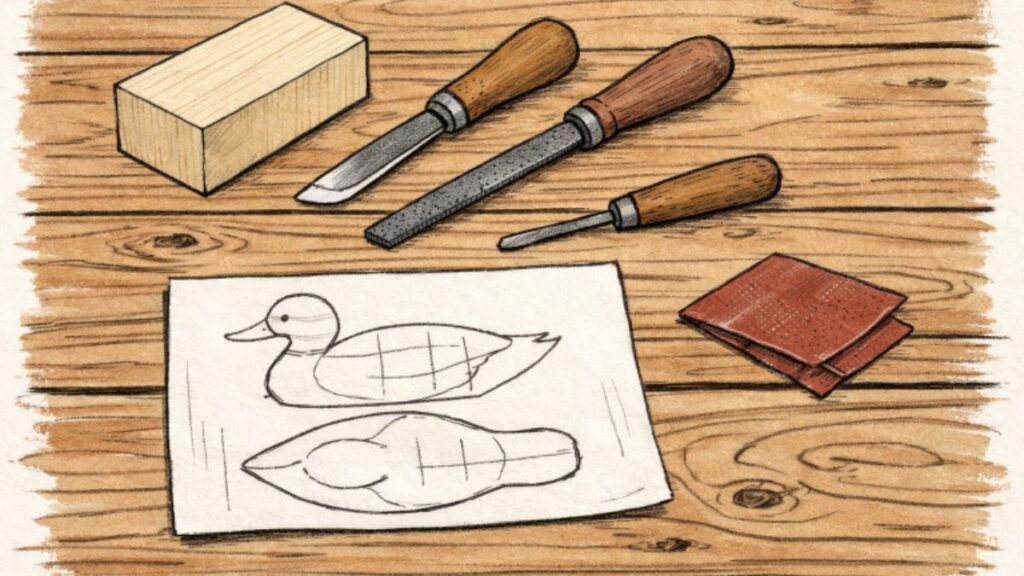
Starting with the right tools is crucial. A basic toolkit should include carving knives, chisels, wood rasps, and sandpaper. For beginners, investing in a starter kit that includes pre-cut blanks can be beneficial, allowing focus on developing carving skills without the need for advanced equipment.
As you become more advanced in your crafting, you may want to explore specialized carving tools such as rotary tools, micro-motor carvers, or specialized gouges designed for adding fine detail to feathers and beaks. It is important to keep all your tools sharp, as dull tools can make the carving process more difficult and increase the risk of accidents. Many beginner carvers neglect the importance of a sharpening stone or strop; both are essential for maintaining precision and safety. When storing your tools, keep them dry and organized in a dedicated toolbox or roll pouch to prevent nicks and rust.
Choosing the Right Wood
The choice of wood significantly impacts the carving process and the final piece’s appearance. Softwoods like basswood and tupelo are recommended for their ease of carving and their minimal grain, which reduces the likelihood of splintering. Always consider the wood grain direction to prevent cracking and ensure a smoother carving experience.
In addition to basswood and tupelo, butternut is another popular choice among wildfowl carvers. Its soft texture and attractive color make it well-suited for decorative carvings, though it may be harder to find than basswood. As you advance, you may try harder woods like walnut or cherry; these offer beautiful finishes but can be more demanding to shape, especially for intricate work. Responsible sourcing should be practiced, looking for sustainably harvested wood or working with local sawmills to minimize your environmental impact.
Utilizing Patterns and Guidelines
Patterns serve as blueprints, guiding carvers in shaping accurate bird forms. Beginners can find a variety of patterns tailored to different skill levels. Transferring these patterns onto wood with methods like carbon paper helps outline the rough shape, which can then be refined during the carving process.
Many resources offer free or purchasable wildfowl carving patterns, including scaled templates for common birds such as ducks, songbirds, and raptors. It’s helpful to supplement these templates with reference photos to better understand anatomical proportions and feather structure. Keeping a sketchbook of your own observations and ideas can be invaluable as you progress; custom patterns allow for more unique and personalized pieces. For beginners, starting with side-profile and top-view patterns helps in shaping the block, while adding detail drawings for wings, tails, and heads as your skills grow.
Finishing Techniques
Finishing brings your carving to life. Start by meticulously sanding the piece to smooth out any rough areas. Applying a sealant protects the wood and enhances durability. Painting adds realism; using matte paints and layering colors can achieve lifelike results. Incorporating glass or acrylic eyes and adding details like feather textures can further enhance the realism of your carving.
After the initial sanding, consider using wood burners for texturing fine feather details. Wood burning can add both dimension and subtle shading effects. When painting, many wildfowl carvers use thin washes of acrylic paint, allowing the wood grain to show through and adding depth. Reference high-resolution bird photos to replicate natural coloration and feather groupings. Adding a clear matte finish once the paint is dry will protect your work and provide a natural sheen, while a glossy finish can mimic wet feathers for waterfowl. Mounting your finished bird on a base made of driftwood, rocks, or custom pedestals further showcases your artistry and adds a professional touch.
Joining Carving Communities
Connecting with fellow carvers can accelerate your learning curve. Online forums, social media groups, and regional organizations offer platforms to share progress, seek advice, and gain inspiration. Engaging with communities provides valuable feedback and fosters camaraderie among carvers.
Local carving clubs often offer workshops, demonstrations, and opportunities to meet artists in your area, some with decades of experience. These clubs frequently invite guest instructors and organize group carving sessions, making learning a collaborative and enjoyable process. By attending regional carving shows, you can see award-winning works up close and discover new techniques, tools, and materials. Popular forums and online groups often have beginner sections where novices are welcome and encouraged to post questions and seek feedback. These platforms also share updates about upcoming events, carving competitions, and even wood or tool sales that can benefit newcomers.
Participating in Competitions
Competitions offer opportunities to showcase your work and receive constructive feedback. Events like the British Decoy and Wildfowl Carvers Association’s annual British Championship highlight the artistry and craftsmanship in wildfowl carving. Participating in such events can motivate you to refine your skills and connect with experienced carvers.
Many shows host categories for all skill levels, from novice to master, providing a supportive environment for new carvers. Judging is often based on anatomical accuracy, creativity, technique, and finish. Receiving comments from seasoned judges is an invaluable learning experience, highlighting strengths and areas for improvement. Preparing for competitions also encourages you to set goals, stick to project timelines, and study your peers’ work. Even if you aren’t ready to enter, attending as a spectator exposes you to a range of carving styles and innovations in the field.
Continuous Learning
Improvement in wildfowl carving is an ongoing process. Subscribing to publications like Wildfowl Carving Magazine provides access to detailed demonstrations, patterns, and tips from experienced carvers. Regular practice, experimenting with different techniques, and seeking inspiration from nature and fellow artists contribute to continuous growth in this art form.
Consider attending advanced workshops and seminars to expand your repertoire, including classes on specific species, airbrushing techniques, or sculptural mounting. Many carvers find inspiration outdoors, birdwatching, or visiting natural history museums, which helps cultivate a keen eye for avian anatomy and movement. Field notes, sketches, and photographs from these outings can serve as vital references for your next project. As you gain confidence, sharing your process through blogs, social media, or teaching can deepen your own understanding while giving back to the carving community.
By laying a solid foundation and nurturing your curiosity, you set yourself up for a fulfilling and creative experience in wildfowl carving. Whether you carve for relaxation, competition, or tradition, the wildfowl carving community welcomes new members eager to learn and share their passion.