
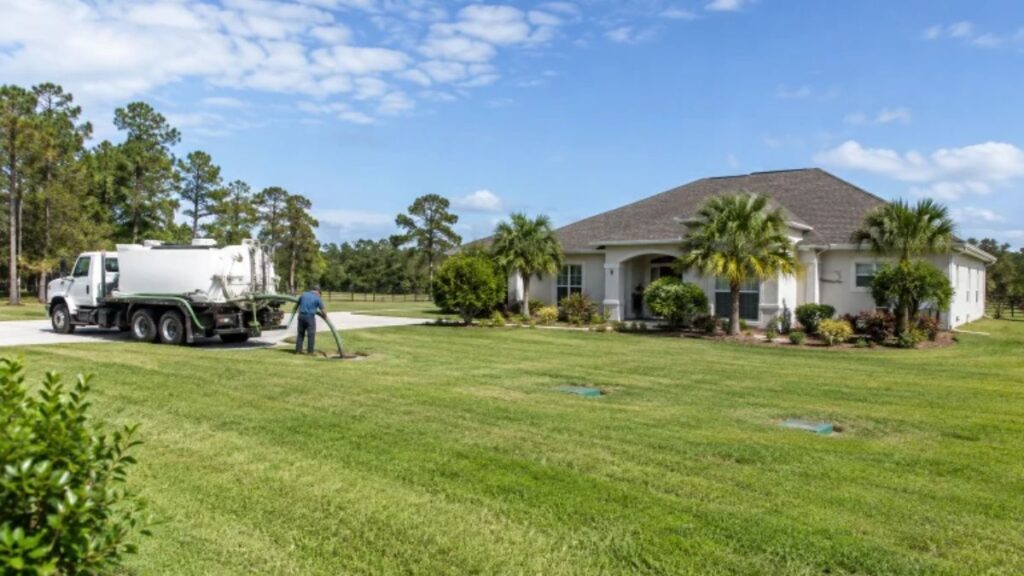
Septic problems are easier to manage when they are addressed before they become an emergency. Property owners who notice warning signs, have no recent maintenance record, or need help with an installation or permit can request septic tank services Orlando,, FL, through A & L Septic Products, Inc. to begin with a clearer assessment of the system and its needs. Waiting for a complete failure can turn a manageable maintenance issue into a disruptive plumbing backup or a drain field concern. A & L Septic Products, Inc. helps property owners evaluate the condition of their septic systems and determine whether the appropriate next step is pumping, inspection, maintenance, further investigation, drain field assistance, or support related to installation and permitting.
Why Request Septic Service Before a Failure?
A septic system can appear to be working normally while solids accumulate in the tank, water use overwhelms the system, or a blockage begins affecting wastewater flow. Scheduling service only in response to an emergency can leave little time to identify the actual cause of the problem or to protect surrounding parts of the system.
Request service when you notice any of the following signs:
- Sinks, tubs, toilets, or showers that drain slowly.
- Gurgling sounds in plumbing fixtures or repeated backups.
- Unpleasant odors near plumbing, the septic tank, or the drain field.
- Standing water, unusually wet soil, or unusually lush grass over the drain field area.
- Sewage appearing at the surface of the yard.
- Missing or uncertain pumping and inspection records.
These symptoms do not automatically mean the tank needs pumping. They can also point to a clog, a damaged component, excessive water entering the system, or a drain field issue. An evaluation through A & L Septic Products, Inc. helps avoid making assumptions about the required work.
What Can a Professional Septic Service Visit Include?
A useful septic service visit goes beyond removing tank contents. A & L Septic Products, Inc. can assess accessible parts of the system and help identify conditions that affect maintenance planning. Depending on the property and service request, the visit may include locating and uncovering access lids, reviewing water levels, checking for signs of clogs, and observing the tank’s visible structural condition.
What to Expect During an Evaluation
- Discussion of the property owner’s symptoms, maintenance history, and recent changes in water use or occupancy.
- Access to the septic tank for pumping, inspection, or condition review when appropriate.
- Consideration of whether the concern appears limited to the tank, plumbing line, drain field, or another system component.
- Guidance on practical next steps based on the observed conditions.
The U.S. Environmental Protection Agency advises that average household septic systems should generally be inspected at least every three years. In comparison, household tanks are commonly pumped every three to five years. Those intervals are not universal, because household size, wastewater volume, tank size, and solids levels all affect service needs. Property owners can use the EPA’s guidance on inspecting and pumping septic systems as a helpful baseline when discussing maintenance with a qualified provider.
How to Help Protect the Drain Field
The drain field is the part of a septic system that receives wastewater after it leaves the tank and allows treatment to continue in the soil. It can be affected when solids move out of an overfull tank, when excess water enters the system too quickly, or when soil and pipes are damaged by vehicles or heavy equipment. A & L Septic Products, Inc. can assist when drainage concerns arise, but daily property habits also matter. Orlando property owners can help reduce unnecessary stress on their systems by following a few practical steps:
- Repair leaking toilets, faucets, and plumbing fixtures as soon as practical.
- Spread laundry and other high-water-use activities throughout the week.
- Keep cars, trucks, equipment, and construction materials off the drain field.
- Direct roof drainage and other excess surface water away from the drain field area.
- Flush only human waste and toilet paper, not wipes, paper towels, grease, chemicals, or medications.
- Keep records of pumping, inspections, repairs, and permit-related documents.
When Should You Request Septic Tank Pumping?
Septic tank pumping may be appropriate when the system is due for scheduled maintenance, when the property has no reliable service history, or when an inspection indicates that solids have reached a level that warrants removal. It may also be part of the response to slow drains and backups, although pumping alone may not resolve every underlying issue.
Consider requesting help from A & L Septic Products, Inc. in these situations:
- No recent records: An inspection can help establish the system’s current condition and maintenance needs.
- Recurring plumbing problems: A review can help distinguish between a tank issue, a line blockage, or a drain field concern.
- Real estate activity: Buyers and sellers may need a better understanding of the system’s service history and visible condition.
- Commercial wastewater needs: Properties with grease traps or different usage patterns may require a tailored maintenance approach.
- Installation or modification questions: Professional assistance can help property owners understand the work involved and prepare for permitting requirements.
Septic Permitting and Installation Support in Orlando
Permitting can be an important part of septic installation, replacement, modification, and some repair projects. Requirements can differ based on the property, the type of system, the scope of work, and the responsible local authority. A & L Septic Products, Inc. offers permitting assistance and installation support to help clients navigate septic-related project needs. Proper management matters throughout Florida. The state’s onsite sewage program reports that septic systems serve approximately 30 percent of Florida’s population and that an estimated 2.6 million systems operate statewide. Property owners should confirm current requirements with the appropriate county authority and work with qualified professionals before beginning permitted septic work.
How to Prepare a Septic Service Request
Providing complete information can make the initial service conversation more productive. Before contacting A & L Septic Products, Inc., gather the property address, your preferred contact details, and a simple description of the issue. Note whether the property is residential or commercial, when the system was last pumped or inspected, and whether there have been recent changes in occupancy, landscaping, additions, or heavy vehicle traffic.
If available, have prior inspection reports, system diagrams, permits, and maintenance records ready to share. Explain whether the concern involves odors, slow drains, a backup, standing water, routine pumping, a grease trap, a drain field, installation planning, or permitting. This information helps create a more focused plan for the visit.
Choose a Clear Next Step for Your Septic System
Septic service is most valuable when it gives a property owner a better understanding of the system’s condition and a practical path forward. A & L Septic Products, Inc. provides a central resource for Orlando-area property owners who need septic maintenance, pumping, inspections, drain field assistance, grease trap services, installation support, or help navigating septic permitting questions.
Conclusion
Septic systems are easier to maintain when warning signs are addressed early, and routine service is not overlooked. Orlando property owners can help prevent unexpected problems by monitoring slow drains, unusual odors, wet areas near the drain field, and recurring backups. A & L Septic Products, Inc. offers services for pumping, inspections, maintenance, drain field concerns, grease traps, installation, and permitting support. Before scheduling work, gather any available maintenance records and explain the symptoms you have noticed so the contractor can better assess your needs. Regular inspections, responsible water use, and proper waste disposal can also help protect the system over time. By taking a proactive approach and seeking professional guidance when needed, homeowners and commercial property managers can make more informed maintenance decisions and reduce the risk of disruptive septic problems.