
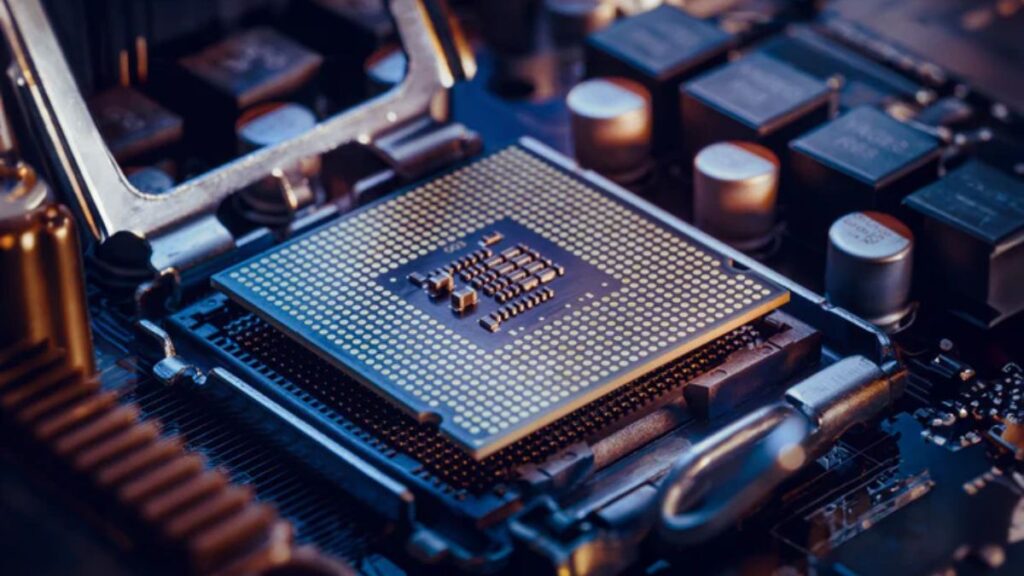
Ten years ago, “next-gen VFX” meant sharper renders and slightly more convincing water simulations. Now it means procedural worlds built from scratch, destruction sims with millions of individual pieces, and pipelines that lean on machine learning just to clean up motion capture data. None of that runs on the workstations studios were using even five years back. The bar keeps moving, and the hardware underneath the work has had to move with it fast.
That’s really what high-performance computing means in this context. Not a buzzword, just the actual processing power required to keep up with what artists are being asked to build.
Why VFX Pipelines Outgrew Ordinary Hardware
Modern VFX work stacks complexity in layers. A single shot might involve procedural geometry, particle-based destruction, fluid simulation, and a compositing pass that’s pulling in dozens of render layers, and that’s before anyone touches color. Each layer adds computational weight, and studios running that stack on general-purpose machines feel it immediately.
Procedural tools especially have changed the math here. Building geometry and simulations from rules instead of hand-modeling every asset saves enormous creative time, but it shifts the real cost onto processing power. The computer is doing more of the heavy lifting than it used to, which means it needs to actually be capable of that lifting.
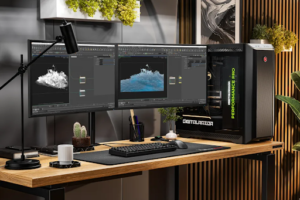
This is exactly why so many studios have moved toward workstations built around procedural VFX tools specifically. A SideFX Houdini Standard Edition workstation is configured for precisely this kind of load: the memory bandwidth and processing power that Houdini’s procedural and simulation tools genuinely need to run without artists sitting around waiting on a spinning icon.
What “Next-Generation” Actually Demands From Hardware
The phrase gets thrown around a lot, but it points to a handful of very concrete requirements.
- Simulation-heavy workflows. Destruction, fluids, cloth, and crowd systems all lean on processing power that scales with complexity, not flat requirements that stay the same regardless of scene size.
- Procedural generation. Building environments and assets from rules instead of manual modeling front-loads the computational cost onto the machine instead of the artist’s hours.
- AI-assisted tools. Motion capture cleanup, upscaling, and generative texture work are becoming standard parts of pipelines, and all of it needs real processing muscle behind it.
- Massive scene complexity. Modern shots routinely carry more geometry, more textures, and more simulation layers than entire films did a decade ago.
Put those four together and it’s obvious why yesterday’s workstation specs don’t cut it anymore.
How Underpowered Systems Hold Back Creative Work
When hardware can’t keep pace, it doesn’t just slow a studio down it quietly limits what artists are willing to even attempt.
Simplified Simulations
Artists working on slow systems often scale back simulation complexity just to get something that finishes in a reasonable time. Fewer destruction fragments, lower particle counts, coarser fluid resolution. The shot still works, technically, but it’s not the shot that was originally imagined.
Longer Iteration Cycles
Simulation and procedural work depend on trying something, watching it play out, and adjusting. When each cycle takes twenty minutes instead of two, artists get far fewer shots at getting it right before a deadline forces them to lock it in.
Compounding Delays Across a Pipeline
VFX work rarely happens in isolation. One artist’s slow render holds up the next stage of the pipeline, and that delay compounds across a project with dozens of shots moving through the same bottleneck.
Scaling for Render-Heavy Final Output
Simulation and lookdev are only half the pipeline; final rendering is where a lot of studios feel the real crunch, especially as physically based renderers like Karma have become standard for high-fidelity final frames. That stage needs a different kind of horsepower than the simulation stage does, with rendering throughput that can chew through complex scenes without stalling a project’s final push.
For studios working in that render-heavy final stage, a SideFX Houdini Karma AMD Ryzen workstation is built specifically around that need, pairing strong core performance with the throughput Karma rendering demands to hit final delivery without the last-minute scramble.
Where Next-Gen VFX Is Headed
The trajectory here isn’t slowing down. Real-time engines are creeping further into traditional VFX pipelines, AI tools are taking on more of the technical grunt work, and audiences keep expecting more convincing worlds on screen every year. Every one of those trends adds more computational load, not less.
Studios that invest in the right processing power now aren’t just solving today’s bottlenecks. They’re setting themselves up to actually take on the kind of work that’s coming next, instead of scrambling to catch up once it arrives.
Final Thoughts
High-performance computing has become the quiet backbone of next-generation VFX work. It decides how ambitious a simulation can be, how many iterations an artist gets before a deadline, and how far a studio’s creative vision can actually travel from concept to final frame.
Studios that treat their hardware as part of the creative process, not just infrastructure sitting in the background, tend to produce more ambitious work and hit deadlines with less scrambling. That’s the thinking behind Cloud Ninjas, which builds workstations around the real demands of modern VFX pipelines instead of stretching general-purpose machines to cover work they were never built for.