
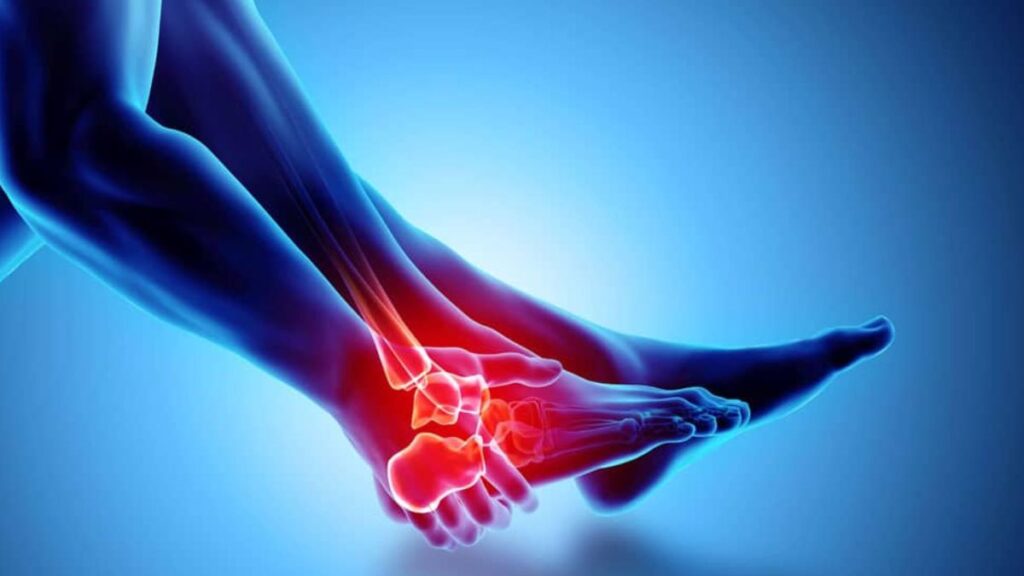
Living with an ankle that hurts every time the foot hits the ground can feel exhausting. Even simple things like getting out of bed, walking to the bus stop, or playing with children can start to feel like a chore instead of a normal part of the day. When the smooth joint surfaces in the ankle are damaged, people often describe a mix of aching, catching, or a sharp stab that makes them immediately slow down.
What makes this especially frustrating is that cartilage damage is not always visible on the outside. Someone can look fine, yet every step feels like there is friction inside the joint. That disconnect between how the ankle looks and how it feels can be confusing and even isolating. It is natural to wonder whether things will keep getting worse and what can be done before it reaches the point of severe arthritis.
The encouraging part is that there are now many ways to manage and, in some cases, help repair damaged ankle joint surfaces. These range from simple activity changes and physical therapy to advanced surgical techniques that focus on ankle cartilage restoration using minimally invasive procedures and biologic treatments. The right option depends on how much damage there is, where it is located in the ankle, and what the person hopes to get back to in daily life.
Understanding Damage to Ankle Joint Surfaces
How ankle cartilage gets injured
The ankle is a small joint that carries a large share of the body’s weight with every step, jump, or turn. Each bone in the ankle is coated with smooth cartilage that allows the joint to move quietly and easily. When this cartilage is chipped, torn, or worn down, the underlying bone can be exposed, which leads to pain, swelling, and stiffness.
Damage often starts with a clear event, like a bad ankle sprain, a twist on uneven ground, or a sports related injury. In some people, a piece of cartilage and bone can break off inside the joint, which may cause locking or a sensation of movement within the joint. Others develop more gradual wear and tear from years of repetitive impact or alignment issues that place uneven stress on the ankle.
Symptoms that bring people to seek help
Many people first notice a deep ache that flares up after activity and improves with rest. Over time, it may take less activity to trigger symptoms, and the ankle can start to feel stiff in the morning or after sitting for a while. Some describe a catching or grinding feeling, especially when walking downhill or changing direction suddenly.
Swelling around the joint is also common, particularly after a busy day. Shoes can feel tighter by the evening, and the ankle may look swollen on one side. It is also common to feel less confident on that foot, which can lead to subtle changes in the way a person walks. These changes may protect the sore ankle in the short term but can place added strain on other joints like the knee, hip, or lower back.
Why early assessment matters
Once cartilage is damaged, it does not heal like skin or muscle. It has a limited blood supply, which means the body’s usual repair processes do not reach it effectively. Without attention, a small area of damage can slowly spread, leading to more symptoms and greater joint wear over time.
Early assessment with a physical examination and imaging can help identify whether the problem is a small, localized defect or part of a broader joint condition. When caught early, there may be more options to preserve the natural joint and delay or avoid more extensive surgery. A clear diagnosis also makes it easier to set realistic expectations and choose treatments that match the person’s lifestyle and goals.
Non surgical and joint preserving options
Lifestyle changes, therapy, and injections
For many people, the first step is not surgery but a careful plan to reduce stress on the ankle while keeping the rest of the body active. This often involves adjusting activities, for example replacing high impact exercises like running or jumping for lower impact options such as cycling, swimming, or using an elliptical machine. Supportive footwear and customized insoles can help share pressure more evenly across the joint.
Physical therapy plays a central role in joint preservation. A therapist can guide exercises that gently improve ankle motion, strengthen the muscles around the joint, and enhance balance and control. Strong, well coordinated muscles act as shock absorbers and can help reduce stress on the damaged joint surfaces.. Therapy can also address stiffness in the calf or weakness in the hips that might be adding extra strain to the ankle without being obvious.
Targeted injections may be used to help control pain and inflammation. These can include corticosteroids to calm a flare of swelling, or other injectable options designed to improve joint lubrication and support function. While injections do not fix structural damage, they can create a window of relief that makes it easier to stay active and continue rehabilitation. The choice and timing of injections are usually tailored to the severity of symptoms and the overall treatment plan.
Regenerative and minimally invasive procedures
When symptoms continue despite careful non surgical care, doctors may discuss procedures that aim to stimulate new cartilage growth or smooth the damaged area. Minimally invasive surgery using a small camera can be used to remove loose fragments, smooth damaged cartilage surfaces, and assess the full extent of damage directly inside the joint. This can sometimes provide meaningful relief, especially when mechanical irritation is a major driver of pain.
In selected cases, techniques that encourage the body to form repair tissue may be considered. These can involve creating small channels in the bone under the damaged area to bring healing cells into the defect. For larger or deeper lesions, more advanced methods may be used, such as placing a graft of bone and cartilage into the defect or using biologic materials and cell based approaches that support more durable repair. These options are often best suited for people with focal areas of damage rather than advanced or widespread arthritis.
Recovery from these procedures usually involves a period of protected weight bearing, guided physical therapy, and a gradual return to regular activity. Patience is important, because cartilage and bone take time to mature and adapt to regular load. The goal is to build long term joint health rather than return too quickly to high impact activities, which could risk damaging the repair.
Advanced options and moving forward
When joint surfaces are extensively damaged and pain interferes with daily life despite other treatments, more definitive surgical options may be discussed. In some cases, fusing the ankle joint can remove pain by stopping motion at the worn surfaces, trading flexibility for improved stability. In others, replacing the damaged joint surfaces with an artificial implant can help preserve movement while reducing pain. Each approach has different advantages and possible limitations, and the decision is often shaped by age, activity level, bone quality, and personal priorities.
These larger surgeries are not the right choice for everyone, and they are usually considered after more conservative options have been tried or when imaging shows very advanced changes. For some patients, a combination of joint preserving procedures and thoughtful lifestyle adjustments can provide enough relief to avoid or delay major surgery. For others, especially those who have struggled for years, a well planned fusion or replacement can offer a meaningful improvement in daily function, and participating in family or community life with less pain.
Ultimately, choosing a treatment path when ankle joint surfaces are damaged is a meaningful improvement in daily function. It helps to work closely with a specialist who listens, explains options in clear language, and aligns treatment with the patient’s goals and lifestyle. With the right support, people can move from feeling stuck and unsure toward a plan that provides clarity, confidence, and a practical way to protect their ankle for the long term.