
Introduction
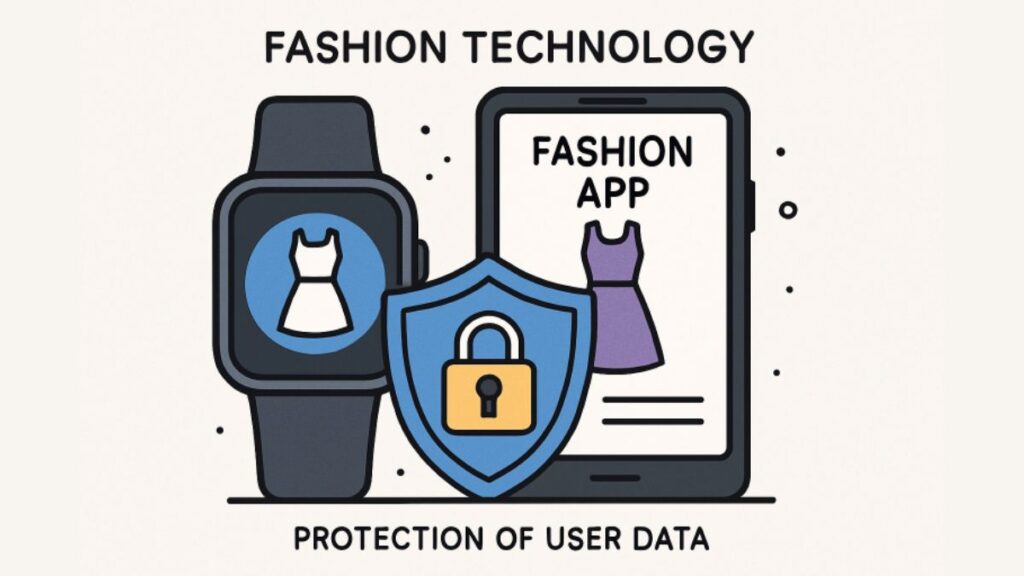
The intersection of fashion and technology is changing how we shop, dress, and interact with brands. As digital innovation drives everything from AI-powered recommendations to virtual fitting rooms, concerns about data privacy have become more relevant than ever. In this increasingly connected environment, safeguarding personal data is central to the user experience. Not only are shoppers seeking creative inspiration, but they also demand reassurance that their information will be handled responsibly as they turn to online styling services and digital platforms for personalized advice.
While benefits like improved convenience and customization abound, the reliance on tech in fashion raises critical questions. Users want cutting-edge solutions that help curate style, but not at the expense of their privacy. As brands collect more personal and behavioral data, from size and fit preferences to purchase history, the conversation about who accesses this data and for what purpose is growing louder.
The Rise of Wearable Technology in Fashion
Wearable devices have quickly become a staple in modern life. From smartwatches that track health stats to fitness bands that monitor daily activity, these gadgets seamlessly blend utility with current fashion trends. According to a 2024 survey, approximately 44.5% of U.S. consumers owned wearable devices, with ownership highest among younger adults. The integration of these technologies has made monitoring health and wellness more accessible than ever, yet it simultaneously introduces new challenges around the stewardship of sensitive personal data.
This widespread adoption signals a broader reliance on technology within our daily routines. It’s not just about gadgets for the sake of novelty; it’s about enhancing self-awareness, productivity, and even personal style. However, as these tools become more sophisticated, they collect an increasing volume of personal information, raising the stakes for data privacy management.
Consumer Concerns Over Data Privacy
Despite the convenience offered by fashion tech, a significant proportion of users remain cautious about the data they share. Many worry about where their health and activity data ends up, and who has access to it. Global surveys report that three out of four users are concerned about data security on their wearable devices. This concern stems from the deeply personal nature of the data involved, which may include health metrics, purchasing behavior, and real-time location tracking. The growing fear is that if not handled carefully, this information could be exploited for unauthorized marketing or even more malicious purposes.
AI Integration and Personal Data
Artificial intelligence is rapidly reshaping the fashion industry, particularly in product recommendations, trend forecasting, and virtual try-ons. These AI-driven systems rely on collecting and analyzing vast amounts of user data in order to deliver highly personalized experiences. While these advances are undeniably innovative, they also raise questions about user consent and data transparency. Shoppers enjoy tailored interactions but hesitate when asked to furnish deeper personal details that might be used beyond their intended purposes. The industry must therefore find a careful balance between offering bespoke services and ensuring user data remains secure.
Regulatory Landscape and Compliance
The rise in privacy concerns has prompted policymakers to step in with new regulations and guidelines to protect consumers. In the United States, the Federal Trade Commission (FTC) has begun to establish more rigorous standards and fines for entities that fail to appropriately safeguard health or biometric data. Globally, regulations such as Europe’s General Data Protection Regulation (GDPR) require companies to secure explicit user consent before handling sensitive information and to provide mechanisms for users to control their data.
Ethical Considerations in Data Usage
While compliance with the law is essential, ethical considerations often go further. Fashion tech companies are increasingly expected to weigh the long-term implications of their data practices. For instance, the potential for continuous user surveillance or unintentional algorithmic bias has sparked discussions about the ethics of digital fashion. Responsible companies must foster open communication about their data practices and implement protocols that protect against misuse and discrimination. This builds not just regulatory compliance but also trust and loyalty among users.
Best Practices for Ensuring Data Privacy
To foster a more secure fashion tech landscape, companies can implement several actionable best practices:
- Use comprehensive encryption techniques to secure user information both in transit and at rest.
- Draft accessible privacy policies, ensuring that users can easily understand how their information is collected, processed, and stored.
- Empower consumers with controls to manage, delete, or export their personal data at any point during their engagement with a service.
- Schedule regular internal audits and vulnerability tests to proactively identify and address potential security risks.
Final Thoughts
Fashion technology will continue to play an influential role in shaping how consumers discover, buy, and express their style. Yet, as these solutions become more advanced, the demand for robust data privacy practices will only intensify. By establishing clear policies, adopting best-in-class safeguards, and adhering to legal and ethical standards, companies can deliver innovative, personalized experiences while maintaining users’ trust and confidence. Ultimately, making privacy a priority is the key to sustainable success in the fast-evolving world of fashion tech.