
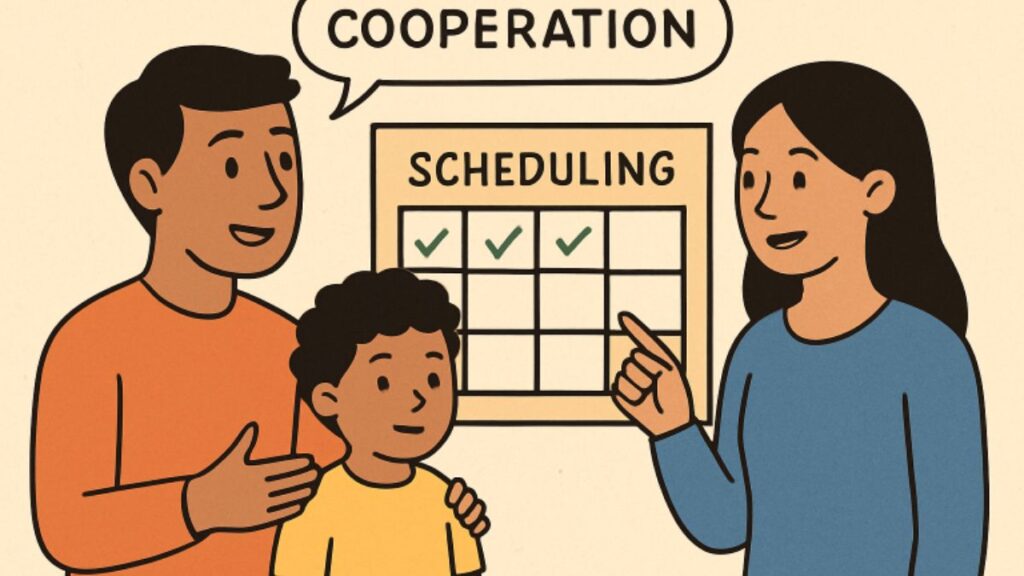
Navigating the end of a relationship is complicated, especially when children are involved. In New Hampshire, parenting plans are essential for ensuring stability and clear expectations for both parents and children. They play a vital role in shaping how families function after separation or divorce. For parents facing these changes, having a well-crafted agreement goes a long way toward promoting cooperation and minimizing stress for everyone. If you are feeling uncertain about where to start or how to protect your interests, New Hampshire divorce guidance can help you understand your options and rights throughout the process.
Parenting plans not only map out day-to-day routines but also aim to keep the focus on the children’s best interests. Properly understanding these plans ensures parents remain connected to their children’s lives while working together for their well-being. In New Hampshire, courts encourage parents to develop these agreements collaboratively whenever possible, turning a period of transition into an opportunity for stability and growth.
What Is a Parenting Plan?
A parenting plan is a detailed document that sets out how separated or divorced parents will share the responsibilities of raising their children. In New Hampshire, these plans address every aspect of a child’s life, from weekly routines and holiday visits to major decision-making and communication guidelines. By formalizing expectations in writing, parenting plans reduce conflict and provide the consistency that children need during family transitions.
Every family’s circumstances are unique, so these plans are customized to meet each family’s specific needs and priorities. The goal is to minimize ambiguity and foster collaboration between parents, resulting in a healthier environment for children.
Key Components of a Parenting Plan
A comprehensive parenting plan covers several fundamental elements that help avoid misunderstandings. Typical components include:
- Residential Schedule: Details on where the children will reside on weekdays, weekends, holidays, school vacations, and summer breaks.
- Transportation Arrangements: Provisions for pick-ups, drop-offs, and how children will move between homes.
- Decision-Making Authority: Guidelines for making important choices related to the children’s education, health care, religious practices, and extracurricular activities.
- Communication Protocols: Agreements about how and when parents will communicate with each other and with the children while they are in the other household.
- Conflict Resolution: Steps parents will take to resolve disagreements about the plan.
How Parenting Plans Are Created in New Hampshire
Parents in New Hampshire are encouraged to create their own parenting plans and submit them to the court for approval. When parents cannot reach an agreement, the court may order mediation or ultimately decide the terms for them. The process prioritizes the child’s well-being and encourages parents to collaborate and consider their child’s developmental and emotional needs.
The court reviews all submitted plans to ensure they align with the child’s best interests, a central principle of New Hampshire family law. Judges may consider the child’s age, the historical caregiving roles of each parent, any evidence of domestic violence, and the ability of both parents to cooperate. If parents disagree, the judge may hold hearings and gather input from professionals, such as guardians ad litem or child psychologists.
Legal Considerations in Parenting Plans
New Hampshire law requires a written parenting plan in every divorce or legal separation involving minor children. The plan becomes a binding court order once approved by a judge. Failing to follow the established plan can have legal consequences, including modifications to custody or visitation and enforcement actions.
In some cases, the court may incorporate protective measures, address substance abuse concerns, or specify supervised visitation if necessary to ensure the child’s safety. Both parents retain the right to request enforcement of the plan if one party fails to fulfill their obligations, and any changes must be approved by the court to remain legally valid.
Modifying a Parenting Plan
Life circumstances change. When a parenting plan no longer serves the children’s best interests, parents can petition the court for modification. Common reasons include job relocation, changes in a child’s needs, or evolving parental responsibilities. In New Hampshire, courts require a significant change in circumstances and evidence that any adjustments are beneficial for the child.
Both parties are encouraged to negotiate any changes together before seeking court intervention. If agreement is not possible, judges will consider the facts and may involve child advocates to help decide the most appropriate new arrangement.
Common Challenges and Solutions
Even the best-written plans may face challenges. Misunderstandings, communication barriers, or conflicting schedules can cause friction. When difficulties arise, parents may benefit from using shared calendars, co-parenting apps, or family mediation services to help resolve conflicts and maintain cooperation.
Remaining flexible and child-focused is crucial. Adjustments to routines, adapting to life changes, and keeping the lines of communication open can help both parents and children thrive after divorce or separation.
Resources for Parents
Effective co-parenting relies on support networks and professional guidance. New Hampshire families can turn to family law attorneys, counselors, and organizations that help parents navigate these transitions. National organizations like Parents Magazine offer helpful co-parenting tips and emotional support options as well.
Conclusion
Parenting plans play a crucial role in helping families transition through separation or divorce while maintaining stability for children. By clearly outlining responsibilities, schedules, and communication expectations, these plans reduce conflict and support effective co-parenting. When thoughtfully created and regularly reviewed as circumstances change, parenting plans can provide the structure and cooperation needed to keep the child’s best interests at the center of every decision.