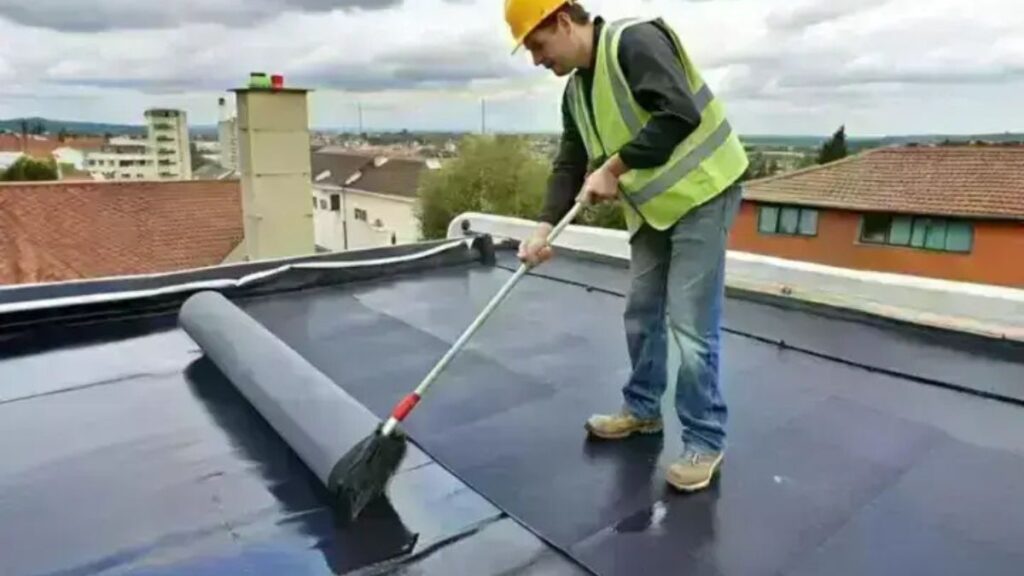
Water management and structural protection are critical elements in any construction or renovation project, especially in areas exposed to moisture such as bathrooms, kitchens, balconies, and basements. One of the most effective ways to protect surfaces and improve the durability of tiled or finished areas is by using the right type of membrane. Construction membranes serve multiple purposes, from waterproofing and crack isolation to heating integration and drainage management.
Understanding the different types of membranes and how they are used can help contractors and homeowners choose the right solution for each project. With modern building materials, membranes have become an essential component for ensuring long-term performance, preventing water damage, and improving the overall stability of flooring and wall systems.
Why Membranes Are Important in Construction and Renovation
Membranes act as protective layers between structural surfaces and finishing materials such as tile, stone, or concrete. Their primary role is to control moisture, movement, and stress within a building structure.
In areas exposed to water, such as showers or wet rooms, membranes prevent moisture from penetrating into subfloors or wall assemblies. Without proper protection, water can lead to mold growth, structural damage, and costly repairs.
Membranes also improve the performance of tile installations by reducing stress between layers of materials. Buildings naturally expand and contract due to temperature changes, humidity, and structural movement. Membranes help absorb this movement, preventing cracks and failures in tile or grout.
Today, contractors can choose from several specialized membrane types designed for specific applications. Understanding these options helps ensure the right solution is used for each construction challenge.
Heating Membranes
Heating membranes are designed to integrate electric floor heating systems beneath tile or stone surfaces. These membranes provide channels or structures that hold heating cables in place, ensuring even spacing and consistent heat distribution.
One of the main benefits of heating membranes is their ability to simplify the installation of radiant floor heating. Instead of manually securing cables to the subfloor, installers can place the cables directly into the membrane’s layout system.
This approach offers several advantages:
- Faster and more organized installation
- Reduced risk of damaging heating cables
- Even heat distribution across the floor
- Improved energy efficiency
Heating membranes are commonly used in bathrooms, kitchens, and entryways where warm floors add comfort and improve the overall user experience. They are particularly popular in colder climates where radiant heating provides a practical and energy-efficient solution.
Waterproofing Membranes
Waterproofing membranes are one of the most widely used membrane types in construction. Their primary purpose is to create a barrier that prevents water from penetrating walls, floors, and structural components.
These membranes are essential in areas that are regularly exposed to moisture, including:
- Shower walls and floors
- Bathroom floors
- Laundry rooms
- Balconies and terraces
- Commercial kitchens
By creating a waterproof barrier beneath tile installations, waterproofing membranes protect the building structure from water damage. This significantly extends the lifespan of both the finish materials and the underlying construction.
Modern waterproofing systems are designed to work seamlessly with thin-set mortar and tile adhesives, making them a reliable component in professional tile installations.
Uncoupling Membranes
Uncoupling membranes play a critical role in preventing cracks in tile and stone flooring. They act as a separation layer between the tile surface and the substrate below.
Subfloors can shift or expand over time due to structural movement, temperature changes, or material settling. When tiles are installed directly onto a moving surface, stress can transfer into the tile layer and cause cracks.
Uncoupling membranes absorb and distribute this stress, allowing the tile surface to remain stable even if the substrate moves slightly.
These membranes are commonly used over:
- Concrete subfloors
- Plywood subfloors
- Renovated surfaces with minor movement
- Large-format tile installations
By reducing stress transfer, uncoupling membranes improve the durability and reliability of tiled floors.
Drainage Membranes
Drainage membranes are designed to manage water that accumulates beneath surface materials. Instead of trapping moisture, these membranes create channels that allow water to flow away from the structure.
They are commonly used in exterior applications such as:
- Balconies
- Rooftop terraces
- Foundation walls
- Outdoor tiled surfaces
Drainage membranes protect the underlying structure by preventing standing water from accumulating beneath flooring systems. This reduces the risk of freeze-thaw damage, structural deterioration, and mold development.
In many cases, drainage membranes are combined with waterproofing systems to create a complete moisture management solution.
Liquid Membranes
Liquid membranes provide a flexible and highly adaptable waterproofing solution. Unlike sheet membranes, liquid membranes are applied using brushes, rollers, or sprayers.
Once applied, the liquid coating cures to form a seamless waterproof barrier that conforms to the shape of the surface. This makes liquid membranes particularly useful for areas with complex geometries, corners, or irregular surfaces.
Liquid membranes are often used for:
- Shower walls and floors
- Bathroom renovations
- Small waterproofing repairs
- Areas with difficult angles or penetrations
Because they create a continuous coating without seams, liquid membranes reduce the risk of leaks when applied correctly.
Protection Membranes
Protection membranes are designed to shield waterproofing layers from physical damage during installation or construction. They act as a protective buffer between delicate membranes and heavy materials such as tile, mortar, or construction equipment.
Without protection layers, waterproof membranes may become punctured or damaged during the building process, compromising their effectiveness.
Protection membranes are commonly used in large construction projects where multiple trades are working on the same surfaces. They help preserve the integrity of waterproofing systems and ensure that the protective layers remain intact until the final finishes are installed.
Selecting the appropriate membrane for the job can significantly improve installation quality and long-term performance.
Choosing the Right Membrane for Your Project
Each type of membrane serves a different purpose, and selecting the right one depends on the conditions of the project. Factors such as moisture exposure, structural movement, heating requirements, and outdoor conditions should all be considered during planning.
For example:
- Waterproofing membranes are essential in wet areas.
- Uncoupling membranes are ideal for preventing tile cracking.
- Heating membranes improve comfort in tiled flooring.
- Drainage membranes manage water in outdoor installations.
- Liquid membranes offer flexibility for complex spaces.
- Protection membranes safeguard waterproofing systems during construction.
Understanding these differences allows installers to choose materials that provide long-term durability and reliable performance.
Conclusion
Modern construction and renovation projects rely heavily on advanced materials that protect structures from moisture, movement, and environmental stress. Membranes have become a fundamental part of these systems, offering solutions that improve durability, efficiency, and overall installation quality.
From radiant heating support to waterproof barriers and structural protection, each type of membrane plays a specific role in maintaining the integrity of floors, walls, and outdoor surfaces. By selecting the right membrane for each application, contractors and homeowners can create installations that remain strong, stable, and protected for years to come.