
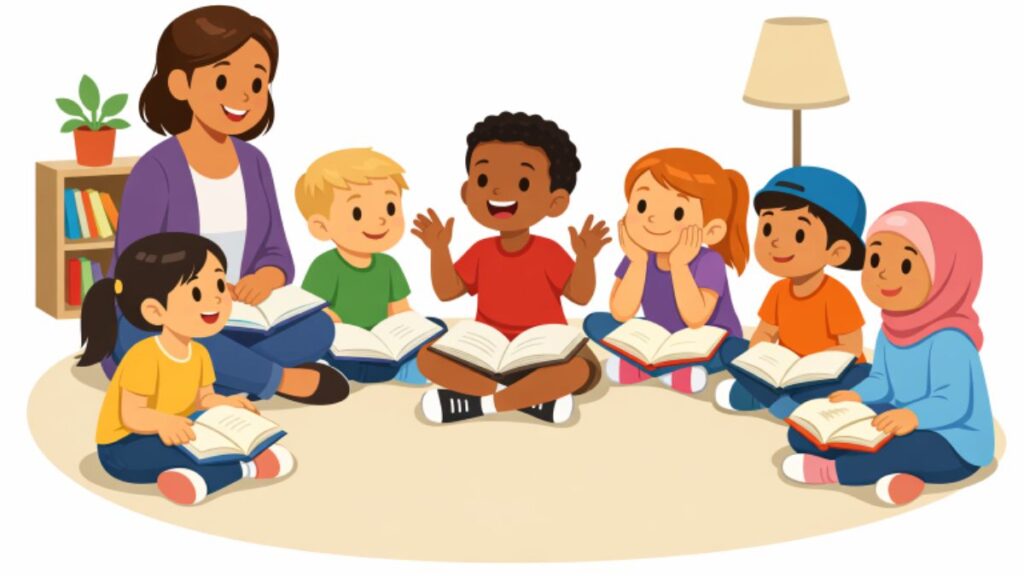
Storytelling has played a pivotal role in every culture, offering a means to connect generations, preserve wisdom, and entertain. For children, storytelling goes far beyond simply enjoying a captivating tale. Immersing children in stories acts as a vital catalyst for growth, nurturing their minds and hearts. Whether you’re a parent, teacher, or caregiver, weaving storytelling into everyday life can foster healthy cognitive, emotional, and social development. Families exploring non fiction short stories can discover even more benefits by introducing real-world experiences and lessons to young listeners.
Science increasingly shows that when children regularly participate in storytelling, they develop sharper thinking skills, greater resilience, and a stronger sense of community. Beyond just reading, active engagement, telling stories, acting them out, or discussing them, cements these important gains. By integrating stories from different backgrounds and experiences into early education, adults can prepare children for lifelong learning and success.
Cognitive Benefits of Storytelling
Children who engage frequently in storytelling activities display notably higher cognitive performance compared to those with less exposure. Narrating and listening to stories enhance memory, comprehension, and focus. These processes stimulate the brain’s ability to process sequences, recognize cause and effect, and solve problems creatively. Frequent storytelling expands access to richer language and more varied vocabulary, providing a strong base for academic success. Stories have a powerful, universal appeal tied to crucial aspects of our social cognition.
When children hear or recount stories, they practice organizing information in a logical sequence, a foundational skill for other academic subjects, including math and science. This repetitive engagement with narrative structures fosters an innate sense of order and logic, essential for higher-order thinking processes such as analysis, synthesis, and evaluation. Additionally, storytelling can help children develop attention control as they learn to focus on plot details and remember facts or motifs introduced earlier in a story. As children grow, these cognitive competencies are reflected in their improved ability to recall and integrate information across diverse areas of study, greatly aiding school readiness and performance.
Emotional Growth Through Narratives
The emotional impact of a well-told story can shape a child’s inner world. Stories let children interpret their feelings, identify with characters, and explore new perspectives in a safe, structured environment. Through tales of triumph, adversity, and connection, children learn empathy and build coping strategies to face real-life challenges. During major disruptions such as the COVID-19 pandemic, storytelling provided children with much-needed comfort and normalcy.
Moreover, when children are encouraged to express their emotions through stories, either by creating their own narratives or relating to the characters they encounter, they develop a stronger understanding of their own inner lives. This shapes their ability to articulate feelings, handle disappointment, and celebrate successes. By consistently interacting with a variety of story types, children build an emotional vocabulary that helps them communicate and manage their experiences in healthy ways. Parents and caregivers can reinforce this growth by discussing stories’ themes and asking children how characters might feel in different situations, fostering emotional intelligence and compassionate worldviews.
Social Skills and Story Sharing
Storytelling naturally cultivates social skills for both listeners and narrators. Sharing stories encourages children to take turns, listen attentively, and engage in meaningful dialogue. By interpreting others’ emotions and intentions, children become better at navigating relationships and working cooperatively. Social storytelling can also bridge cultural divides, fostering mutual respect and a sense of community identity.
Group storytelling sessions, whether at home or in a classroom, promote teamwork as children collaborate to invent, relay, and adapt narratives together. These collaborative experiences help children appreciate others’ perspectives, resolve disagreements, and reach shared understandings, all of which are foundational skills for positive group interactions. Additionally, exposure to culturally diverse stories strengthens children’s appreciation for differences and similarities among people, helping to reduce prejudice and increase inclusiveness from an early age. Regular opportunities to hear and share stories thus help children become more confident communicators and thoughtful listeners.
Enhancing Language and Literacy
Incorporating storytelling into daily routine directly supports language and literacy development. Exposure to a diverse array of stories improves vocabulary and introduces new sentence structures, helping children master reading comprehension and writing fluency. Even before children can read independently, hearing stories aloud primes their brains for literacy by teaching rhymes, repetition, and narrative logic.
Furthermore, storytelling in multiple languages can offer significant advantages for bilingual children and those learning a new language. The pattern, sounds, and context of voiced stories strengthen language acquisition, phonemic awareness, and memory retention. For emerging readers, stories told aloud transform abstract language concepts into engaging, memorable experiences. As children retell stories or invent their own, they practice narrative sequencing and descriptive language, cornerstones of later writing and reading success. For children who struggle with traditional reading or writing, oral storytelling can provide a valuable alternative for communication and literacy development.
Storytelling as a Healing Tool
Storytelling’s influence extends well beyond classroom learning. In hospitals and therapy contexts, stories can distract from pain, reduce anxiety, and offer solace. When children participate in or listen to narratives about others overcoming adversity, they discover ways to make sense of their own troubles. Hearing stories in clinical settings may not only improve mood but also accelerate healing and recovery for young patients.
Therapists and counselors increasingly utilize storytelling techniques to help children process grief, overcome trauma, or adapt to change. Narrative therapy encourages children to reframe their experiences in new, empowering ways, promoting resilience and hope. For families dealing with illness, loss, or transition, shared storytelling can become a collective healing practice, allowing everyone to express fears and hopes in a safe, imaginative space. The act of creating or recalling stories together fosters bonding, reassurance, and mutual support.
Practical Tips for Parents and Educators
- Incorporate Daily Storytime: Make storytelling a consistent part of your daily schedule to build a cherished routine.
- Encourage Participation: Invite children to tell their own stories, drawing on imagination or life experiences, boosting their creativity and confidence.
- Use Diverse Materials: Rotate stories from a range of cultural backgrounds and literary genres to expand children’s worldviews.
- Ask Open-Ended Questions: Engage children further by prompting them to think critically and share insights about the characters, choices, and outcomes they hear about.
- Pair Stories with Activities: Follow up on stories with related crafts, drawing, or roleplay to extend learning and engagement in fun, hands-on ways.
- Model Storytelling: Share your own experiences and family stories to set an example, demonstrating the value of storytelling in everyday life and helping children see their own lives as meaningful narratives.
Conclusion
Storytelling remains one of the most powerful tools for a child’s holistic growth. When families and educators make stories a dynamic part of early life, they nurture minds, foster emotional resilience, build social skills, and spark a love of language. Whether through classic fairy tales, family histories, or nonfiction short stories, storytelling lays a vital foundation that supports children for years to come.