Achieving optimal energy efficiency in your home is a goal that pays back every month through lower utility bills, greater comfort, and better health for everyone inside. Air sealing is one of the most effective, yet often overlooked, steps you can take to enhance your home’s energy performance. By eliminating gaps, cracks, and small openings where conditioned air escapes, you create a more resilient and comfortable environment. Working with experts like Net Zero can help you identify and correct problem areas for maximum impact.
Even homes with good insulation can lose energy due to unsealed air leaks. Proper air sealing works alongside insulation to keep the temperature steady, reducing the burden on heating and cooling systems. Homeowners often experience immediate comfort improvements after sealing, making it a valuable investment. It not only saves money but also enhances daily comfort by stopping drafts, cold spots, and allergen intrusion. The advantages include quick satisfaction and increased home value over time. Active air sealing encourages responsible, eco-friendly homeownership. As energy needs grow, lowering consumption helps protect the environment and supports a greener community.
Understanding Air Sealing
Air sealing focuses on locating and closing small gaps, cracks, and penetrations in a home’s envelope. Areas around windows, doors, electrical receptacles, and plumbing vents are typical culprits. By cutting off these points of unwanted air exchange, homeowners can better manage the internal climate and prevent wasted energy.
Moving beyond basic insulation, air sealing targets the often-invisible escape routes for heated or cooled air. It requires a blend of detective work and technical skill, whether using caulk, spray foam, door sweeps, or weatherstripping. Many energy audits use specialized equipment, such as blower doors or infrared cameras, to reveal hidden problem areas.
Energy Savings and Cost Benefits
Air leaks cause your HVAC system to work overtime, driving up monthly energy costs without delivering greater home comfort. By addressing this inefficiency, you can save an average of 15% on heating and cooling costs. These savings add up over time, providing a swift return on any air sealing investment.
The cost-effectiveness of air sealing makes it appealing to homeowners who want to reduce expenses without sacrificing warmth in winter or coolness in summer. The process is relatively affordable compared to major renovations and can be completed incrementally as part of your regular home maintenance routine.
Enhanced Comfort and Indoor Air Quality
Eliminating air leaks lessens uncomfortable drafts and eliminates hot or cold spots that plague many homes. This results in a more stable temperature across rooms, which is especially important for families and anyone sensitive to changes in their living environment.
Improved air sealing also blocks the intrusion of outside pollutants, dust, pollen, and moisture. Minimizing these contaminants helps support healthy indoor air quality and reduces the strain on allergies or respiratory systems. In turn, you will find that your home feels fresher and cleaner for longer.
Environmental Impact
Every kilowatt-hour of electricity or unit of natural gas you save through effective air sealing reduces your home’s environmental impact. Decreasing energy usage means lower demand on power plants and less consumption of fossil fuels. This directly equates to fewer greenhouse gas emissions and a more sustainable way of living.
Sustainable home practices, including air sealing, have a substantial collective impact when adopted at the neighborhood or community scale. These initiatives align with broader sustainability movements that aim to reduce energy waste and foster healthier ecosystems across urban and rural settings.
Common Areas Prone to Air Leaks
Identifying where leaks are most likely to occur is critical for effective air sealing. Persistent problem areas usually include:
- Windows and exterior doors (especially where frames meet building materials)
- Pull-down attic stairs and attic hatches
- Electrical outlets, lighting fixtures, and switches on exterior walls
- Penetrations for plumbing, TV cables, and wiring entering from the outside
- Basements, crawl spaces, and unfinished foundations
Periodic impact checks and preventative maintenance in these locations help ensure that small leaks do not become large inefficiencies over time.
Steps to Effectively Air Seal Your Home
- Conduct an Energy Audit: Begin with a professional inspection or a detailed DIY survey to pinpoint where air leakage is most significant in your home.
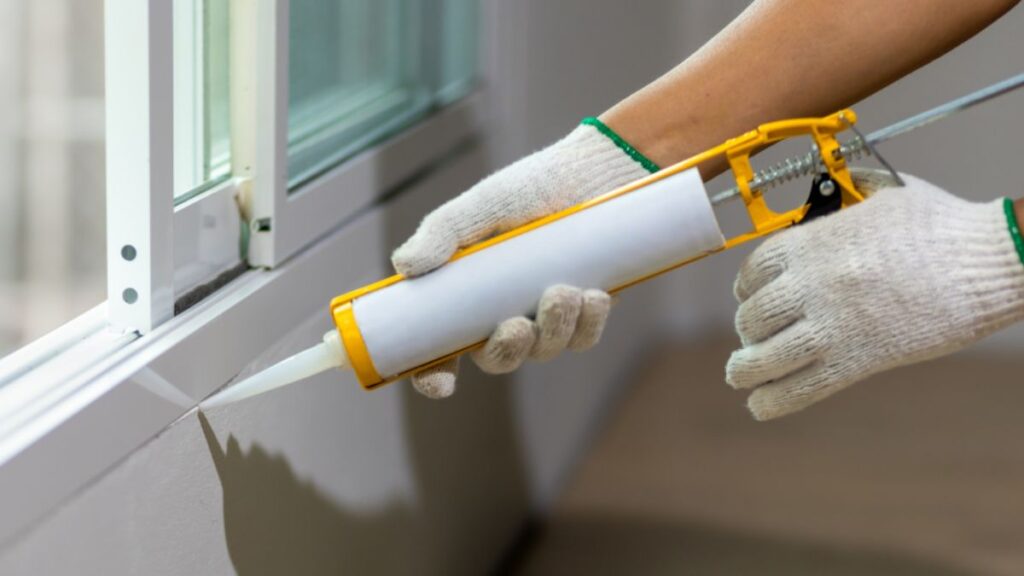
- Seal Gaps and Cracks: Caulk, spray foam, or install weatherstripping on all identified gaps, cracks, and seams. Focus on high-priority areas first for the biggest energy savings.
- Insulate: Once leaks are addressed, supplement your efforts with additional insulation in areas like attics, basements, and walls to keep comfortable air where it belongs.
- Ventilate: After sealing, maintain proper ventilation to prevent condensation buildup and poor indoor air quality, ensuring a healthy home atmosphere.
Taking these steps sequentially delivers the best results, resulting in sustainable energy savings and greater comfort.
Professional vs. DIY Air Sealing
Some air-sealing tasks are easily manageable for homeowners, such as adding door sweeps, caulking baseboards, or installing outlet gaskets. However, significant leaks within attics, crawl spaces, or behind walls often benefit from a trained professional’s expertise. Professionals use diagnostic tools to guarantee comprehensive sealing, address code compliance, and optimize overall home performance.
Choosing the appropriate approach depends on your home’s age, your comfort level with home repairs, and the severity of your energy inefficiencies. In many cases, a combination of DIY tasks supported by professional assessments works best.
Conclusion
Air sealing forms a critical foundation for energy-efficient homeownership. By promptly identifying and fixing air leaks, you can enjoy lower monthly bills, lasting comfort, and a healthier indoor environment. Ultimately, a well-sealed home is a strategic investment in property value, family well-being, and the environment. Taking action today ensures a more sustainable and rewarding tomorrow.