
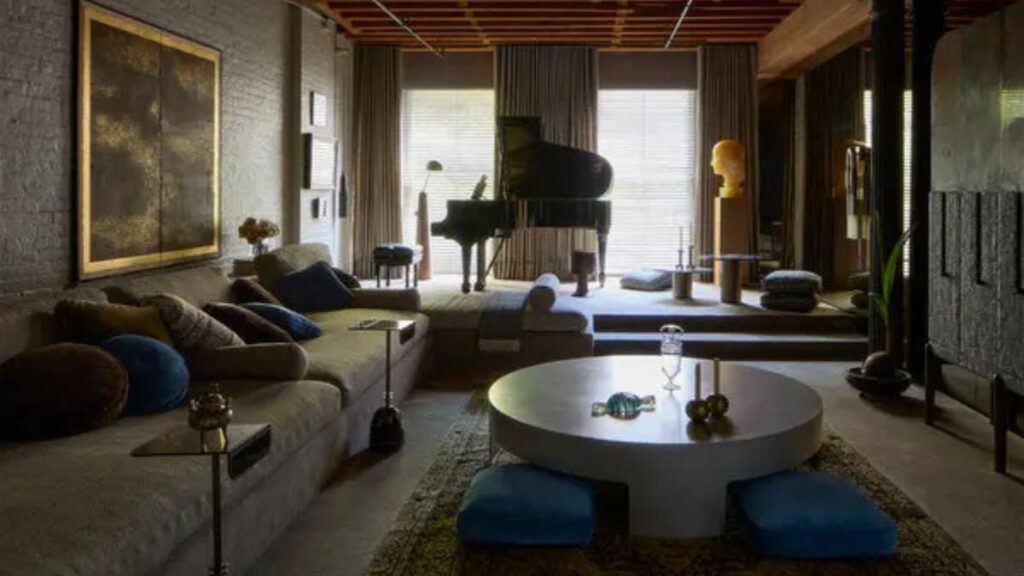
In the dense architectural tapestry of Manhattan, NY, natural light is often the most coveted luxury. We trade square footage for location and accept the quirks of pre-war buildings for their charm, but the struggle for luminosity remains constant. A single window facing a brick shaft or a ground-floor apartment shadowed by skyscrapers can make even the most beautifully furnished space feel cavernous.
This is where the true power of lighting design emerges. It is not merely a utilitarian necessity—a way to find your keys or read a book—but a sophisticated tool capable of manipulating space, altering mood, and highlighting the unique character of a home. When executed correctly, lighting can push back the walls of a cramped studio or bring warmth to an industrial loft. It is the invisible architecture that defines how a home feels.
The Manhattan Challenge: Lighting Without Limits
Designing for Manhattan apartments presents a unique set of challenges that suburban homes rarely face. In the sprawling suburbs, windows are often plentiful, and the sun tracks predictably across the sky. In the city, light is inconsistent. One room might be bathed in harsh afternoon sun while the hallway remains in perpetual twilight.
Effective lighting design in this environment requires a surgical approach. It isn’t about flooding a room with brightness; it is about balance. Professionals look at the shadows as much as the light. They consider how light interacts with the textures typical of New York real estate—the matte finish of exposed brick, the sheen of polished concrete floors, or the intricate details of crown molding in a pre-war classic six.
Addressing these challenges often requires structural electrical work, something that demands a contractor familiar with the eccentricities of city buildings. This is where firms like JSM Custom Remodels distinguish themselves. Navigating the labyrinth of co-op board regulations and ancient wiring requires more than just design sense; it requires logistical expertise.
Beyond the Bulb: The Psychology of Space
There is a profound psychological component to how we light our homes. The color temperature of a bulb can determine whether a room feels like a sterile clinic or a cozy sanctuary. In a high-stress city environment, the home acts as a decompression zone. The lighting scheme must support this function.
Cool, blue-toned light is excellent for alertness and tasks, mimicking the midday sun. However, as the evening winds down, our circadian rhythms demand warmer, softer hues to signal rest. A sophisticated lighting plan integrates these shifts seamlessly. It allows a kitchen to function as a high-performance culinary workspace at 7:00 PM and transition into a moody, intimate entertaining space by 9:00 PM.
This flexibility is essential in Manhattan, where rooms often serve dual or triple purposes. The dining table is a home office; the living room is a guest room; the kitchen island is a bar. Static lighting fails in these multifunctional spaces. Dynamic lighting, controlled by dimmers and smart systems, allows the environment to adapt to the activity, effectively changing the size and feel of the room with the touch of a button.
Sculpting with Shadows: Zoning Open Floor Plans
The open floor plan is a staple of modern renovation, particularly in converted lofts and combined apartments. While removing walls creates a sense of airiness, it also removes the physical boundaries that define different living areas. Without distinct rooms, furniture can feel like it is floating in a void.
Lighting design acts as the new partition. By creating pools of light, designers can anchor furniture and define zones without erecting drywall. A low-hanging pendant light over a dining table creates an intimate “room” within a larger space. Articulation lights over a gallery wall draw the eye and create a focal point, grounding the living area.
Conversely, dark corners can be visually erased. Uplighting placed behind a large plant or in a corner can draw the eye upward, emphasizing ceiling height and making a compact room feel expansive. This technique is particularly effective in spaces with lower ceilings, common in some post-war buildings. It pushes the visual boundary of the room outward, combating the feeling of confinement.
The Integration of Technology and Tradition
We are currently living through a renaissance of lighting technology. The clunky, delayed-start LEDs of the past have been replaced by high-fidelity options that render color perfectly and dim smoothly to a warm glow. Smart home integration allows homeowners to preset “scenes”—a “Welcome Home” setting that illuminates the entryway and living room, or a “Movie Night” setting that dims everything to a cinematic glow.
However, in a city steeped in history, the challenge is often integrating this modern tech without disrupting the vintage aesthetic. Manhattan homeowners often want the convenience of voice-controlled lighting without sacrificing the look of their vintage sconces or chandeliers.
This requires a delicate touch during the remodeling process. It involves retrofitting antique fixtures with modern wiring or hiding sophisticated LED strips within architectural details like coves or behind millwork. The goal is for the source of the light to be invisible or aesthetically pleasing, while the quality of the light is thoroughly modern. JSM Custom Remodels specializes in this kind of sensitive integration, ensuring that the character of the property is enhanced, not overshadowed, by the technology.
The Professional Difference
It is tempting to view lighting as a decorative afterthought—something to be addressed with a few floor lamps once the renovation is complete. This approach rarely yields cohesive results. True lighting design is structural. It involves placement of recessed cans, the routing of wires for sconces, and the installation of under-cabinet lighting. These are decisions that must be made before the walls are closed up.
A general contractor without a specific focus on design nuances might place a single ceiling fixture in the center of a room and call it a day. This results in the “interrogation room” effect, where light casts harsh shadows downwards, aging the inhabitants and flattening the room’s features.
Partnering with experts like JSM Custom Remodels ensures that lighting is considered a foundational element of the renovation. They understand that a beautifully tiled backsplash is wasted if it sits in shadow, and that a custom closet needs internal illumination to be truly functional. In the competitive Manhattan market, these details significantly impact the resale value and the daily enjoyment of the property.
Illuminating the Narrative
Lighting Design shapes the atmosphere and storytelling of your home with precision and artistry. Ultimately, your home tells a story. The furniture, the art, and the layout are the characters, but the light is the narrator. It directs the eye to what is important. It hides the flaws. It sets the emotional tone of the narrative.
In a city as vibrant and relentless as New York, controlling your environment is a form of self-care. When you step off the busy streets of Manhattan and into your apartment, the lighting should welcome you, calm you, and elevate your spirit. It turns a collection of rooms into a cohesive home. Whether you are undertaking a gut renovation or a strategic refresh, prioritizing lighting design is the single most effective way to elevate your living experience. It is an investment that pays dividends every time you flip the switch.
Contact Info
Name: JSM Custom Remodels
Address: 205 Hudson St #730, New York, NY 10013
Phone: +13473055961
Email: info@jsmcustomremodels.com
Website: https://jsmcustomremodels.com/