One of the auspicious months in the Islamic calendar and a unique time for worship is the month of Dhu al-Hajj. The first ten days of this month are the most virtuous days of the year in which Muslims make sincere efforts aiming at maximizing different acts of worship that include fasting, dhikr, prayer or dua. Dhu al-Hajj not only marks the final month of the year but also marks the realization of Hajj which is the fifth and last pillar of Islam and that is why it is known as the month of the pilgrimage.
Hajj is a profound spiritual journey which symbolizes the total submission to Allah Almighty, unity among the Muslim community and purification of the soul by retracing the footsteps of Prophet Ibrahim and his family. Each and every ritual represents a stage of spiritual evolution, moving from the earthly detachment to divine closeness, mirroring the soul’s journey towards Allah. Muslims from all around the world head towards the holy city of Makkah in order to perform the ritual of Hajj. A large number of Muslims travel from countries like UK, USA and Canada to perform the major pilgrimage of Hajj. There is no doubt about it that making all the bookings and managing all the documents is not easy. The trusted Islamic travel caters to the needs of their customers and offer them the best Hajj packages from UK. This package provides the pilgrims affordable deals and helps them in focusing on their spiritual journey instead.
The history of Hajj
In order to truly understand the significance of Hajj, we need to examine its history. The ritual od Hajj is deeply rooted in the story of Prophet Ibrahim (AS), his wife Hajar, and their son Ismail (AS). When Allah commanded Ibrahim to leave Hajar and Ismail in the barren desert of Makkah, he obeyed without hesitation. Here, Hajar ran between the hills of Safa and Marwah searching for water, which is an act that Muslims still replicate during the Sa’i ritual.
Later when Ibrahim was tested with the command to sacrifice his son, he again submitted to Allah’s will. In the end, Allah replaced Ismail with a ram, showing us that it’s not about the act but the willingness to surrender to Allah’s command.
This powerful story is at the heart of the Hajj. Every step that a pilgrim takes during Hajj is a step that follows the footsteps of Ibrahim, Hajar and Ismail. Years later Prophet (PBUH) restored the original message of Hajj. During the farewell pilgrimage, he clarified the rituals and performed them perfectly. Today, the Muslims worldwide follow the same sequence of events, preserving a centuries-old tradition. The Hajj’s significance lies in its history and the timeless values of faith, obedience, and unity it represents.
The rituals of Hajj
Every ritual in Hajj carries deep symbolic meaning. In order to better understand the significance of Hajj, one must walk through these rituals. The rituals of Hajj are quiet demanding when it comes to the physical labour. The location of the accommodation plays a huge role in making your Hajj experience easier to navigate. In order to make sure that reaching at your accommodation is not a hassle you must book a hotel close to haram. In this case the non-shifting Hajj packages 2026, is the best option for someone who is planning to perform Hajj this year. Some of the rituals of Hajj and their spiritual significance is given in the guide below.
1. Ihram
Before the journey begins, pilgrims enter a sacred state called Ihram. Men wear two simple white cloths while women wear a modest dress. In this state, everyone looks the same, with no status, wealth, or titles.
Spiritual significance
This physical change reflects an inner state which includes leaving behind pride, ego, and worldly concerns. The Hajj significance begins here, with the message that we are all equal in the eyes of Allah.
2. Tawaf
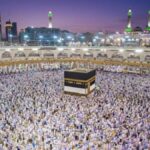
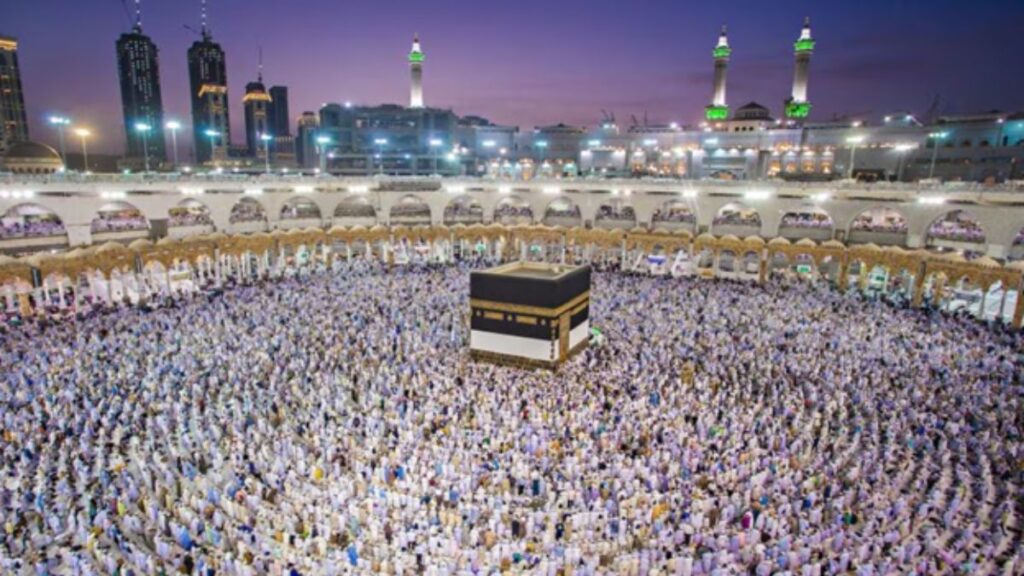
Tawaf is the act of circumambulating the Ka’aba seven times in a counterclockwise direction. It symbolizes unity among Muslims and devotion to Allah Almighty. One is supposed to begin at the Black Stone and walk counterclockwise direction. It symbolizes unity among Muslims and devotion to Allah Almighty.
Spiritual Significance
Tawaf represents the believer’s devotion to Allah Almighty and emphasizes the unity of the Ummah. It also reflects the cyclical nature of life and faith.
3. Sa’i
Sa’i involves walking seven times between the hills of Safa and Marwah and reenacting Hajar’s search for water for her son Ismail. The ritual begins at Safa and the pilgrims walk briskly representing Hajar’s desperation and complete the seven laps ending at Marwah.
Spiritual Significance
It reflects perseverance and trust in Allah as well as honors the sacrifice and resilience of Hajar. You must wear Ihram properly during the ritual and take breaks between the laps if needed.
4. Standing at Arafat
This is the most important day of the Hajj. Pilgrims gather at the plain of Arafat, praying, crying and asking for forgiveness. It’s a powerful scene where millions are dressed in white, standing humbly before their creator. The Prophet (PBUH) said, “Hajj is Arafat”, showing us how central this moment is.
Spiritual Significance
It’s also a day of reflection. Pilgrims think about their lives, their mistakes, and their hopes. It feels like a rehearsal for the Day of Judgement. And yet, it’s also a day of mercy. Allah forgives sins in abundance on this day It is a chance for a fresh start, a rebirth of the soul.
5. Muzdalifah and Mina
After Arafat, pilgrims head to Muzdalifah and collect small stones. The next day, they will use these in Mina to perform the symbolic stoning to the devil.
Spiritual Significance
Throwing these stones may seem simple, but it’s significant. It States that I will not let shaytan control my life. Every throw is a declaration of resistance and a refusal to give in to sin.
Whether performing your first Hajj or simply learning more about it, understanding its deeper meaning can enrich your connection to this incredible act of worship.