
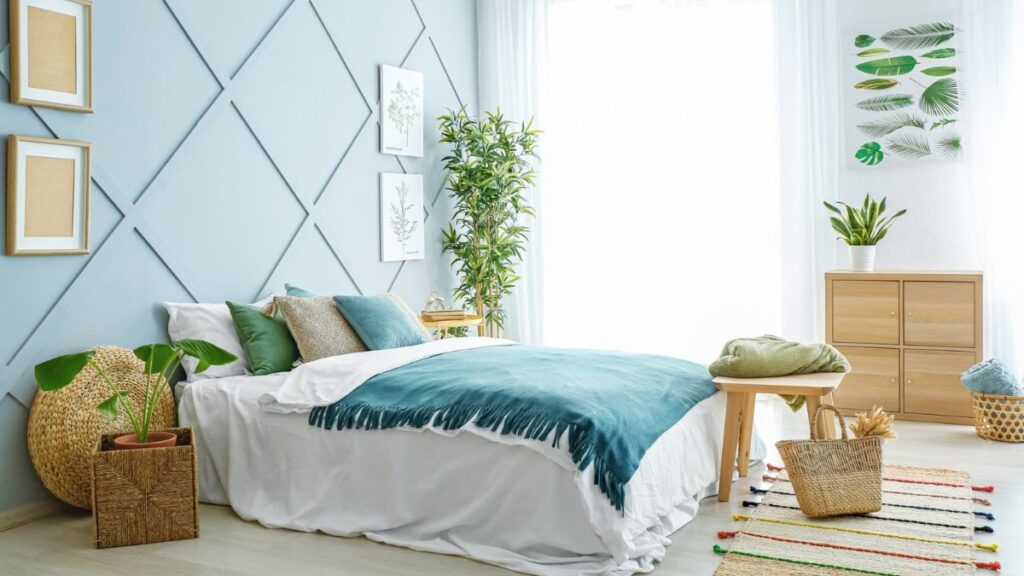
Your bedroom should be more than just a place to sleep—it should be a personal retreat where you can unwind, recharge, and escape the noise of everyday life. Thoughtful bedroom design plays a huge role in how well you rest and how calm you feel at the end of the day. From color choices to furniture layout, even small design decisions can make a big difference. Here are practical and inspiring bedroom design ideas to help you create a space centered on comfort and calm.
Start With a Soothing Color Palette
Color has a powerful effect on mood, and the bedroom is no place for visual chaos. Soft, muted tones tend to promote relaxation and rest. Shades like warm beige, light gray, pale blue, sage green, or soft lavender create a peaceful foundation. These colors reflect light gently and make the room feel airy rather than overwhelming.
If you love bolder hues, use them sparingly. Accent pillows, throws, or artwork can add personality without disrupting the overall calm. The key is balance—your walls and major furnishings should support rest, not compete for attention.
Choose Comfortable, Purposeful Furniture
Comfort always comes first in bedroom design. Invest in a quality mattress and supportive pillows, as these are the true backbone of restful sleep. Beyond the bed, choose furniture that fits the scale of your room. Oversized dressers or bulky nightstands can make the space feel cramped and stressful.
Opt for clean-lined furniture with smooth finishes. Rounded edges and natural materials like wood or upholstered pieces tend to feel more inviting. Keep only what you need—nightstands, a dresser, and perhaps a chair or bench—so the room feels open and uncluttered.
Layer Soft Textures
One of the easiest ways to make a bedroom feel calm and cozy is through texture. Layering soft materials creates warmth and visual interest without adding clutter. Think plush area rugs, linen or cotton bedding, knit throws, and fabric-upholstered headboards.
Mixing textures also helps the space feel intentional rather than flat. For example, crisp sheets paired with a soft duvet and a chunky throw strike the perfect balance between comfort and style. Stick to a cohesive color palette to keep the look serene.
Use Lighting to Set the Mood
Harsh lighting can instantly disrupt a calm atmosphere. In the bedroom, aim for soft, layered lighting that can be adjusted based on your needs. Table lamps, wall sconces, or pendant lights with warm bulbs create a gentle glow that’s easy on the eyes.
Avoid relying solely on overhead lights. Dimmer switches are a great addition, allowing you to control brightness throughout the day. Blackout curtains or layered window treatments can also help manage natural light, supporting better sleep and privacy.
Keep Clutter Under Control
A cluttered bedroom often leads to a cluttered mind. To maintain a sense of calm, prioritize smart storage solutions. Under-bed storage, drawer organizers, and multifunctional furniture can help keep everyday items out of sight.
Make a habit of clearing surfaces like nightstands and dressers. Limiting decor to a few meaningful pieces—such as framed photos, a small plant, or a piece of artwork—keeps the room feeling restful rather than busy.
Bring in Nature-Inspired Elements
Natural elements have a grounding effect that’s perfect for a calming bedroom. Wooden furniture, woven baskets, or stone accents can subtly connect the space to nature. Indoor plants, if you enjoy caring for them, add life and improve the overall feel of the room.
Artwork can also play a role here. A coastal print, botanical illustration, or even a carefully chosen piece of tropical art in Key West style can introduce warmth and character without overwhelming the space, as long as it complements your color palette.
Design With Your Routine in Mind
Finally, think about how you actually use your bedroom. Do you read before bed? A comfortable chair or reading light may be essential. Do you get ready early in the morning? Make sure lighting and storage support that routine without creating stress.
When your bedroom design aligns with your daily habits, the space naturally feels more comfortable and calming. The goal is not perfection, but intention—designing a room that truly supports rest.
Final Thoughts
Creating a bedroom focused on comfort and calm doesn’t require a full renovation. By choosing soothing colors, prioritizing comfort, managing clutter, and designing with purpose, you can transform your bedroom into a peaceful retreat. When your space supports relaxation, restful sleep comes more naturally—and that’s something worth designing for.