
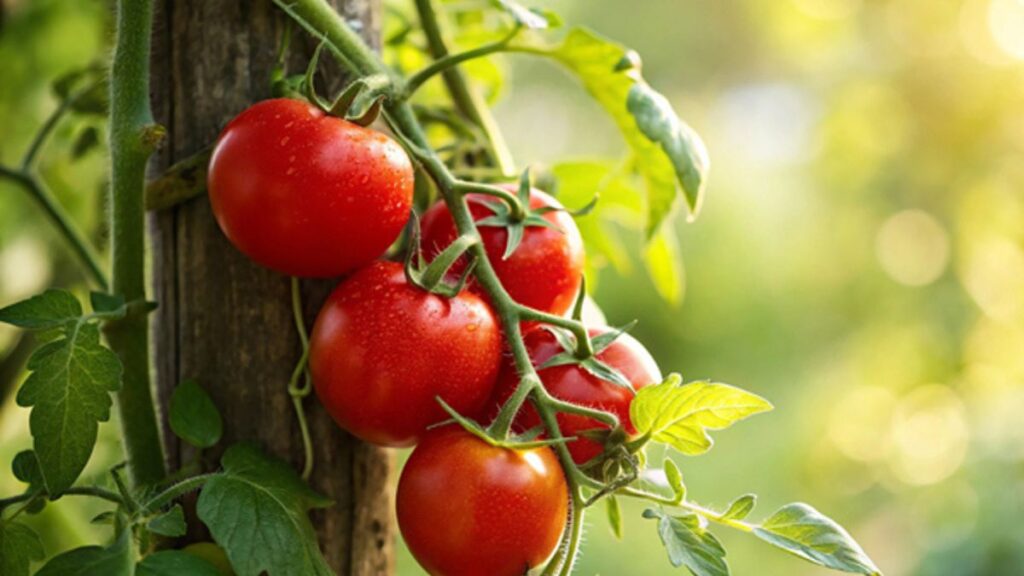
Plum tomatoes are among the most versatile and popular tomato varieties used in kitchens around the world. Known for their firm texture, meaty flesh, and lower seed content, they are a favorite choice for sauces, soups, canning, and many homemade recipes.
Whether you’re a home cook, gardener, or food enthusiast, understanding how to select, use, and grow these tomatoes can help you get the most from every harvest. This guide covers everything from nutritional benefits and culinary uses to storage tips and growing practices.
What Are Plum Tomatoes?
Plum tomatoes are an oval or elongated variety of tomato that contains less water and fewer seeds than many round tomato types. Their dense flesh makes them ideal for cooking because they create thick sauces without requiring extensive reduction.
Some of the most popular varieties include:
- Roma tomatoes
- San Marzano tomatoes
- Amish Paste tomatoes
- Big Mama tomatoes
- Opalka tomatoes
Because of their rich flavor and meaty texture, these tomatoes are often considered the gold standard for tomato-based cooking.
Key Characteristics
- Oval or cylindrical shape
- Thick flesh
- Low moisture content
- Fewer seeds
- Rich tomato flavor
- Excellent for cooking and preservation
Plum Tomatoes vs Other Tomato Varieties
Many people wonder how these tomatoes compare to other common types.
| Tomato Type | Texture | Water Content | Best Uses |
|---|---|---|---|
| Plum Tomatoes | Dense and meaty | Low | Sauces, canning, roasting |
| Cherry Tomatoes | Juicy | High | Salads, snacks |
| Beefsteak Tomatoes | Soft and large | Moderate | Sandwiches, burgers |
| Grape Tomatoes | Firm | Moderate | Salads, appetizers |
| Heirloom Tomatoes | Varied | Moderate to High | Fresh eating |
The lower moisture content makes plum varieties especially desirable when making concentrated tomato dishes.
Nutritional Benefits of Plum Tomatoes
These tomatoes are not only delicious but also packed with nutrients that support overall health.
Rich in Vitamins
They provide important vitamins including:
- Vitamin C
- Vitamin A
- Vitamin K
- Folate
- Potassium
Vitamin C helps support immune function, while vitamin A contributes to eye health.
Excellent Source of Antioxidants
Tomatoes contain lycopene, a powerful antioxidant responsible for their red color. Lycopene has been widely studied for its potential role in supporting heart health and protecting cells from oxidative stress.
Low in Calories
A serving of fresh tomatoes contains relatively few calories, making them a smart addition to balanced diets.
| Nutrient | Approximate Amount per 100g |
|---|---|
| Calories | 18 |
| Carbohydrates | 3.9g |
| Protein | 0.9g |
| Fiber | 1.2g |
| Vitamin C | 13.7mg |
| Potassium | 237mg |
Why Plum Tomatoes Are Best for Sauces
Many professional chefs prefer these tomatoes for sauce-making because of their concentrated flavor and dense flesh.
Less Water Means Better Sauce
When cooking tomatoes into sauce, excess moisture must evaporate. Since plum varieties naturally contain less water, they produce thicker sauces more quickly.
Rich Flavor Development
Their balanced sweetness and acidity create a deeper flavor profile after cooking.
Smooth Texture
The lower seed count contributes to a smoother consistency, especially when blended or strained.
Popular Ways to Use Plum Tomatoes
These versatile tomatoes can be incorporated into countless dishes.
Homemade Pasta Sauce
One of the most common uses is creating rich tomato sauces for pasta dishes. Roasting the tomatoes before cooking can intensify their flavor even further.
Tomato Soup
Their meaty flesh creates creamy soups without requiring excessive thickening agents.
Roasted Vegetables
Roasting enhances natural sweetness while maintaining structure.
Pizza Sauce
Because they cook down into thick, flavorful sauce, they are a favorite ingredient for homemade pizza.
Canning and Preservation
Many gardeners grow these tomatoes specifically for preserving.
Common preservation methods include:
- Canning
- Freezing
- Drying
- Sauce preparation
- Paste production
How to Choose the Best Plum Tomatoes
Selecting quality tomatoes can significantly improve the final result of your recipes.
Look for Firm Texture
The fruit should feel solid without being hard.
Check Color
Choose tomatoes with consistent, vibrant red coloring.
Avoid Damage
Avoid fruits that have:
- Soft spots
- Wrinkled skin
- Mold
- Deep cracks
Consider Aroma
Fresh tomatoes often have a pleasant, earthy scent near the stem.
Best Storage Practices
Proper storage helps preserve flavor and texture.
| Storage Method | Expected Freshness | Best For |
|---|---|---|
| Countertop | 3–7 Days | Ripening |
| Refrigerator | 1–2 Weeks | Extended storage |
| Freezer | Up to 12 Months | Long-term preservation |
| Canned | 1–2 Years | Pantry storage |
Room Temperature Storage
Store unripe tomatoes at room temperature away from direct sunlight.
Refrigeration
Fully ripe tomatoes can be refrigerated if they won’t be used immediately.
Freezing
Whole tomatoes can be frozen after washing and drying. The skins typically slip off easily after thawing.
Growing Plum Tomatoes at Home
Many gardeners choose plum varieties because they are productive and versatile.
Choosing a Variety
Popular choices include:
- Roma
- San Marzano
- Amish Paste
- Big Mama
Each variety offers slightly different flavor profiles and growing characteristics.
Soil Requirements
Tomatoes thrive in:
- Well-drained soil
- Organic-rich compost
- Slightly acidic pH
- Full sunlight
Watering Tips
Consistent watering promotes healthy growth and helps prevent common problems such as blossom-end rot.
Supporting Plants
Most plants benefit from:
- Stakes
- Tomato cages
- Trellises
Support systems improve airflow and keep fruit off the ground.
Common Growing Problems
Even experienced gardeners occasionally encounter challenges.
Blossom-End Rot
This condition appears as a dark spot on the bottom of the fruit and is often associated with calcium imbalance and inconsistent watering.
Cracking
Rapid changes in moisture levels may cause fruits to split.
Fungal Diseases
Poor airflow and excessive moisture can increase disease risk.
Pest Issues
Common pests include:
- Aphids
- Hornworms
- Whiteflies
- Spider mites
Regular inspections help identify problems early.
Pros and Cons of Plum Tomatoes
Pros
- Excellent for sauces
- Lower seed content
- Rich flavor
- Easy to preserve
- Productive garden plants
- Versatile culinary uses
Cons
- Less juicy for fresh slicing
- Some varieties require staking
- Can be susceptible to common tomato diseases
- Short fresh-storage life after ripening
Common Mistakes When Using Plum Tomatoes
Avoid these frequent errors to improve results.
Refrigerating Too Early
Cold temperatures can affect flavor development in unripe tomatoes.
Using Overripe Fruit
Overripe tomatoes may produce overly sweet or watery dishes.
Skipping Roasting Opportunities
Roasting can dramatically enhance flavor depth.
Inconsistent Watering
For gardeners, irregular watering often causes fruit quality issues.
Best Practices for Cooking With Plum Tomatoes
Remove Skins for Smooth Sauces
Blanching tomatoes briefly makes peeling easy.
Roast Before Blending
Roasting develops natural sugars and creates richer sauces.
Combine With Fresh Herbs
Excellent herb pairings include:
- Basil
- Oregano
- Thyme
- Rosemary
- Parsley
Use Peak-Season Produce
Fresh summer tomatoes generally offer the best flavor and nutritional value.
Simple Recipe Idea: Roasted Plum Tomato Sauce
This easy recipe highlights the natural flavor of fresh tomatoes.
Ingredients
- 2 pounds plum tomatoes
- 3 cloves garlic
- 2 tablespoons olive oil
- Fresh basil
- Salt
- Black pepper
Instructions
- Preheat oven to 425°F (220°C).
- Slice tomatoes in half.
- Toss with olive oil and garlic.
- Roast for 30–40 minutes.
- Blend until smooth.
- Add basil, salt, and pepper.
- Simmer for 10 minutes before serving.
The result is a rich, flavorful sauce perfect for pasta, pizza, or dipping bread.
Conclusion
Plum tomatoes stand out as one of the most useful tomato varieties for home cooks and gardeners alike. Their dense flesh, lower water content, and robust flavor make them ideal for sauces, soups, roasting, and preservation. Whether you’re growing them in your backyard or purchasing them at a local market, choosing high-quality tomatoes and using proper storage and cooking techniques can dramatically improve your results.
By understanding their unique characteristics and best uses, you can confidently incorporate them into a wide range of delicious recipes throughout the year.
FAQs
1. Are plum tomatoes the same as Roma tomatoes?
No. Roma tomatoes are a specific variety within the plum tomato category. All Roma tomatoes are plum tomatoes, but not all plum tomatoes are Roma varieties.
2. Why are plum tomatoes preferred for sauce?
They contain less water and fewer seeds, which creates thicker, richer sauces with less cooking time.
3. Can plum tomatoes be eaten raw?
Yes. They can be enjoyed fresh in salads, sandwiches, and appetizers, although they are primarily known for cooking applications.
4. How long do plum tomatoes last?
Fresh ripe tomatoes generally last 3–7 days at room temperature and up to two weeks when refrigerated.
5. Which plum tomato variety is best for canning?
San Marzano and Roma varieties are among the most popular choices because of their dense flesh and concentrated flavor.