
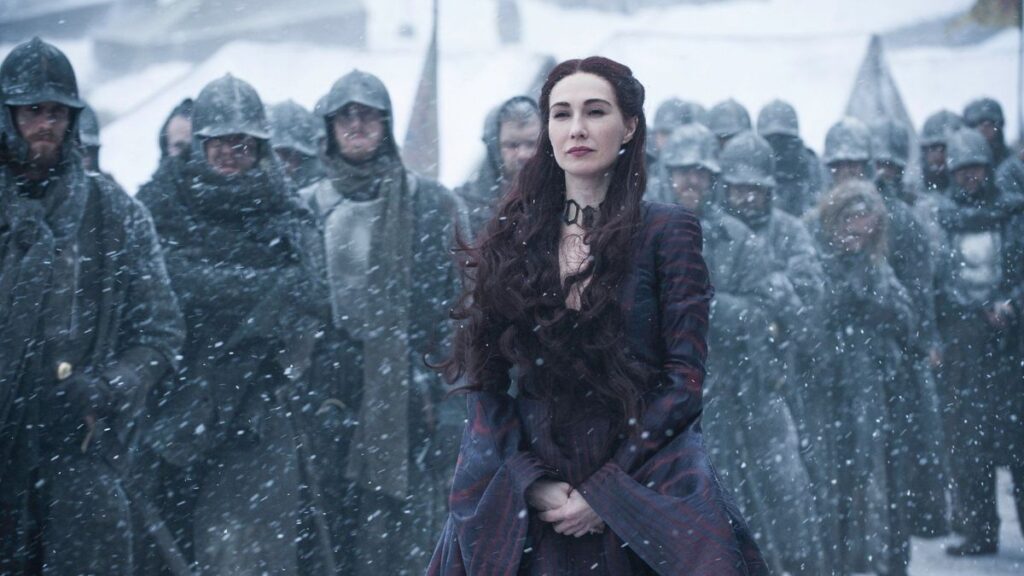
Introduction to Mélisandre
Mélisandre, known as the Red Woman, is one of the most enigmatic characters in the Game of Thrones universe. With her fiery red hair and mysterious powers, she captivates audiences and leaves them questioning her true motives. A priestess of R’hllor, Mélisandre’s presence looms large over Westeros—a land already fraught with chaos and ambition.
Her prophecies weave a complex web that impacts many key players in this epic saga. But who is she really? What drives her actions? As we delve deeper into Mélisandre’s story, we will uncover how this formidable figure has shaped destinies—her own and those around her.
Join us on a journey through shadows and flames to explore the multifaceted role of Mélisandre in shaping Westeros’ fate.
Her Prophecies and Influence on Characters
Mélisandre’s prophecies are a mesmerizing tapestry of foresight and manipulation. She possesses an uncanny ability to see glimpses of the future through fire, using these visions to shape the destinies of those around her.
Her influence on Stannis Baratheon is particularly striking. She ignites his ambition with promises of victory and power, steering him toward dark choices that ultimately lead to devastating consequences.
Then there’s Jon Snow, whose fate intertwines with hers in unexpected ways. Mélisandre recognizes his potential as a key figure in the fight against darkness, further complicating his journey.
Characters often find themselves swayed by her enigmatic presence. Her words can uplift or destroy, depending on how they’re interpreted and acted upon. It’s this duality—her guidance shrouded in mystery—that defines her impact across Westeros.
Mélisandre’s Role in the Battle Against the White Walkers
Mélisandre plays a pivotal role in the fight against the White Walkers. Her mystical abilities and deep faith give her a unique perspective on this dire threat. She serves as both a guide and catalyst for key characters, particularly Jon Snow.
Her presence at critical moments elevates the stakes of the battle. When she brings light to dark situations, it ignites hope among those fighting for survival. Mélisandre understands that fire can combat ice, which is central to her strategy.
During the climactic moments of battle, her influence becomes even more pronounced. With each spell cast and prophecy revealed, she shapes destinies intertwined with death itself. This makes her an enigmatic ally who dances on the edge between salvation and doom.
The supernatural aspects of Mélisandre’s contributions reveal layers of complexity within Westeros’ struggle against its most formidable foe.
The Controversial Sacrifices and Actions of Mélisandre
Mélisandre’s journey through Westeros is marked by choices that many found deeply unsettling. Her unwavering devotion to the Lord of Light often led her down a dark path, where sacrifice became a means to an end.
One of her most shocking actions was the sacrifice of Princess Shireen Baratheon. This act turned allies into enemies and left an indelible scar on those who witnessed it. It raised questions about morality in war—how far would one go for what they believed was the greater good?
Yet, Mélisandre also saved lives. By resurrecting Jon Snow, she demonstrated her unique ability to wield fire as both weapon and shield. This duality made her character complex; a savior or a villain?
Her controversial methods prompted debates among fans and characters alike, forcing everyone to grapple with themes of faith versus fanaticism in their quest for peace.
The Importance of Mélisandre’s Faith and Religion in Westeros
Mélisandre’s faith profoundly shapes her actions and the world around her. As a follower of R’hllor, the Lord of Light, she views life through a lens of prophecy and destiny. Her unwavering belief guides every choice she makes.
This religion emphasizes light versus darkness, portraying fire as a force for good against impending evil. Mélisandre embodies this struggle, often representing hope in dire circumstances. Her connection to R’hllor influences key characters like Stannis Baratheon and Jon Snow, steering them toward their fates.
Her rituals are potent but controversial, showcasing how fervent beliefs can blur moral lines. The sacrifices she makes reflect an underlying conviction that greater goods justify personal losses.
Mélisandre’s spirituality also underscores the theme of faith itself within Westeros—a land rife with skepticism and conflict. She stands as both a beacon and a mystery in the chaotic tapestry of power struggles that define this realm.
The Redemption and Legacy of Mélisandre
Mélisandre’s journey through the realms of light and shadow is one marked by complexity. Initially perceived as a villain, her actions often raised eyebrows among allies and enemies alike. However, beneath the layers of mystique lies a character driven by an unwavering belief in fate.
Her redemption arc unfolds dramatically during critical moments, especially when she realizes the gravity of her previous misjudgments. The once ruthless priestess ultimately plays a pivotal role in rallying forces against darkness.
Legacy-wise, Mélisandre remains an unforgettable figure within Westeros. Her prophecies shaped destinies and altered lives profoundly. Many may question her methods, but few can deny her impact on events that changed the course of history.
In death, she leaves behind questions about faith, sacrifice, and destiny that resonate far beyond her time in Westeros—an enduring enigma who continues to spark debate among fans.
Conclusion: Mélisandre’s Impact on the Game of Thrones Universe
Mélisandre’s journey through the Game of Thrones universe is a captivating tapestry woven with mystique and complexity. As the enigmatic Red Woman, she embodies both hope and fear. Her prophecies guided key characters like Stannis Baratheon and Jon Snow, igniting pivotal moments that shaped Westeros.
Her unwavering faith in R’hllor pushed her to make formidable decisions, some viewed as ruthless sacrifices for a greater cause. The flames flickered not just for warmth but also illuminated paths toward destiny. Despite moral ambiguity surrounding her actions, Mélisandre remained steadfast in her vision of an impending darkness.
The battle against the White Walkers showcased her crucial role in uniting disparate factions against a common enemy. Here was a woman who wielded fire as both weapon and beacon of hope—a symbol of resilience amidst chaos.
As time unfolded, so did Mélisandre’s character arc. She sought redemption for past misdeeds yet never shied away from embracing her identity as a servant of prophecy. This nuanced portrayal left viewers questioning their perceptions of good and evil within the Seven Kingdoms.
Mélisandre’s legacy transcends mere plot points; it resonates deeply within themes of fate versus free will. Her influence rippled through alliances forged by belief—uniting hearts under one fiery banner amid shadows creeping closer each day. In this realm layered with intrigue and ambition, few figures have left such an indelible mark on its rich narrative fabric as she has done throughout the saga.