
Lymphatic drainage machines have been rapidly gaining popularity over the past few years, particularly within the beauty, health, and body contouring world. Having been advertised to reduce bloating, detoxify the body, improve circulation, and even help one lose weight, the technology has become commonplace at clinics, spas, and even at home. However, the question really is—do lymphatic drainage machines really work? Or are they simply one more wellness craze supported by fancy advertising?
We’re going to delve into what lymphatic drainage is, how these machines work, the science behind claims, and what people who use them have to say. By the conclusion of this article, you’ll know whether purchasing one of these machines is worth it or not.
What is Lymphatic Drainage?
The lymphatic system is an essential component of both the circulatory system and the immune system. Its job is to eliminate waste, toxins, and surplus fluid from the body. When it functions correctly, it maintains swelling at bay as well as reduces inflammation. Sedentary lifestyle, illness, surgery, or bad diet, however, can impair this system, causing puffiness, water retention, and fatigue.
Lymphatic drainage is a term that applies to methods—often pressure therapy or massage—which stimulate the movement of the lymphatic fluid. The manual lymphatic drainage (MLD) is an interactive method done by professional practitioners. Lymphatic drainage devices attempt to simulate this effect while leveraging technology.
These treatments have gained increasing popularity at aesthetic clinics and recovery surgery programs, with an increasing number of individuals now opting to use home lymphatic drainage machines to achieve similar benefits at home, at their convenience.
How to Use Lymphatic Drainage Machines
Lymphatic drainage devices are of different kinds, such as:
– Air compression suits: Inflatable suits that rhythmically inflate and deflate to compress the body.
– Low-level laser therapy (LLLT): Applies laser light to stimulate lymph flow.
– Infrared and heat therapy: Promotes circulation and lymph flow by warming.
– Vibration platforms: Activating the muscles and tissues to encourage drainage.
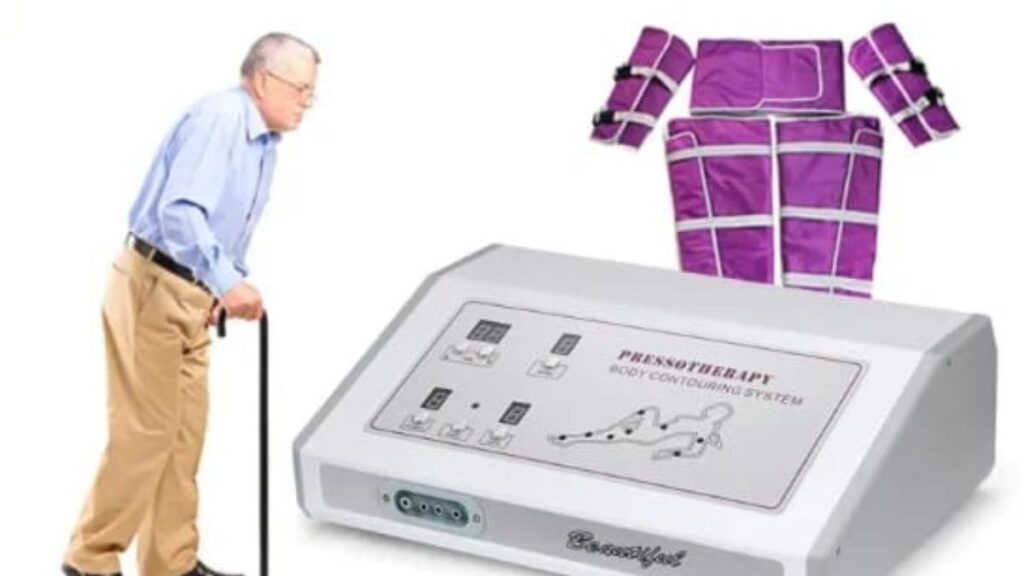
The best-known devices are air compression garments. These consist of clothing (such as sleeves, boots, or whole-body suits) that inflate with air at a certain rhythm. The alternating compression simulates the effects of manual lymphatic massage to promote drainage of the lymph fluid toward lymph nodes and away from the inflamed or congested regions.
Some newer models also combine radio frequency (RF) for tightening the skin or electrical muscle stimulation (EMS) for additional toning benefits, thus rendering these products multifunctional.
Also, some higher-end machinery is now combined with infrared light or LED phototherapy, said to stimulate lymph flow at the same time as it enhances skin elasticity and luminosity. These devices are becoming more popular despite additional research required, as they offer multi-faceted benefits.
Claimed Benefits of Lymphatic Drainage Machines
Users and manufacturers often promote a wide range of potential benefits:
– Less swelling and water retention
– Relief from bloating, particularly around the abdomen
– Better circulation and oxygenation
– Enhanced detoxification efficiency
– More even, tight skin texture
– Temporary removal of the appearance of cellulite
– Immune support
– Post-workout recovery
– Post-surgical recovery support
Some even describe themselves as lighter, more relaxed, and more energetic following sessions. Although the short-term outcome is seen and sensed nearly at once, it is necessary to know what is occurring internally to measure the degree of success.
These devices can even induce emotional health through the production of a spa-like state of relaxation. The pressure and heat constituted by some devices have the potential to activate the parasympathetic nervous system, causing the stress and anxiety levels to be decreased with every usage.
What the Science Says
Although there is much user-generated hype, there is scientific backing—specifically in medical uses—for mechanical stimulation of the lymphatics.
Intermittent Pneumatic Compression (IPC)
This treatment, applied extensively by hospitals, utilizes inflatable cuffs to enhance both the flow of blood and the lymphatic flow. Research indicates that patients with lymphedema, this chronic buildup of lymph fluid resulting from the removal or damage to the lymph nodes following cancer surgery, can be assisted by IPC.
Post-Surgery Recovery
Lymphatic drainage is also regularly prescribed following liposuction or plastic surgery to minimize swelling, reduce fluid accumulation, and accelerate recovery. Clinics tend to use manual drainage together with mechanical therapy for maximum results.
Distribution and Detoxification
Compression-based therapies have been used to help increase venous return and enhance microcirculation, thus substantiating that these devices promote detoxification as well as skin health.
What is more, it is worth noting: there is limited evidence that they assist with fat reduction. The only apparent slenderness effect is usually the result of decreased water storage and swelling—not the reduction of fat.
In addition, although at-home devices promote immune function and overall health, ongoing scientific research continues to investigate the degree to which they affect long-term health indicators.
Who Can Benefit Most?
Lymphatic drainage machines can be particularly useful for:
-Individuals who suffer from circulatory impairment or limb swelling
-Office workers with physically inactive job habits
-Frequent travelers or those who are at risk of fluid retention
-Athletes who require quicker muscle recovery
– Individuals recovering from cosmetic procedures
– Individuals who make detoxing part of their health routines
Individuals suffering from chronic fatigue, dullness of the skin, or inflammation caused by diet or stress can find these treatments equally useful. A regular usage can help bring about an overall sense of lightness and clarity.
Though, results are largely reliant on consistency, one’s health, and habits.
Note: Individuals who have conditions such as congestive heart failure, blood clots (DVT), or specific infections must talk to their physician before using the devices.
At-Home vs. In-Clinic Treatments
Professional Clinics
Pros:
– More powerful equipment
– Supervised treatment by professional experts
– Best for post-surgery recovery or intense swelling
Cons:
– High cost per session ($80–$200/session)
– Appointments and time commitment are required
At-Home Machines
Pros:
– Economically efficient over the long term
– May be used for regular maintenance
– Perfect for daily wellbeing routines
Cons:
– Weaker than those used clinically
– It requires discipline and proper usage.
If you are considering long-term lymphatic support, an at-home device of high quality can be an intelligent purchase—particularly if combined with an ongoing healthy lifestyle.
What to Consider When Choosing a Lymphatic Drainage Machine
When shopping for an at-home lymphatic drainage machine, consider the following:
– Compression type: Is it compressing an area you are concerned about (leg, arm, whole body)?
– Adjustable pressure levels: Makes your experience more personalized
– Programs and Time Settings: Suitable for daily routines
– Portability: All of these products differ in bulkiness
– Safety certifications: Seek FDA-approved or CE-marked devices
– Warranty and customer support: Always review reviews and return policies
Conclusion
The lymphatic system is often overlooked in conversations about beauty and wellness, but supporting it can lead to powerful improvements in how you look and feel. Lymphatic drainage machines bring this essential function into daily routines—making recovery, detox, and maintenance more accessible than ever.
Whether you’re an athlete, recovering from surgery, or just want to de-puff and feel lighter, the right device can offer noticeable results. Just remember to be consistent, stay hydrated, and manage your expectations.
So, do lymphatic drainage machines really work? Yes—they work best when paired with intention, routine, and a holistic approach to wellness.
Ready to explore your options? Discover professional and at-home lymphatic drainage machines to find the one that fits your goals and lifestyle today.