
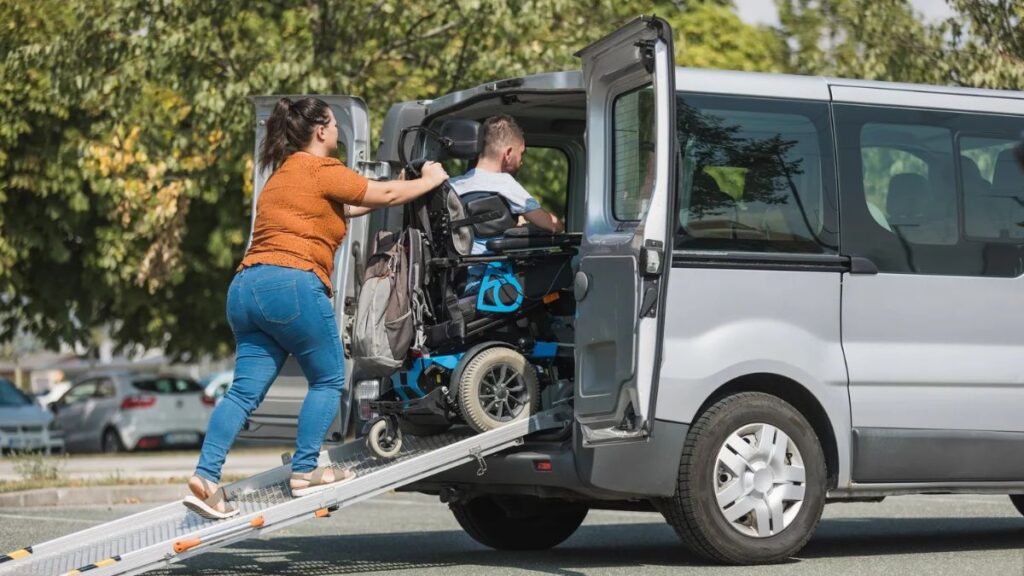
Long-distance medical transport plays a quiet but crucial role in modern healthcare, helping patients reach the right facility when local options are limited. It may involve transferring a patient from a rural hospital to a regional center, returning a patient closer to home after surgery, or coordinating a transfer for rehabilitation and follow-up care. These trips can last hours and sometimes cross state lines, which makes preparation more than a simple ride from point A to point B. Comfort matters, but clinical stability matters more—especially when pain control, oxygen support, cardiac monitoring, or mobility limitations are part of the picture. Families also face practical stress: timing, paperwork, costs, and communication across multiple care teams. When handled well, transport protects the patient’s progress and reduces setbacks. It also keeps the receiving team informed, so care can continue uninterrupted and without complications or readmissions.
When Long Trips Become Medical Decisions
A long medical transfer is not only about distance; it is about risk over time. The longer a patient is in motion, the greater the risk of symptoms changing, medications wearing off, or positioning causing discomfort and pressure issues. Patients recovering from strokes, fractures, major surgery, respiratory illness, or complex infections may be medically stable but still fragile. Even stable conditions can become unstable when hydration is limited, anxiety rises, or the body reacts to prolonged sitting or lying down. This is why transport planning should be treated like a clinical decision: matching the patient’s needs with the right level of monitoring, equipment, and crew. The goal is to maintain the same standard of care that the patient had before the transfer, not to “pause” healthcare during travel. A careful plan considers vital signs, mobility, pain control, fall risk, and the ability to handle emergencies on the road without panic.
Clinical Preparation Before the Wheels Move
Good outcomes start before departure, with a clear snapshot of the patient’s current condition and what could realistically go wrong during the trip. This includes recent vitals, lab concerns that matter during travel, medication schedules, and any red flags such as oxygen dependence, confusion, seizure risk, or bleeding concerns. The sending facility and transport team should align on what “stable” means for that individual patient, not a generic label. A transfer packet should be accurate and easy to follow: diagnoses, allergies, medication list with last doses, code status, physician contact details, and required precautions. If the patient needs oxygen, the flow rate and delivery method should be confirmed and tested before leaving. Pain management should be timed so discomfort does not spike mid-route. One practical step to improve safety is to confirm who will receive updates during the trip and how changes will be communicated. If you need for more info on what paperwork and medical details to prepare, ask the discharge planner to provide a checklist tailored to the patient’s diagnosis.
Choosing the Right Level of Transport Support
Not every long-distance medical move requires the same kind of vehicle or staffing, and mismatching the level of support can create avoidable stress. Some patients can travel in a medically assisted stretcher van arrangement with basic supervision, while others require an ambulance with advanced monitoring and a higher clinical skill mix. The deciding factors are not comfort preferences; they are clinical realities like oxygen needs, cardiac concerns, airway risk, medication infusions, and the likelihood of deterioration. Another consideration is the patient’s ability to tolerate the trip physically—whether they can be seated, must remain supine, or need frequent repositioning. A patient with severe back pain or recent surgery may need a stretcher even if they do not need complex monitoring, simply to avoid harming their recovery. Families should also consider the patient’s emotional and cognitive state. Someone with dementia or post-ICU delirium may need a calmer environment, fewer transfers in and out of vehicles, and a plan to reduce agitation that can raise blood pressure and complicate care.
Equipment, Comfort, and Safety Over Several Hours
Long trips magnify small issues. A slightly awkward position becomes severe pain after two hours, and mild nausea can become dehydration if not managed early. Proper positioning supports healing and reduces the risk of pressure injuries, especially for patients with limited mobility or fragile skin. Padding, secure straps, and safe elevation angles matter, as does planning for restroom needs and dignity. If the patient uses a catheter, ostomy, or wound dressing, supplies should be accessible, not packed away. Temperature control inside the vehicle should be adjustable because chills and overheating both stress the body. Noise and motion can worsen headaches, vertigo, and anxiety, so keeping the environment calm is part of care. Safety is also mechanical: ensuring the stretcher locks properly, equipment is secured, oxygen supply is calculated with buffer time, and backup power sources are available for monitors when needed. During a multi-hour trip, regular check-ins—pain scale, breathing comfort, and limb circulation—help catch problems early, before they become emergencies that force an unplanned stop.
Coordination Between Sending and Receiving Facilities
A major risk in long-distance transfer is not what happens on the road, but what happens at the handoff. If the receiving facility is not ready, the patient may face delays that increase pain, dehydration, or agitation. If medication orders are unclear, doses can be missed. Strong coordination includes confirming the receiving bed, arrival time window, and the name of the clinician responsible for accepting the patient. It also includes confirming what will happen immediately upon arrival: whether imaging is expected, whether isolation is needed, and whether family can be present. Transport teams should have a direct line to a nurse or unit coordinator at the destination in case timing shifts due to traffic or weather. A good handoff is structured, brief, and complete, focusing on the patient’s baseline status, changes during transit, and any interventions provided on the road. Families benefit when one person is assigned as the point of contact, so updates do not get lost across multiple phone calls. The smoother the handoff, the faster the patient returns to a stable routine of care.
Family Logistics and Cost Planning
Long-distance medical transport affects the entire household, not only the patient. Families often juggle time off work, travel plans, lodging, and the emotional burden of uncertain timelines. Insurance coverage varies widely, so confirming what is covered, what requires prior authorization, and what documentation is needed can prevent surprise bills later. It also helps to ask whether a physician’s order is required and whether the transport is categorized as medically necessary or convenience-based. Keep a folder with discharge notes, IDs, insurance details, and contact numbers. Plan for arrival: who meets the patient, who speaks with admissions, and who carries essential supplies.
Managing Risk During Transit Without Panic
Even with planning, unexpected changes can occur, and the key is having a calm protocol. A patient may develop increased pain, shortness of breath, dizziness, or anxiety, especially if the road is rough or the trip runs longer than expected. Good transport care anticipates these issues by timing medications, maintaining appropriate hydration when permitted, and monitoring symptoms at regular intervals. The crew should know the nearest appropriate facilities along the route and have a plan for rerouting if necessary. Families often worry about “what if something happens,” but the practical answer is preparation: a clear baseline assessment, correct monitoring, and clear thresholds for escalation. Communication also reduces stress. When the crew explains what they are watching and what signs would trigger a stop, family members feel less helpless. Risk management is not about assuming the worst; it is about reducing uncertainty and ensuring the patient’s progress is protected at every mile of the journey.
Keeping Care Continuous Across the Distance
Long-distance medical transport works best when it is treated as part of healthcare rather than a gap between appointments. A safe transfer depends on matching the patient’s needs to the appropriate level of support, preparing accurate, usable medical information, and planning for comfort without losing sight of clinical stability. Equipment checks, positioning, medication timing, and communication with the receiving facility all reduce the chance of setbacks. For families, organization and clarity help replace anxiety with control—knowing who to call, what documents to carry, and what to expect at arrival. A well-managed trip protects healing, reduces avoidable stress, and supports smoother admissions and follow-up care. When transport is coordinated thoughtfully, the patient arrives not only at the right place, but in the right condition to continue recovery without losing momentum.