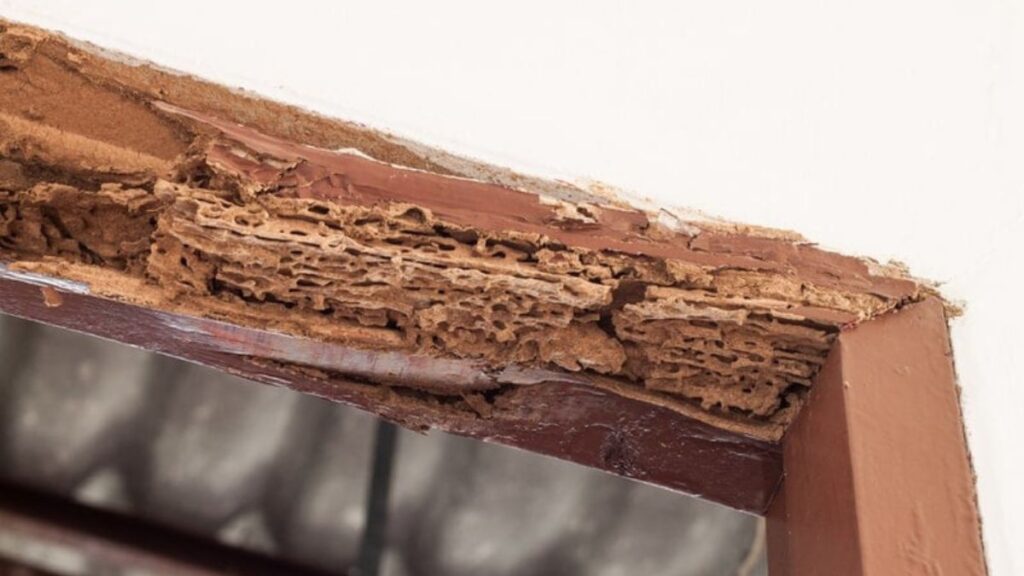
Termite infestation often occurs without much noise, causing extensive damage before homeowners realize there is a problem. The problem is often noticed by homeowners only when the floors become unstable, the doors become difficult to close, or the walls become damaged without any obvious reason.
Consequently, such creeping destruction can cause costly repairs, tension, and doubt about the property’s security. Termites are one of the most irritating household menaces to handle; this is mainly due to the fact that they do not give a warning.
The positive thing is that there are many effective ways to prevent termite damage. By observing the preferences of termites and responding to them as soon as possible, the homeowner is capable of limiting danger significantly.
Simple actions such as moisture control, routine inspections, and proper material choices therefore create strong barriers against infestation. In fact, proactive prevention is always more effective and cheaper than the treatment of more complex structural destruction.
This article will discuss the strategies to avoid termite damage by detecting it early, controlling moisture, landscaping, protecting wood, home maintenance, and long-term prevention.
1. Early Termite Warning Signs
Early warning signs provide the first opportunity to stop termite damage before it becomes structural. Termites avoid light and open spaces, which means visible clues often appear subtle.
Discarded wings near doors or windows, narrow mud tubes along foundations, and wood that sounds hollow when tapped all indicate possible activity. Checking these signs regularly can help catch infestations before serious damage occurs.
Certain regions face higher termite pressure due to warm, humid conditions. For example, communities like Metairie experience environmental factors that support year-round termite activity.
In such areas, homeowners often rely on inspections and termite treatments in Metairie as part of early prevention planning to address activity before colonies expand deeper into structural wood. Taking preventive action early not only saves money but also protects the safety and integrity of the home.
2. Moisture Control Strategies
Moisture directly influences termite survival, especially for subterranean species that depend on damp environments. Leaking pipes, clogged gutters, improper drainage, and poor crawl space ventilation create ideal conditions for termites to thrive unnoticed.
When moisture accumulates around a structure, it increases the likelihood of long-term termite activity. Effective moisture control begins with directing water away from foundations and repairing plumbing issues promptly.
Ventilating crawl spaces and reducing indoor humidity further discourages termite activity by limiting the conditions termites need to survive. Consistent moisture management makes a home less attractive to termites while also supporting overall structural health.
3. Smart Landscaping Choices
Landscaping choices often play an overlooked role in termite prevention. Organic mulch placed directly against foundations, dense vegetation near exterior walls, and stacked firewood create shelter and food sources that attract termites while hiding their movement.
Maintaining a visible inspection gap between soil and siding reduces concealed access points. Using gravel instead of wood mulch near foundations and storing firewood away from the structure limits attraction. Moreover, landscaping designs that reduce ground-to-wood contact significantly disrupt termite foraging behavior near residential buildings.
4. Wood Protection Methods
Wood protection is an ingredient that has become indispensable in the prevention of termites since wood is the major food source of termites. Untreated lumber, especially when exposed to soil or moisture, increases vulnerability.
Pressure-treated wood and naturally resistant materials such as cedar provide a stronger first line of defense. Treatments that are borate-based help provide extra protection as the treatment penetrates the wood fibers and disrupts the digestion of termites.
A materials durability study demonstrated that borate-treated wood exhibited significantly reduced termite feeding and lower wood mass loss over extended exposure periods. These treatments are particularly effective for decks, fences, framing, and other exposed wooden elements.
5. Home Maintenance Habits
Regular maintenance of homes also assists in eradicating access points that termites use. For example, foundations have cracks, utility lines, and holes, while rotten caulking and rotted weather stripping give termites an entryway into the structure without notice.
Fortunately, these problems can be resolved at an initial stage, thereby enhancing resistance in general. Routine inspections support early intervention by identifying vulnerabilities before infestations begin.
Sealing cracks, maintaining proper drainage, and repairing exterior damage reduce both termite access and moisture buildup. These maintenance habits also improve energy efficiency and structural longevity, offering benefits beyond pest prevention alone.
6. Professional Prevention Planning
Professional prevention planning offers a permanent framework for termite defense activities. Periodic checks, checking of the soil, as well as preventive sprays, enable early detection of the hidden colonies that would otherwise go unnoticed by the homeowners. Thus, the plans are normally made for regional termite species and environmental conditions.
A pest management study published found that properties with routine preventive inspections experienced significantly fewer severe infestations than untreated homes. When professional oversight supports homeowner maintenance, termite prevention becomes more consistent and reliable.
Conclusion
To avoid termite damage, one needs to be proactive and not reactionary. By maintaining awareness of early warning, moisture management, intelligent landscaping, protection of wood, and regular maintenance, homeowners can prevent any access or survival of termites.
Moreover, scientific research will always demonstrate that prevention lowers structural risk and long-run costs. Therefore, it is always cheaper to prevent it rather than restore it.
The most feasible lesson, probably, is that one should take action promptly and be consistent. By integrating routine prevention measures with regular evaluation by a professional, homeowners will be able to maintain structural soundness and property value over time.