
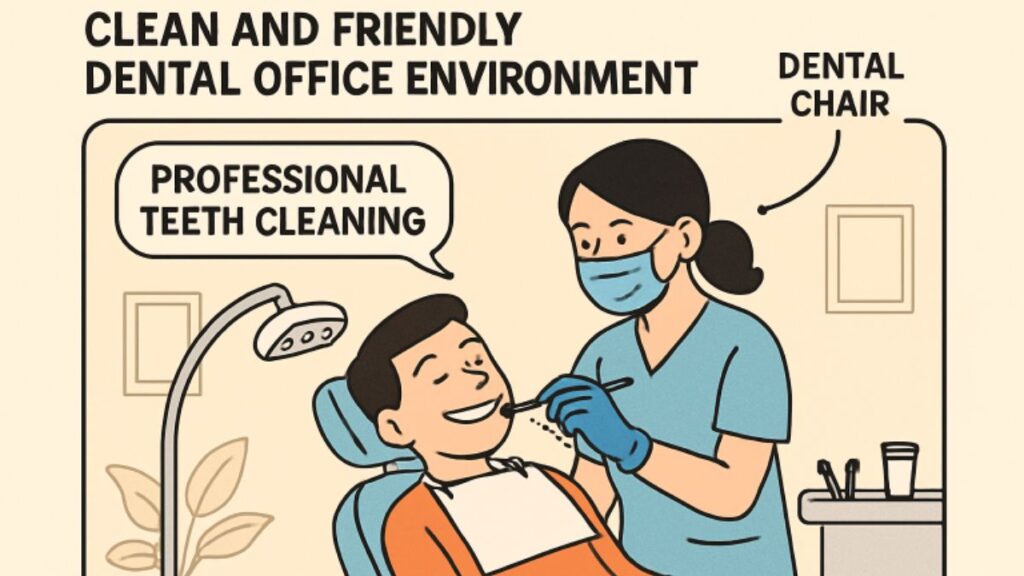
Professional teeth cleanings are an essential part of preventive dental care. Dental cleanings not only keep your smile looking bright but also defend against gum disease, cavities, and a host of other oral health concerns. You might wonder how often a cleaning is necessary and whether you should stick to the twice-a-year recommendation. For personalized advice and comprehensive care, visiting a trusted provider like dentistsofhinsdalelake.com can help you make informed decisions about your dental health.
While most adults are familiar with the six-month rule for dental cleanings, recommendations may vary depending on individual risk factors. Your dentist will consider the health of your teeth and gums, your habits, and any existing medical conditions when creating a schedule tailored to your needs. Establishing regular appointments can help identify problems early before they become more complicated or expensive to address.
Standard Recommendations for Dental Cleanings
The American Dental Association recommends seeing your dentist for a cleaning and exam at least twice per year. This biannual schedule suits most people with good oral health. These appointments let dental professionals remove plaque buildup, check for early signs of cavities or gum disease, and assess any subtle changes in your oral health.
However, this standard may not fit everyone. Medical and dental professionals may adjust cleaning intervals based on your oral environment, medical history, and lifestyle. For example, smokers, people with diabetes, and those with a history of gum disease may be advised to schedule cleanings every three to four months.
When You May Need Cleanings More Frequently
Your personal risk profile plays a significant role in how often you should get your teeth professionally cleaned. Patients with a history of periodontal (gum) disease require ongoing maintenance visits to prevent disease progression. Similarly, those with a high rate of cavity formation, braces, or compromised immune systems should consult their dental professional about a more aggressive preventive plan.
Pregnant individuals often experience hormonal changes that can increase the risk of bleeding gums and periodontal problems, necessitating more regular cleanings. Additionally, older adults sometimes face a higher risk of gum recession and dental decay, benefitting from closer monitoring. Children, especially those prone to cavities, may also need cleanings more frequently than every six months.
Key Benefits of Regular Dental Cleanings
Routine professional cleanings reach places where brushing and flossing cannot, removing stubborn plaque and tartar. This limits the risk of gum disease, tooth decay, and persistent bad breath. These appointments provide an opportunity for early detection of oral cancer, cavities, and other abnormalities, making them a critical element of preventive healthcare.
Regular cleanings can also save you money over time by addressing minor issues early, thereby avoiding more extensive and expensive procedures later. Studies indicate that preventive dental care is linked to lower long-term healthcare costs and improved overall health outcomes.
What to Expect During a Professional Cleaning
A professional dental cleaning, also known as prophylaxis, consists of several steps. First, your dental hygienist removes plaque and tartar from your teeth using specialized tools. Next, teeth are polished with a mildly abrasive paste to remove surface stains and make it more difficult for bacteria to adhere. Your hygienist may floss your teeth and provide fluoride treatments to strengthen enamel and reduce cavity risk.
After your cleaning, your dentist conducts an oral examination to check for any signs of decay, gum disease, or other concerns. These routine visits also serve as a chance to discuss oral hygiene habits at home and receive personalized advice to improve your daily routine.
Oral Hygiene Tips Between Appointments
Professional cleanings are only part of maintaining a healthy smile. Practicing good oral hygiene habits at home, such as brushing with fluoride toothpaste twice a day and flossing daily, is critical for ongoing health. Limiting consumption of sugary snacks and acidic drinks also lessens your risk of decay and gum disease.
If you have difficulty cleaning certain areas due to crowded teeth or restorations, ask your hygienist about additional tools like interdental brushes or water flossers. Consistent care between appointments works hand-in-hand with professional cleanings for the best results.
Conclusion
The frequency of teeth cleanings depends on each person’s unique needs and risk factors. While the typical recommendation is twice a year, some people may benefit from more frequent visits, especially if they have a history of gum disease or other risk factors. Regular professional cleanings, when combined with good home care, are the foundation for lasting oral and overall health. To stay on top of your dental wellbeing, speak with your dentist about the ideal schedule for your cleanings and continue healthy habits at home.