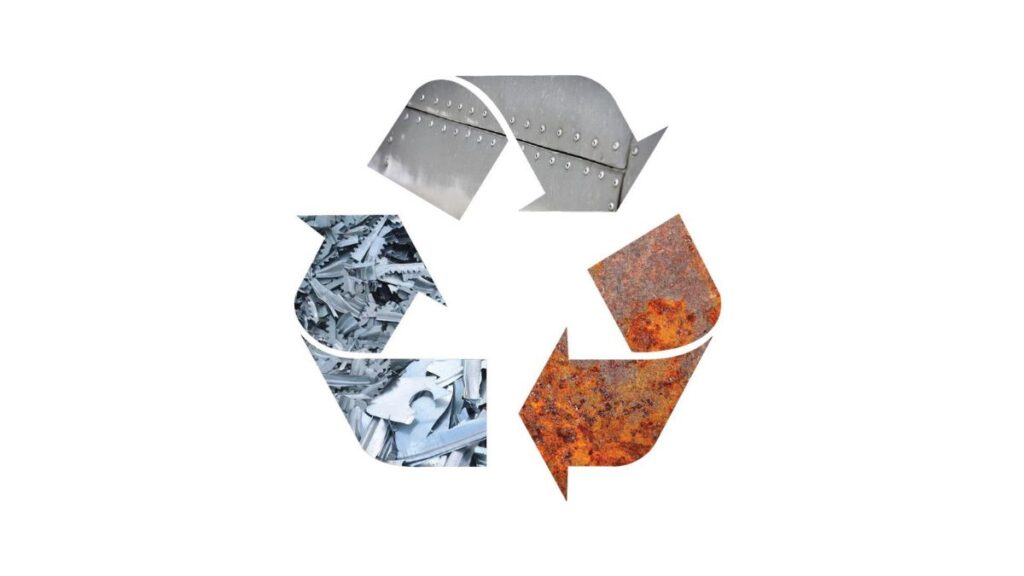
Metal recycling plays a pivotal role in promoting environmental sustainability and resource conservation. As global demand for metals increases, recycling becomes an essential strategy in reducing the environmental footprint associated with mining and manufacturing. Not only does the process help conserve finite natural resources, but it also reduces energy consumption and minimizes harmful emissions associated with primary production. To better understand the importance of reusing metals, consider what is scrap iron used for and how recycled metals support various industries and products.
The recycling of metals eases the burden on landfills and lessens the need for intensive extraction methods, resulting in a more sustainable cycle of production and use. This closed-loop system reduces both carbon emissions and environmental degradation, offering clear benefits to ecosystems and communities alike. As technology improves recycling efficiency and policy frameworks support broader participation, the future of metal recycling holds significant promise for economies worldwide.
Environmental Benefits of Metal Recycling
Recycling metals drastically reduces environmental impact. For example, recycling aluminum uses up to 95 percent less energy than producing it from raw ore, significantly lowering greenhouse gas emissions, as detailed by the U.S. Environmental Protection Agency (EPA). Additionally, recycling lessens the strain on ecosystems by minimizing the need for disruptive land and water exploitation during mining. The preservation of biodiversity and the reduction of landfill waste underline the environmental case for recycling metals, making it a cornerstone of environmental sustainability initiatives worldwide.
Economic Advantages of Recycling Metals
On the economic front, metal recycling creates jobs, drives innovation, and contributes significantly to global GDP. The sector supports thousands of jobs in collection, processing, and manufacturing roles, spanning small businesses to international enterprises. According to the World Economic Forum, the recycled metal industry is anticipated to have a substantial economic impact due to growing worldwide demand and increased consumption across industries. The lower costs of recycling compared to primary production offer manufacturers savings and encourage a more competitive, resilient economy.
Technological Innovations in Metal Recycling
Modern metal recycling is shaped by technological advancements that enhance both the quality and quantity of materials recovered. Automation technologies, including artificial intelligence and machine learning, have improved sorting accuracy and efficiency. Robotics now plays a large role in separating mixed materials with higher precision, reducing contamination rates, and ensuring purer end products. These innovations allow recyclers to process materials more quickly while lowering operational costs. Smart sorting sensors and advanced crushing equipment represent ongoing progress, providing solutions for more effectively recovering metals from complex waste streams. The sector faces notable hurdles, including contamination, fluctuating commodity prices, and gaps in collection infrastructure. Contaminants such as plastics, paint, and oils hinder the recycling process and may compromise the quality of recycled metals. At the same time, market price volatility can erode profitability for operators, discouraging investment and slowing innovation. Governments, industry stakeholders, and communities alike must address these obstacles by promoting cleaner recycling streams, developing supportive policies, and fostering industry partnerships.
The Role of Policy and Regulation
Effective policy frameworks provide legal clarity, environmental standards, and financial incentives for metal recycling. In states like California, proposals to move the regulation of scrap metal operations to the state level aim to create a more unified and efficient oversight system. Such policies can encourage sustainable business practices and ensure environmental safety. National and regional governments continue to explore new legislation, incentives, and public awareness campaigns to improve recycling rates and resource management.
Consumer Participation in Metal Recycling
Ultimately, individual participation determines the overall success of metal recycling programs. Educating communities about the importance of recycling metals, proper sorting behaviors, and environmental stewardship heightens public engagement. Local governments and NGOs often run campaigns and provide accessible collection services, empowering more people to contribute positively. As awareness grows, recycling rates tend to rise, and communities move closer to achieving their sustainability goals.
Future Trends in Metal Recycling
Looking ahead, the integration of blockchain technology into metal recycling is expected to transform the sector by providing enhanced transparency and traceability throughout the supply chain. Reliable documentation of a material’s origin boosts trust in recycled products and can simplify compliance with regulations. Sustainable, closed-loop manufacturing practices are anticipated to expand, driven by greater demand from both businesses and environmentally conscious consumers. Additionally, adopting new green technologies not only improves efficiency but also further reduces the environmental impact of recycling activities.
Conclusion
Metal recycling stands as a critical pillar in building a sustainable, resource-efficient future. The practice contributes to environmental preservation, supports economic development, and fosters technological progress. With continued policy support, technological innovation, and engaged communities, metal recycling will remain a driving force in the global movement toward sustainability and responsible resource use.