
Introduction
Heating and cooling technology is evolving at a rapid pace, and homeowners today have more options than ever to keep comfortable. Among these, ductless mini-split systems are quickly gaining popularity for their versatility and efficiency. By delivering targeted control without the need for extensive ductwork, these systems are providing new opportunities to customize home comfort. When considering efficient climate control, one modern option that stands out for its performance and convenience is the heat pump air conditioner. These advanced systems offer benefits that traditional central HVAC units can’t match.
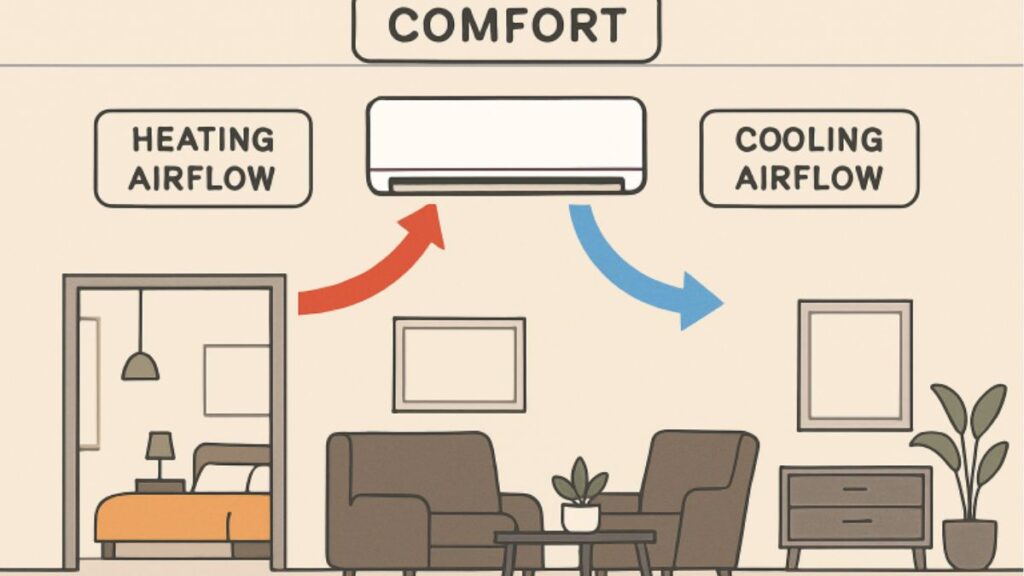
Mini-split systems deliver both heating and cooling directly into individual rooms or zones, allowing homeowners to achieve their desired temperature in each space without energy loss through ducts. Whether renovating an older home or planning a new addition, homeowners find that mini-splits address many of the challenges presented by traditional systems. This shift in approach results in greater efficiency, reduced operating costs, and increased adaptability for various living spaces.
The adoption of ductless systems has been driven by consumer demand for not only improved comfort but also smarter energy usage. According to industry research, homes are increasingly being outfitted with these flexible HVAC solutions as people seek greener, more cost-effective alternatives that align with sustainable living goals. The convenience of independent temperature control in different areas of the house—known as zoning—further sets mini-splits apart from conventional setups.
These features make ductless systems an excellent match for families with varying comfort preferences, as well as those with rooms that are difficult to heat or cool using conventional options. Their popularity also reflects a growing interest in integrating technology into home management for a simpler and more efficient lifestyle.
Energy Efficiency and Cost Savings
Ductless mini-split systems are designed to minimize energy consumption while maintaining optimal indoor comfort. Traditional HVAC systems can lose up to 30% of energy through ducts, especially if those ducts are in unconditioned spaces or poorly maintained. Mini-splits, in contrast, provide direct delivery of conditioned air, translating to higher operational efficiency and lower utility bills for homeowners. Many modern mini-split models leverage inverter-driven compressors, which adjust their output based on real-time demand rather than simply cycling on and off. This innovative approach further reduces wasted energy, resulting in quieter operation and more consistent temperatures.
Government agencies, such as the U.S. Department of Energy, recognize ductless systems as excellent choices for reducing household energy consumption. Studies have shown that these units can significantly reduce heating and cooling costs compared to conventional systems, making them a popular choice for those seeking to save money without compromising comfort. For more details on the impact of ductwork inefficiency and the technology behind mini-splits, visit the U.S. Department of Energy.
Flexible Installation and Zoning Capabilities
One of the key advantages of ductless mini-split systems is their flexibility in installation. Homeowners facing space limitations, lack of existing ductwork, or the need for climate control in a new addition can all benefit from a mini-split solution. The system’s indoor air handling unit can be mounted on the wall, floor, or ceiling and is connected to the outdoor compressor via a small conduit, resulting in far less intrusion into the home’s structure than traditional ducted systems require.
Mini-splits are ideal for older homes or retrofit projects where installing ductwork would be impractical or too costly. They are also a perfect fit for finished basements, bonus rooms, sunrooms, and garages. Moreover, zoning allows individual occupants to personalize their comfort, which can be especially valuable in houses with rooms that are infrequently used or have unique climate needs. According to This Old House, the ability to customize temperature in specific zones can lead to significant long-term energy savings and increased homeowner satisfaction.
Integration of Smart Technology
Ductless mini-split systems aren’t just efficient—they’re also increasingly intelligent. Many models now offer seamless integration with smart home platforms, allowing users to control temperature, schedule operation, and monitor performance remotely using their smartphones or voice assistants. Features like geofencing, programmable thermostats, and real-time energy usage reporting empower users to optimize both comfort and efficiency with minimal effort.
How Smart Controls Make Life Easier
Innovative technology enables proactive home management. For example, the system can automatically turn itself off when no one is home, or pre-heat and cool individual rooms before occupancy during the day. This degree of control helps reduce waste and ensures that homeowners never have to compromise on comfort for the sake of saving energy.
Improved Air Quality and Health Benefits
Alongside saving energy and enabling more innovative home management, ductless mini-split systems contribute significantly to improved indoor air quality. Thanks to multi-stage filtration, these systems can efficiently remove common airborne contaminants such as allergens, pet dander, and dust particles, greatly benefiting individuals with asthma or allergies. In the absence of ductwork, there is also a reduced risk of mold, dust, or debris accumulation, which can aggravate respiratory issues in conventional forced-air systems.
Mini-split systems provide homeowners with additional control through routine filter cleaning and replacement, promoting a healthier indoor environment. According to Consumer Reports, maintaining cleaner indoor air requires less effort with ductless models than traditional systems, further boosting their appeal among health-conscious families.
Environmental Impact and Sustainability
The push toward eco-friendly living is transforming every industry, and HVAC is no exception. Ductless mini-split systems utilize advanced refrigerants with a lower environmental impact and consume less energy overall, thereby reducing a home’s carbon footprint. By improving efficiency and minimizing greenhouse gas emissions, these modern systems support sustainable practices and help homeowners contribute to global efforts to combat climate change.
Additionally, manufacturers are adopting high-efficiency standards, such as ENERGY STAR certification, to ensure that ductless systems align with evolving regulatory and consumer demands for sustainability. Thanks to their versatility, they’re suitable for homes seeking to reduce energy use and environmental impact without sacrificing effective climate control or modern conveniences.
Conclusion
Ductless mini-split systems represent the future of at-home comfort control. With their energy-saving features, flexible installation, innovative technology, and health benefits, these systems offer tangible advantages over conventional HVAC approaches. As more homeowners recognize the financial and environmental benefits, it’s clear that ductless solutions will remain at the forefront of innovation in home comfort for years to come.