Introduction to FUPA
FUPA—it’s a term that has gained traction in recent years, often sparking curiosity and conversation. But what is it exactly? Short for “fat upper pubic area,” FUPA refers to the layer of fat that can accumulate just above the pubic region. This common concern affects individuals of all shapes and sizes, yet many feel uncomfortable discussing it.
Understanding FUPA goes beyond its definition; it’s about recognizing how this condition influences self-image and health. In a world where body image is frequently scrutinized, it’s essential to shed light on this topic without judgment or stigma. Whether you’re looking for answers or simply want to learn more about your body, you’ve come to the right place! Let’s dive into everything you need to know about FUPA—the causes, risks, solutions, and how you can embrace body positivity along the way.
What Causes FUPA?
FUPA, or “Fat Upper Pubic Area,” can arise from various factors. One primary cause is weight gain. When extra pounds accumulate, it often settles in the abdominal region.
Hormonal changes also play a significant role. Fluctuations due to pregnancy, menopause, or hormonal disorders can lead to fat deposits in this area.
Genetics shouldn’t be overlooked either. Some individuals are predisposed to store fat differently based on family traits.
Inactivity contributes heavily as well. A sedentary lifestyle means fewer calories burned and potential muscle loss, making the FUPA more pronounced.
Poor dietary habits cannot be ignored. Consuming high amounts of processed foods and sugars may exacerbate weight issues in this sensitive area.
The Health Risks of Having a FUPA
Having a FUPA, or fat upper pubic area, can lead to several health risks that often go unnoticed. One of the primary concerns is the increased likelihood of developing skin infections. The folds of excess skin can trap moisture and bacteria, creating an environment ripe for issues.
Additionally, it may contribute to discomfort during physical activity. Rubbing against clothing or skin can cause irritation and chafing. This might discourage regular exercise, which is vital for maintaining overall health.
Moreover, there’s a potential link between abdominal obesity and metabolic disorders. Conditions like diabetes and heart disease are more prevalent in individuals with higher levels of body fat around their midsection.
Having a FUPA could impact mental well-being. Body image issues stemming from this condition may lead to anxiety or depression if left unaddressed. It’s essential to recognize these risks as part of a broader conversation about health and wellness.
How to Get Rid of FUPA
Getting rid of FUPA can feel challenging, but there are effective strategies to consider. First, focus on a balanced diet rich in whole foods. Incorporating lean proteins, fruits, and vegetables helps reduce body fat overall.
Next, increase your physical activity. Cardiovascular exercises like jogging or cycling help burn calories while strength training builds muscle tone in the abdominal area.
Hydration is key too. Drinking enough water enhances metabolism and aids digestion. Avoiding processed sugars and refined carbs can also make a significant difference.
Mindful eating practices are essential as well. Paying attention to hunger cues prevents overeating and encourages healthier choices.
Consistent efforts over time yield results. Patience is vital; changes won’t happen overnight but persistence will lead to progress. Focus on creating sustainable habits for lasting impact on your body’s appearance and health.
Exercises and Diet Tips for Reducing FUPA
To reduce FUPA, incorporating specific exercises can make a difference. Focus on core-strengthening workouts like planks and bicycle crunches. These target your abdominal muscles effectively.
Cardio is also essential. Engaging in activities such as running, cycling, or swimming helps burn overall body fat. Aim for at least 150 minutes of moderate-intensity cardio each week.
Diet plays a crucial role too. Prioritize whole foods over processed options—fruits and vegetables should be your mainstay. Lean proteins like chicken and fish support muscle growth while healthy fats from avocados and nuts keep you satisfied longer.
Stay hydrated; drinking enough water aids digestion and curbs cravings. Consider reducing sugar intake to help minimize bloating around the belly area.
Remember that consistency matters more than perfection in any fitness journey. Each small step adds up to significant changes over time.
Cosmetic Procedures for Removing FUPA
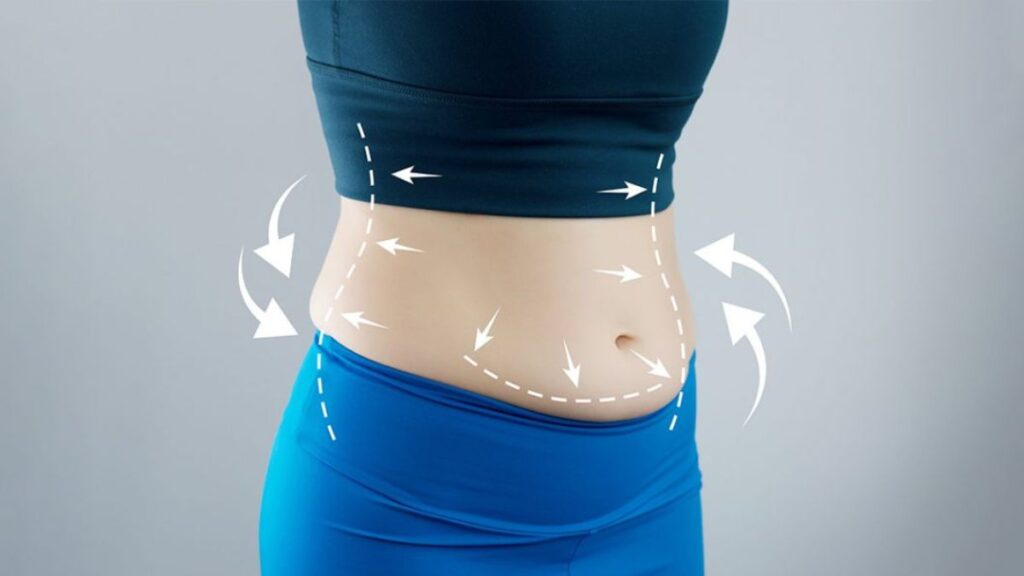
For those seeking a more immediate solution to FUPA, cosmetic procedures can offer effective options. Liposuction is one of the most common methods. It targets excess fat in the abdominal area, providing a sleeker profile.
Another popular choice is a tummy tuck (abdominoplasty). This procedure not only removes fat but also tightens loose skin and muscles. It’s ideal for individuals who have experienced significant weight loss or pregnancy-related changes.
Non-invasive treatments like CoolSculpting are also gaining traction. This method freezes fat cells, allowing the body to naturally eliminate them over time without surgery.
Before opting for any procedure, consulting with a qualified professional is crucial. They can help determine which option aligns best with your goals and health status. Understanding these choices empowers you on your journey toward self-improvement and confidence.
Embracing Self-Love and Body Positivity
Embracing self-love is a journey, not a destination. It’s about appreciating your body for all it does, regardless of its shape or size.
FUPA may be just one part of you. It doesn’t define who you are as a person. Recognizing that everyone has unique features can shift your mindset toward positivity.
Surround yourself with uplifting messages and supportive communities. Follow individuals who celebrate their bodies in all forms on social media. Their confidence can inspire you to embrace your own.
Practice daily affirmations that focus on what you love about yourself. This simple habit can gradually transform how you view your body.
Remember, beauty comes in diverse forms and isn’t dictated by societal standards. Celebrate every curve and imperfection; they make you uniquely beautiful!
Conclusion: Don’t Let FUPA Define Your Worth
FUPA, or fat upper pubic area, is a term that has gained attention for its significance in body image discussions. It’s crucial to understand that having a FUPA is common and can affect anyone regardless of their shape or size. The journey toward feeling comfortable in your skin starts with awareness and self-acceptance.
Your worth isn’t determined by how you look. Embracing your body means recognizing the beauty within yourself beyond physical attributes. A focus on health—both mental and physical—can cultivate confidence and happiness.
Remember, taking small steps to improve your lifestyle can yield significant results over time. Whether through diet changes, exercise routines, or even cosmetic procedures if that’s what you choose, every effort counts towards feeling better about yourself.
It’s essential to surround yourself with supportive individuals who uplift you rather than criticize. Celebrate your uniqueness and prioritize self-love above societal standards of beauty because true confidence radiates from within. Don’t let FUPA—or any aspect of your appearance—define who you are as an individual deserving love and respect.