
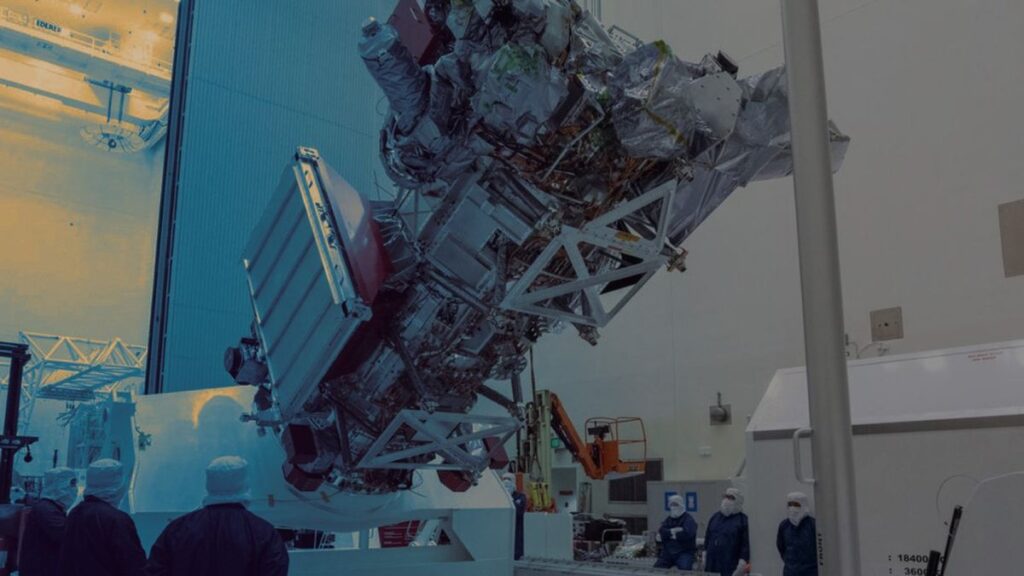
Spacecraft assembly is one of the most intricate and awe-inspiring processes in modern engineering. It’s a journey that begins with a vision of reaching the cosmos and ends with a complex machine capable of surviving the harshest conditions of space. Every spacecraft, whether it’s a satellite, space probe, or crewed vehicle, is the result of meticulous planning, precision engineering, and careful assembly.
The Foundations: Design and Component Selection
The journey starts long before the first bolt is tightened. Aerospace engineers collaborate with scientists, mission planners, and materials specialists to design a spacecraft that meets its mission objectives. Components are carefully chosen based on performance, durability, and weight. Materials must withstand extreme temperatures, radiation, and vibrations during launch and operation. Even adhesives play a critical role; specialized mil-spec epoxy, for instance, is used in some assemblies to ensure structural integrity under extreme stress.
Every part of a spacecraft, from microchips to structural panels, undergoes rigorous testing to ensure it can survive both the launch and the vacuum of space. The selection process often takes months, as engineers balance innovation with proven reliability.
Clean Rooms: The Controlled Environment
Once components are ready, the assembly moves into clean rooms, where every surface, tool, and even the air is meticulously filtered. Contamination by dust, oils, or human particles can compromise sensitive instruments or solar panels. Workers wear full-body suits, gloves, and masks to maintain the sterile environment necessary for spacecraft assembly.
Clean rooms aren’t just about preventing dust—they also help control humidity, temperature, and static electricity. Even minor environmental fluctuations can affect delicate electronics or adhesive bonds. This controlled environment ensures that each component performs exactly as intended once the spacecraft leaves Earth.
Precision Assembly: Layer by Layer
Assembly begins with the spacecraft’s structural frame. Engineers integrate key subsystems such as propulsion, power, communication, and guidance systems. Every part is carefully aligned and fastened according to precise specifications. Robotic tools and computer-guided instruments assist in placing components with micrometer accuracy.
The process is painstaking. Cables must be routed carefully to avoid interference or wear, sensors must be calibrated, and instruments must be tested repeatedly. Each subsystem is integrated step by step, with engineers verifying functionality at every stage. Even small errors can have catastrophic consequences once the spacecraft is launched.
Testing: Simulating the Harshness of Space
After assembly, the spacecraft undergoes a battery of tests. Vibration tables simulate the intense forces of launch, while thermal chambers mimic the extreme temperatures of space. Vacuum chambers test the performance of instruments in zero-pressure conditions. Electrical and software systems are checked repeatedly to confirm reliability.
This stage often reveals issues that weren’t apparent during assembly. Engineers must troubleshoot and recalibrate systems without compromising the spacecraft’s integrity. These tests are not optional—they are essential to ensure the mission’s success.
Final Integration and Launch Preparations
Once the spacecraft passes all tests, it is prepared for integration with its launch vehicle. This step often requires additional precision, as the spacecraft must fit perfectly within the rocket fairing. Engineers monitor every detail, from the torque on bolts to the calibration of onboard instruments, to ensure the spacecraft can endure the journey from Earth to orbit.
After final inspections, the spacecraft is transported to the launch pad and carefully mounted on the rocket. This marks the end of the assembly journey and the beginning of the spacecraft’s mission. What started as a collection of components in a clean room is now a complex machine ready to explore the cosmos.
In Conclusion
The journey from components to cosmos is a testament to human ingenuity, patience, and precision. Spacecraft assembly is not just about building a machine; it’s about creating a system capable of performing in an environment that humans can barely endure. From the meticulous selection of parts and the use of mil-spec epoxy to ensure structural strength, to the careful calibration and rigorous testing, every step is crucial.
This incredible process allows humanity to extend its reach beyond Earth, exploring new worlds, gathering scientific data, and pushing the boundaries of what is possible. Spacecraft assembly is where vision meets engineering, transforming dreams of the cosmos into reality.