
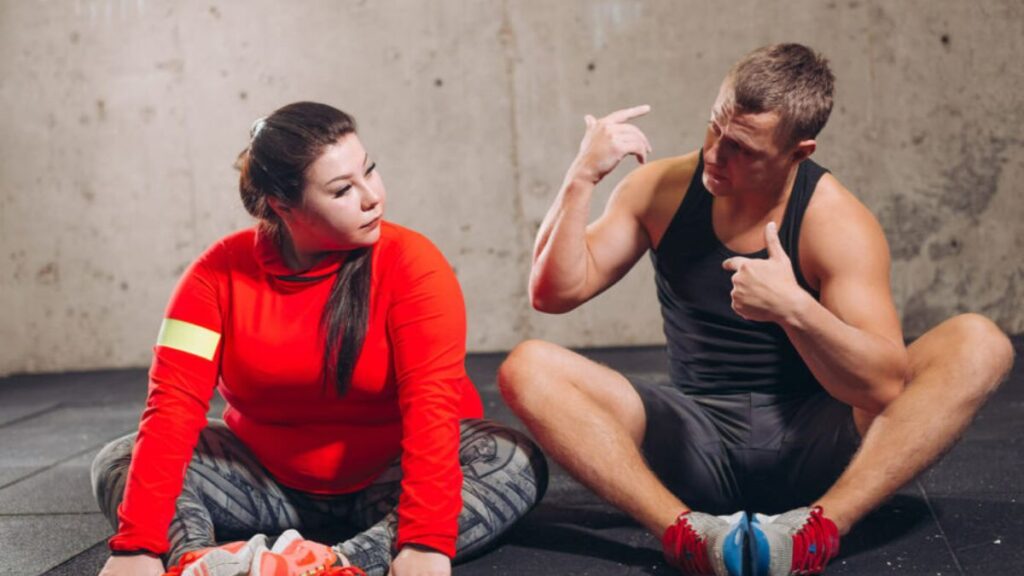
Women’s fitness is not simply a modified version of men’s training—it is a specialized field that considers hormonal cycles, anatomy, life stages, and unique health goals. As more women prioritize strength, longevity, and overall wellness, the demand for informed and qualified fitness professionals who understand women’s specific training needs continues to grow.
Designing effective programs for women requires more than general fitness knowledge. It calls for specialized education in female physiology, biomechanics, and lifestyle considerations. This is why professional training such as a women-focused fitness certification is essential for coaches who want to deliver safe, effective, and empowering programs.
Understanding Women’s Physiology in Fitness
Women’s bodies respond to exercise differently due to biological and hormonal factors. Estrogen, progesterone, and other hormones influence energy levels, strength, recovery, and fat metabolism. These differences should be considered when creating training plans.
Key physiological considerations include:
- Higher joint flexibility due to connective tissue differences
- Lower absolute muscle mass but strong endurance capacity
- Greater susceptibility to certain injuries (e.g., ACL injuries)
- Hormonal fluctuations affecting performance and recovery
Recognizing these factors allows trainers to design programs that maximize results while minimizing injury risk.
Hormones and Their Impact on Training
Hormonal cycles play a significant role in women’s fitness. Phases of the menstrual cycle can affect:
- Strength output
- Endurance
- Coordination
- Recovery time
Rather than avoiding training during certain phases, smart programming adapts intensity, volume, and recovery to align with the body’s natural rhythms. This personalized approach leads to better performance and consistency.
Strength Training for Women: Breaking the Myths
One of the biggest misconceptions in women’s fitness is that strength training leads to excessive muscle bulk. In reality, resistance training:
- Improves muscle tone and definition
- Increases bone density
- Enhances metabolism
- Reduces injury risk
- Supports hormonal balance
Strength training is especially important for women as they age, helping prevent osteoporosis and muscle loss.
Cardiovascular Training and Fat Loss
Women often approach cardio with the sole goal of weight loss. While cardiovascular exercise is valuable, overemphasis on excessive cardio can lead to fatigue, hormonal imbalance, and muscle loss.
Effective programs balance:
- Moderate-intensity steady-state cardio
- High-intensity interval training (HIIT)
- Strength-based conditioning
This combination supports fat loss, heart health, and sustainable energy levels.
Core Training and Pelvic Floor Health
Women require specialized attention to core training due to the role of the pelvic floor. Pregnancy, childbirth, and aging can weaken these muscles, leading to posture issues and discomfort.
Proper women’s fitness programming includes:
- Deep core activation
- Pelvic floor-friendly exercises
- Postural alignment training
- Breathing techniques
Trainers must understand which exercises to emphasize—and which to modify or avoid.
Training Through Life Stages
Women’s fitness needs evolve across different life stages:
Young Adulthood
Focus on building strength, endurance, and movement skills.
Pregnancy and Postpartum
Emphasize safe movement, core stability, and gradual return to exercise.
Perimenopause and Menopause
Support hormonal changes with resistance training, bone-strengthening exercises, and stress management.
Each stage requires specific knowledge to ensure safety and effectiveness.
Mental and Emotional Aspects of Women’s Fitness
Fitness is deeply connected to mental health, especially for women juggling careers, family, and personal responsibilities. Exercise programs that incorporate:
- Stress reduction
- Body confidence
- Sustainable routines
- Positive coaching language
are more effective than appearance-focused approaches.
A supportive training environment encourages long-term adherence and self-empowerment.
Injury Prevention and Recovery for Women
Women are more prone to certain injuries due to anatomical and biomechanical factors. Proper training focuses on:
- Joint stability
- Balanced muscle development
- Mobility and flexibility
- Recovery strategies
Certified trainers are trained to identify movement imbalances and modify exercises accordingly.
Why Specialized Certification in Women’s Fitness Matters
General fitness certifications provide a foundation, but they often lack the depth needed to address women’s specific needs. A women-focused certification demonstrates expertise in:
- Female anatomy and physiology
- Hormonal considerations
- Life-stage-specific training
- Injury prevention
- Coaching and communication strategies
The Women’s Fitness Certification offered by ASFA equips fitness professionals with the knowledge and confidence to coach women safely and effectively.
Career Opportunities in Women’s Fitness
Specializing in women’s fitness opens doors to a wide range of career opportunities, including:
- Personal training
- Group fitness instruction
- Pre- and postnatal coaching
- Online coaching and programs
- Wellness and lifestyle coaching
As more women seek trainers who understand their unique needs, certified professionals stand out in a competitive market.
The Growing Demand for Women-Centered Fitness Programs
Modern fitness is shifting toward personalized, inclusive, and holistic approaches. Women-centered training programs that prioritize strength, health, and confidence are becoming the standard rather than the exception.
Fitness professionals who invest in specialized education are better equipped to meet this demand and build long-term client relationships.
Conclusion
Women’s fitness is multifaceted, dynamic, and deeply personal. Addressing women’s unique training needs requires knowledge, empathy, and evidence-based programming. From hormonal considerations to life-stage transitions, effective training empowers women to move stronger, feel confident, and live healthier lives.
For fitness professionals, gaining specialized education is the key to delivering high-quality, results-driven programs. The https://www.americansportandfitness.com/products/womens-fitness-certification provides the expertise needed to support women safely and effectively throughout every stage of life.