
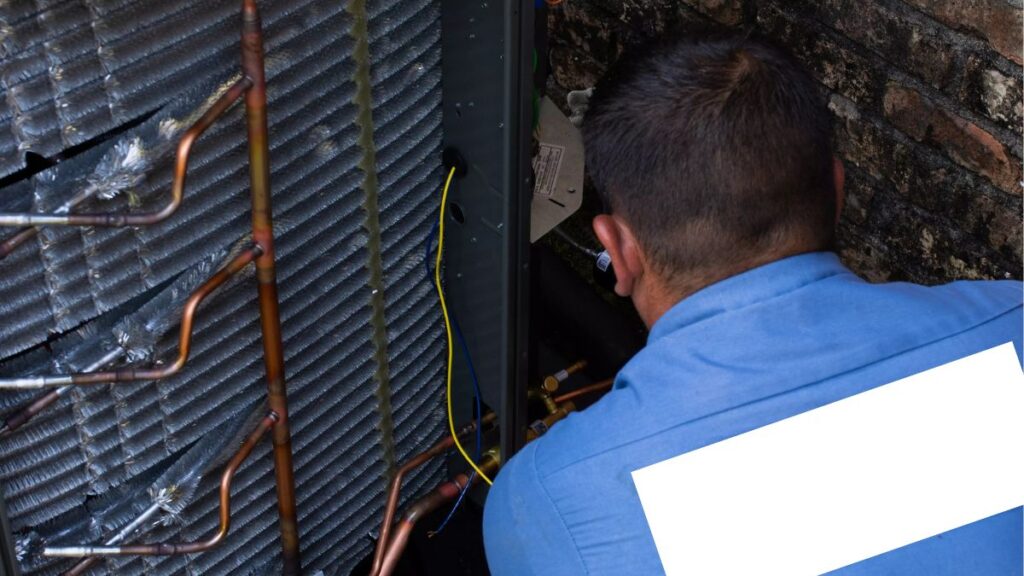
Selecting the correct HVAC system for your home is key to ensuring comfort and energy efficiency. The decision should be based on your home’s unique thermal needs rather than just its size or brand. Making the wrong choice can lead to issues like humidity, uneven temperatures, and increased utility costs.
Critical Factors Before You Buy
Before you even look at brands or models, you need to assess your specific situation. Every home has a unique profile that dictates heating and cooling loads. Ignoring these factors is the fastest way to end up with a system that short-cycles or runs constantly without ever reaching the set temperature.
Analyzing Your Space: Size and Layout
The square footage of your home is the most obvious starting point, but it isn’t the only metric that matters. The layout plays a huge role in airflow. An open-concept floor plan allows air to circulate freely, often requiring fewer vents or zones. Conversely, a home with many closed-off rooms and hallways might need a more complex ductwork design or a zoned system to ensure every corner gets adequate airflow.
Ceiling height is another crucial variable. High, vaulted ceilings trap heat at the top of the room, requiring a system with enough power to circulate that air back down to living level. Furthermore, consider the age of your home. Older homes often lack the insulation and sealed envelopes of modern construction, meaning they might require a more robust system to compensate for thermal loss through walls and windows.
Climate and Weather Patterns
Your local climate dictates the primary function of your HVAC system. If you live in a region with blistering summers and mild winters, your priority should be a high-efficiency air conditioner with a modest heating element. In contrast, homeowners in northern climates need to prioritize heating capability, perhaps looking at high-efficiency furnaces or cold-climate heat pumps.
Humidity is another weather factor often overlooked. In humid climates, an air conditioner does double duty: cooling the air and dehumidifying it. If a unit is too large for the space, it will cool the room so quickly that it shuts off before it has had a chance to remove moisture, leaving you with a cold, clammy house.
Balancing Energy Efficiency and Cost
The initial price tag of a unit is just the tip of the iceberg. You must consider the total cost of ownership, which includes monthly energy bills and maintenance. Systems are rated by SEER (Seasonal Energy Efficiency Ratio) for cooling and AFUE (Annual Fuel Utilization Efficiency) for heating. Higher ratings mean better efficiency but come with a higher upfront cost.
However, the most efficient system isn’t always the best financial choice if you don’t plan to stay in the home long enough to recoup the investment through energy savings. You need to find the “sweet spot”—a system that fits your budget now but won’t punish your wallet later.
Decoding HVAC System Types
Once you understand your home’s needs, you can match them to the right technology. While there are many variations, most residential systems fall into three main categories.
Central HVAC Systems
This is the traditional setup found in most American homes. It utilizes a system of supply and return ducts to circulate air. A central unit, usually comprised of an outdoor compressor and an indoor furnace or air handler, pushes conditioned air through the ducts into every room.
Pros:
- Whole-home comfort: Provides consistent temperatures throughout the entire house.
- Air filtration: Excellent for improving indoor air quality as all air passes through a central filter.
- Aesthetics: The equipment is largely hidden away in basements, attics, or closets.
Cons:
- Ductwork dependency: Requires invasive installation if ducts don’t already exist.
- Energy loss: Leaky ducts can account for significant energy loss.
Ductless Mini-Split Systems
As the name suggests, these systems don’t require ductwork. They consist of an outdoor compressor connected to one or more indoor air-handling units mounted directly on the wall or ceiling of a room. Each indoor unit can be controlled independently.
Pros:
- Zoning capability: You can cool the living room while leaving the guest bedroom off, saving energy.
- Efficiency: No energy is lost through ductwork.
- Flexibility: Ideal for room additions, garages, or older homes without existing ducts.
Cons:
- Aesthetics: Wall-mounted units are visible and can clash with decor.
- Cost: Outfitting a whole house with individual units can be more expensive than installing a central system.
Hybrid (Dual Fuel) Systems
Hybrid systems combine the strength of a gas furnace with the efficiency of an electric heat pump. In mild weather, the heat pump does the work, which is highly efficient. When temperatures drop below freezing and the heat pump struggles, the system automatically switches to the gas furnace.
Pros:
- Maximum efficiency: The system automatically chooses the most efficient fuel source for the current temperature.
- Cost savings: Reduces reliance on expensive fossil fuels during milder months.
Cons:
- Upfront cost: Generally more expensive to purchase and install than a standard single-source system.
- Maintenance: Two different heat sources may require more specialized maintenance.
When to Call the Professionals
While research is vital, HVAC installation is rarely a DIY project. The calculations required to properly size a system—known as a Manual J load calculation—are complex and require professional software and expertise. An undersized unit will run constantly and fail to keep up, while an oversized unit will cycle on and off rapidly, wearing out parts prematurely.
Assessing Expertise and Quotes
When looking for a contractor, don’t just settle for the first quote. Look for companies that are willing to inspect your home’s insulation, windows, and ductwork before giving you a number. A contractor who gives you a quote over the phone without seeing your house is guessing, not calculating.
If you are replacing a heating element specifically, you might need specialized providers. For example, furnace installation services like those offered in Midvale often have specific expertise in handling the gas lines and venting requirements necessary for safe heating operation in colder climates. Always check for proper licensing, insurance, and manufacturer certifications to ensure the warranty remains valid.
Conclusion
Your HVAC system is the lungs of your home, working tirelessly in the background to keep your environment safe and comfortable. Because it is a significant financial investment that impacts your daily life, rushing the decision is a mistake you want to avoid.