
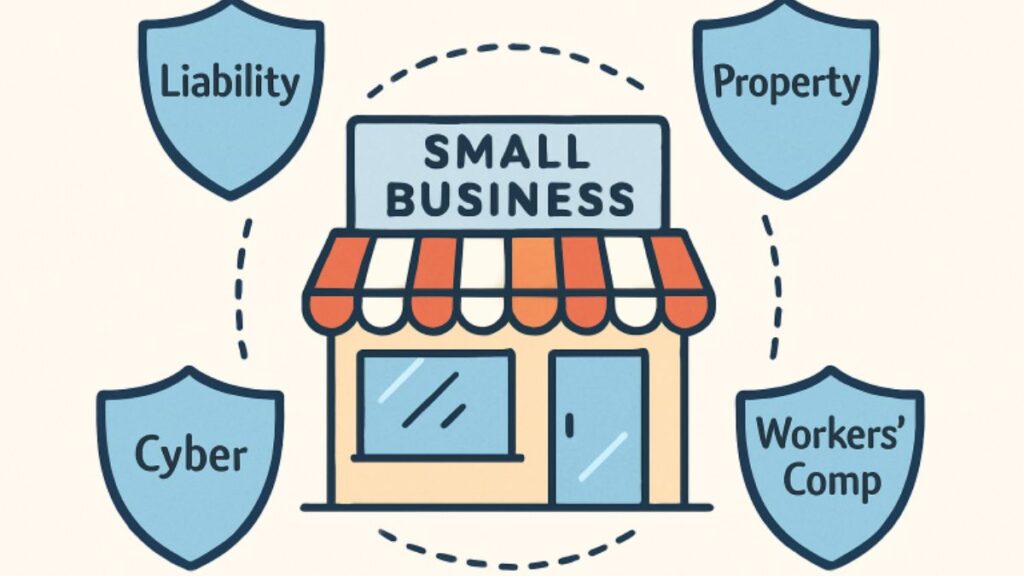
Every small business, regardless of its industry, faces unique risks in its day-to-day operations. Securing proper insurance is not just a safeguard—it’s a foundation for resilience and growth. By exploring the array of business insurance solutions available, business owners can safeguard their ventures against costly setbacks that could otherwise derail years of hard work.
Whether you’re just starting out or running a well-established operation, understanding and customizing coverage is key to meeting legal requirements and ensuring comprehensive protection. Navigating the world of business insurance may seem daunting at first, but the right strategy can shield your assets, address employee needs, and provide peace of mind to you and your clients alike.
Business insurance isn’t just a precaution—it’s an investment in your company’s longevity. Being proactive gives business owners the confidence to pursue growth, knowing that common challenges and unexpected incidents won’t result in financial ruin. Regular policy reviews and updates help ensure that your coverage evolves in tandem with your business.
This guide explores the essential types of insurance every small business owner should consider, and examines how each policy serves as a building block in your risk management strategy.
General Liability Insurance
General liability insurance is the baseline protection for any business. It covers legal and medical costs arising from claims of bodily injury, property damage, or advertising mistakes. For businesses that interact with the public—whether in an office, retail space, or a client’s premises—this insurance provides crucial defense against lawsuits and claims, which could otherwise be financially devastating. According to the U.S. Small Business Administration, this coverage is essential for nearly every company.
Commercial Property Insurance
Commercial property insurance protects your physical workspace and business assets against loss or damage caused by events such as fire, theft, vandalism, or certain natural disasters. Whether you own or rent your business location, safeguarding your valuable inventory and equipment is vital for a swift recovery after an incident. Many landlords require this coverage in lease agreements, ensuring both your investment and their property are protected.
Workers’ Compensation Insurance
Required by law in most states, workers’ compensation insurance covers employees’ medical costs and lost wages in the event of a workplace injury or occupational illness. In exchange, your business is protected from costly employee lawsuits related to these incidents, reinforcing a safe and supportive workplace culture. Proper coverage is essential not only for compliance but also for retaining top talent and avoiding costly legal disputes.
Professional Liability Insurance
Also known as errors and omissions (E&O) insurance, professional liability insurance is designed for service-based businesses. It shields against claims of negligence, mistakes, or failure to deliver promised services. Even the most experienced professionals face the risk of human error, miscommunication, or client dissatisfaction—this coverage offers a financial buffer that helps maintain credibility and client trust.
Cyber Liability Insurance
Modern businesses of all sizes face escalating threats from cyberattacks and data breaches. Cyber liability insurance covers costs related to compromised data, extortion attempts, and legal fees resulting from the exposure of client data. A 2023 survey revealed that 35% of small business owners are increasingly concerned about cyber risk—a number expected to grow as digital dependence continues to rise. Proactive protection helps small businesses mitigate the impact of hacking and ensure regulatory compliance.
Business Interruption Insurance
When unexpected disasters force a temporary closure, business interruption insurance (also known as business income insurance) compensates for lost income and helps cover ongoing expenses like payroll or rent. This insurance is indispensable for recovering quickly after events such as fires or storms—ensuring your company can weather the storm without exhausting reserves or losing market share.
Product Liability Insurance
Any business involved in manufacturing, distributing, or selling products faces the risk of customer claims due to defective or harmful merchandise. Product liability insurance addresses legal costs and damages related to such claims, shielding both your business’s finances and reputation. Even the most robust quality controls can’t always prevent accidents—making this insurance vital for product-focused ventures.
Commercial Auto Insurance
For companies that utilize vehicles as part of their operations, commercial auto insurance provides coverage for accidents, theft, or damage involving business vehicles. Standard auto policies don’t suffice for business use—commercial policies address liability and repair costs, ensuring your operations run uninterrupted after incidents on the road. Retailers, delivery services, and mobile businesses, in particular, benefit from this added protection.
Employment Practices Liability Insurance (EPLI)
As workplaces grow, so does the risk of employee claims related to discrimination, wrongful termination, harassment, or other employment-related issues. EPLI covers legal defense and settlements arising from these disputes—helping business owners create safe workplaces and navigate complex human resource challenges. Proactive coverage can even enable smoother resolution of conflicts before they escalate.
Key Person Insurance
Some individuals are so critical to a small business’s success that their absence could severely disrupt operations. Key person insurance (also called key man insurance) provides funds to manage transition costs, recruit replacements, and offset lost revenue following the death or incapacitation of a key team member. This insurance serves as a succession planning tool, providing peace of mind to stakeholders, partners, and creditors.
Conclusion
Investing in comprehensive insurance coverage is one of the most critical risk management decisions a small business owner can make. The right mix of policies ensures your company is protected from liabilities, disruptions, and rapidly emerging digital dangers. By tailoring coverage using proven business insurance solutions, regularly updating your policies, and working with trusted providers, you’ll be well-prepared to secure your business’s future—no matter what challenges arise.