
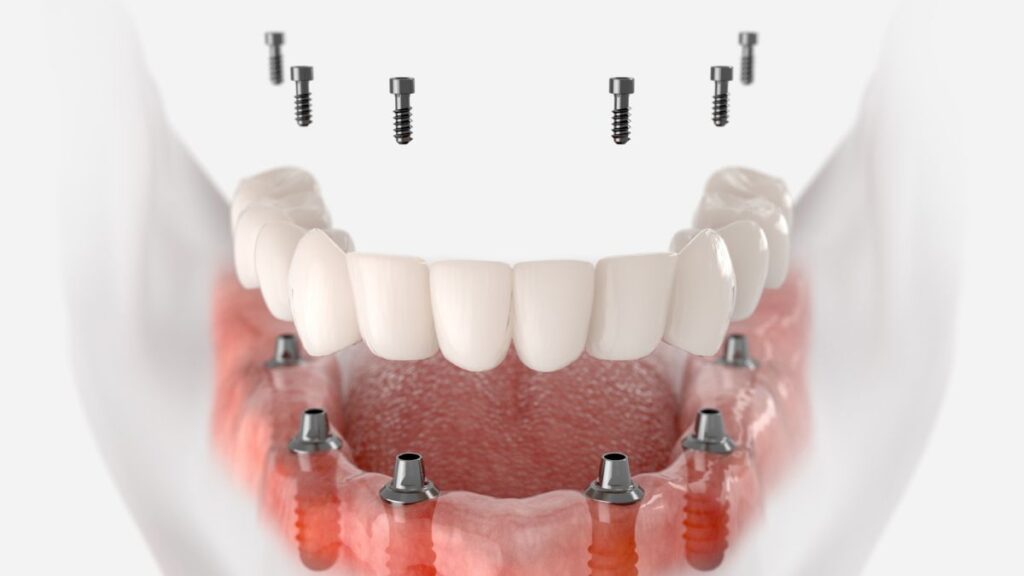
Dental implants have emerged as a major breakthrough in restorative dentistry, providing patients with a highly effective and long-lasting solution for replacing missing teeth. With advancements in techniques and technology, implants not only restore the appearance and function of natural teeth but also help maintain oral health over time. Modern dental practices, such as those at the Texas Center for Oral Surgery & Dental Implants, offer specialized procedures, including the renowned all on 4 technique. This method allows for the full restoration of an arch of teeth with just four strategically placed implants, making it a popular choice for individuals with significant tooth loss. Serving communities across Denton, Frisco, Flower Mound, and Dallas, their experienced teams provide comprehensive implant options tailored to each patient’s specific needs. Prospective patients should understand all aspects of dental implant therapy, from consultation to long-term care, before beginning their restorative journey.
Understanding Dental Implants
A dental implant is a small, screw-like titanium post that is surgically placed into the jawbone. Here, it acts as an artificial root, providing stable support for various prosthetic restorations, such as crowns, bridges, or full dentures. After the implant is placed, a period of healing allows the bone to grow around and integrate with the titanium through a biological process known as osseointegration. This integration is crucial because it anchors the implant firmly in the jaw, allowing it to withstand the forces of chewing and speaking just like a natural tooth. The final restoration, often a custom-made crown or bridge, is then attached to the implant, blending seamlessly with the patient’s existing teeth for a natural appearance and comfortable bite.
Benefits of Dental Implants
Dental implants offer distinct advantages that other tooth replacement options may not provide:
- Natural Appearance and Function: Implants are meticulously designed to replicate the size, shape, and color of natural teeth. They feel comfortable in the mouth and allow patients to eat, speak, and smile confidently, without worrying about slippage or discomfort that can occur with removable dentures.
- Durability: Made from biocompatible materials, dental implants can withstand years of normal wear and tear. With good oral hygiene and professional care, many implants last decades or even a lifetime, surpassing the longevity of most other restorative treatments.
- Bone Preservation: One of the unique benefits of implants is their ability to stimulate and preserve the jawbone. When a tooth is missing, the bone beneath it can deteriorate over time. Implants mimic the root of a tooth, preventing this bone loss and helping maintain facial structure and integrity.
Potential Risks and Considerations
While dental implant procedures are generally safe and highly effective, it is important to recognize and understand the possible risks and considerations prior to committing to treatment:
- Surgical Complications: As with all surgical interventions, dental implant placement carries inherent risks, including infection at the site, potential damage to surrounding teeth or nerves, and, in some cases, sinus issues, particularly for implants placed in the upper jaw.
- Implant Failure: Although uncommon, implant failure can occur if the bone does not adequately integrate with the device or if post-operative care is neglected. Factors that increase the likelihood of failure include chronic illnesses (such as diabetes), insufficient jawbone volume, poor oral hygiene, or habits like smoking, which can impair healing and implant stability.
- Cost: Dental implants can cost more than other tooth-replacement options, such as bridges or dentures. However, when considering their longevity and the long-term benefits they provide, implants often prove a cost-effective investment in oral health and quality of life. Insurance coverage may vary, so it’s advisable to confirm benefits with your provider in advance.
Post-Procedure Care
The long-term longevity and health of dental implants rely heavily on proper post-procedure care. Immediately after surgery, patients should follow their dental professional’s instructions closely to ensure optimal healing. This may include taking prescribed medications, avoiding certain foods, and gently maintaining oral hygiene around the implant site.
- Brush and floss daily to prevent plaque buildup on and around the implant. Specialized brushes and floss designed for implants may be recommended for more effective cleaning.
- Schedule regular dental check-ups for professional cleaning and periodic assessment of the implant’s condition. These visits are essential for identifying and addressing issues early.
- Avoid biting down on hard objects or foods, such as ice or hard candies, as this can damage both the implant and the restoration. Chewing non-food items, such as pens or fingernails, should also be avoided.
Failing to maintain recommended oral hygiene can lead to inflammation or infection of the tissues surrounding the implant, a condition known as peri-implantitis. This issue, if not managed promptly, may result in bone loss and ultimately implant failure. Therefore, maintaining a consistent care routine is vital for protecting your investment and ensuring a healthy, long-lasting result.
Choosing the Right Dental Professional
The expertise and experience of your dental professional are pivotal to the success of dental implant treatments. When considering implants, look for an oral surgeon or prosthodontist with specialized training and proven experience in implant systems and placement. Such specialists will perform a thorough evaluation of your oral and overall health, review your medical history, and utilize advanced imaging techniques to plan the procedure precisely. Honest communication about your goals, potential risks, and expected outcomes is key to achieving the best possible results. Do not hesitate to ask for before-and-after photos, patient testimonials, and information about the specific technologies or techniques used in their practice. A well-informed patient is more likely to feel comfortable and confident throughout the entire process.
Conclusion
Dental implants offer a transformative solution for individuals seeking to restore the function and appearance of natural teeth after tooth loss. Their predictable results, coupled with their long-term durability and health benefits, make them an increasingly popular choice in modern dentistry. Nevertheless, it is critical to thoroughly understand the procedure, be aware of potential risks and financial considerations, and commit to diligent aftercare. Consulting with a skilled dental professional and maintaining diligent oral hygiene habits are vital to achieving a successful, lasting outcome with dental implants.