
Introduction to the Boston Brahmin Types
Boston is a city steeped in history, known for its cobblestone streets and prestigious institutions. But beneath the surface of this vibrant metropolis lies an intricate social tapestry woven by the Boston Brahmin Types—a class that has shaped the cultural and political landscape of New England. These elite families have roots tracing back to the early settlers, carrying with them traditions, values, and a certain prestige that has evolved over centuries.
From their Puritan influences in colonial times to their peak during the Gilded Age, Boston Brahmin types represent more than just wealth; they embody a legacy of power and privilege. Their story is one of resilience and adaptation through changing eras. Today, as we explore various facets of this fascinating group, we’ll delve into how these distinctions have transformed over time while continuing to influence modern society.
Early Days: Colonial Times and Puritan Influence
The roots of the Boston Brahmin class stretch back to colonial times, deeply intertwined with Puritan ideals. These early settlers brought a distinctive culture that emphasized education, morality, and community service. Their rigid adherence to ethical codes laid the groundwork for a new social hierarchy.
As they established their foothold in Massachusetts Bay Colony, these families prioritized education and intellectual pursuits. Harvard College, founded in 1636, became a beacon of learning for generations of elite leaders.
Puritanism also fostered an ethos of self-discipline and industriousness. This mindset not only shaped individual character but also influenced how wealth was accumulated and distributed among them.
During this period, family lineage became critical. Names such as Adams and Winthrop emerged as symbols of status and influence. The foundations were set for what would evolve into an intricate web of power dynamics within Boston’s society over the centuries.
Industrial Revolution and Rise of Wealthy Families
The Industrial Revolution drastically altered the socio-economic landscape of Boston. As factories sprang up, so did opportunities for entrepreneurs and innovators. Wealth began to flow into the hands of a new elite class.
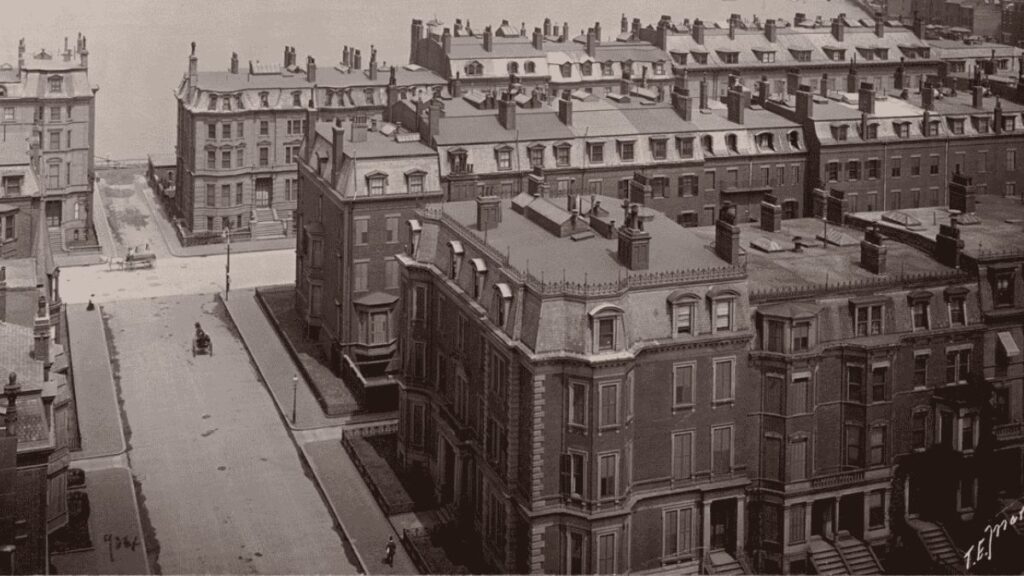
Wealthy families emerged, transforming the city’s skyline with grand mansions. These homes were symbols of affluence and status. Families such as the Cabots and Lodges became prominent figures in this era, establishing themselves as pillars of society.
This newfound prosperity also shifted social dynamics. The traditional Boston Brahmins faced competition from these industrial magnates who had made their fortunes through commerce, railroads, and manufacturing.
A cultural fusion occurred as old money mingled with new wealth. This period saw an increase in philanthropy among these families—founding libraries, museums, and universities that would shape Boston’s identity for generations to come. The blend of tradition and innovation marked a pivotal change in how Bostonians viewed success and influence.
The Gilded Age: Height of Boston Brahmin Power
The Gilded Age marked a pinnacle for the Boston Brahmin Types, characterized by opulence and influence. During this time, their wealth surged through industrial expansion and financial ventures. They transformed not just their fortunes but also the city’s landscape.
Lavish mansions sprang up in Back Bay, serving as symbols of status and prestige. Social gatherings at these homes featured intellectual discussions alongside extravagant entertainment. The cultural scene flourished under their patronage, with art galleries and theaters thriving.
Boston Brahmin Types were deeply entwined with politics during this era. Their connections shaped local and national policies, ensuring that their interests remained at the forefront. With education roots tracing back to Harvard University, they valued intellect as much as prosperity.
However, challenges arose from rising middle-class aspirations and immigrant waves reshaping society’s fabric. This dynamic led to tensions over class identity amidst growing economic disparities.
Decline of the Boston Brahmins in the 20th Century
The 20th century marked a turning point for the Boston Brahmin Types. Their once-unquestioned dominance began to wane as social, political, and economic landscapes transformed dramatically.
World War I and the Great Depression shifted priorities. New wealth emerged from industry and finance, challenging the established elite. The old guard found themselves facing competition from those who had risen through merit rather than lineage.
Cultural movements also played a role in this decline. The rise of progressive ideals diminished traditional hierarchies, while shifts in education opened doors for diverse voices previously excluded from high society.
As America grappled with civil rights and changing gender roles, many Brahmins struggled to adapt. Their influence faded amidst calls for inclusivity and social reform, leaving behind an emblematic legacy that still intrigues historians today.
Modern Day: Is the Boston Brahmin Class Still Relevant?
The Boston Brahmin Types class, once a powerful elite, has transformed in modern times. Their influence is not as pronounced as it was during the Gilded Age, yet elements of their legacy persist.
Today’s Brahmins are often recognized in cultural and academic circles. Many descendants remain committed to education and philanthropy. Institutions like Harvard and MIT still carry echoes of their ancestral ties.
However, the social landscape has changed dramatically. New wealth from tech entrepreneurs challenges the traditional power structures they established. This creates an intriguing dynamic between old money and new fortunes.
Despite this shift, some still aspire to be part of this historic elite class through connections or societal contributions. The essence of being a Boston Brahmin Types Through History: Evolution of an Elite Class may have evolved but its roots run deep within the city’s identity.
As society continues to diversify, questions arise about what it means to belong to such an exclusive lineage today.
Conclusion: Legacy and Impact on Society
The Boston Brahmin Boston Brahmin Types have left an indelible mark on American society. Their influence can be seen in many areas, from education and literature to politics and philanthropy. This elite class shaped the cultural landscape of Boston and beyond.
As they evolved through various historical phases, their values reflected broader societal changes. From the Puritan emphasis on moral rectitude to the wealth that characterized the Gilded Age, each period brought new challenges and opportunities for these influential families.
While some may argue that their relevance has waned in modern times, elements of their legacy persist. Institutions once dominated by them still play a significant role today. The spirit of philanthropy remains strong among descendants who continue to contribute to social causes.
Understanding the different types of Boston Brahmin throughout history offers insight into how privilege and power operate within society. Their story is not just about wealth or status; it’s about cultural identity and community impact—a narrative that continues to unfold even now.