
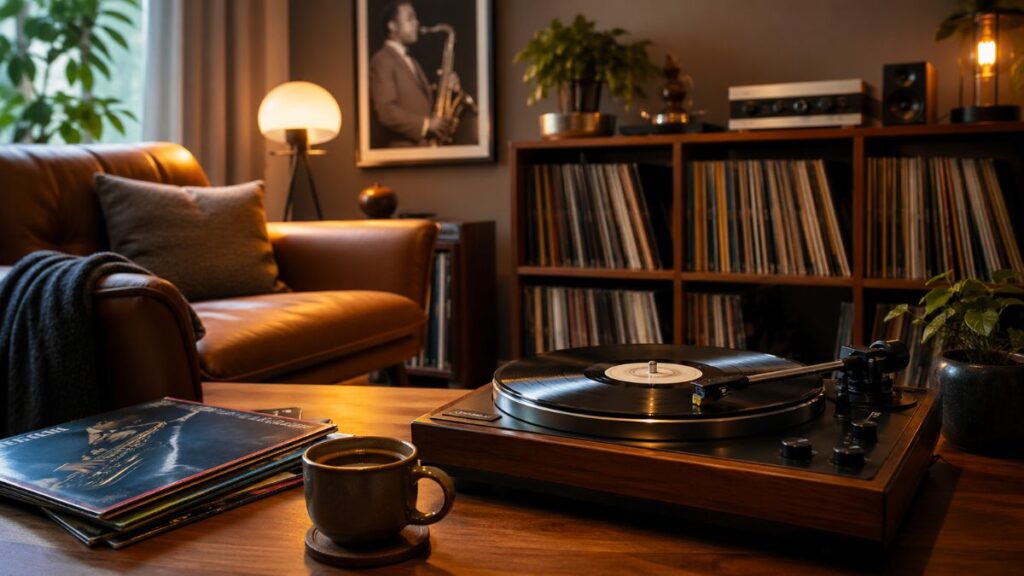
Introduction
If you’re curious about jazz but don’t know where to begin, you’re not alone. Jazz can feel overwhelming at first—with its improvisation, complex rhythms, and rich history. That’s exactly why this guide to the best jazz albums for beginners exists.
Instead of diving into the deep end, we’ll walk through approachable, iconic albums that are easy to enjoy—even if you’ve never listened to jazz before. By the end, you’ll not only have a playlist ready but also a clearer understanding of what makes jazz so special.
What Makes a Jazz Album Beginner-Friendly?
Before jumping into recommendations, it helps to know what separates beginner-friendly jazz from more advanced styles.
Key Characteristics
- Melodic and accessible tunes
- Clear structure and rhythm
- Less experimental improvisation
- Recognizable instruments (piano, trumpet, saxophone)
Quick Breakdown Table
| Feature | Beginner-Friendly Jazz | Advanced Jazz |
|---|---|---|
| Melody | Simple, memorable | Complex, abstract |
| Rhythm | Steady, predictable | Irregular, shifting |
| Improvisation | Balanced | Highly experimental |
| Listening Experience | Relaxing, engaging | Analytical, intense |
Understanding this difference helps you appreciate why certain albums are perfect starting points.
Navigator Pear: A Complete Guide to Features, Benefits, and Uses
Best Jazz Albums for Beginners
Here’s a curated list of albums that are widely considered perfect entry points into jazz. Each one offers something unique while remaining accessible.
1. Kind of Blue – Miles Davis
This album is often the first recommendation—and for good reason. It’s smooth, calming, and incredibly easy to listen to.
Why it works for beginners:
- Minimalist approach
- Relaxed tempo
- Beautiful, flowing melodies
Standout tracks:
- “So What”
- “Blue in Green”
2. Time Out – Dave Brubeck Quartet
This album introduces unusual time signatures in a way that still feels natural and enjoyable.
Why it stands out:
- Catchy rhythms
- Iconic piano melodies
- Unique yet approachable style
Must-listen:
- “Take Five”
3. Ella and Louis – Ella Fitzgerald & Louis Armstrong
If you love vocals, this is a perfect entry point. The chemistry between the singers is warm and inviting.
Why beginners love it:
- Clear lyrics
- Emotional delivery
- Simple arrangements
4. Blue Train – John Coltrane
A slightly deeper step into jazz, but still accessible thanks to its strong structure and memorable themes.
Highlights:
- Strong saxophone presence
- Balanced improvisation
- Energetic yet controlled
5. Sunday at the Village Vanguard – Bill Evans Trio
This live album captures the intimacy of a jazz performance.
Why it’s special:
- Emotional depth
- Interactive trio playing
- Calm, reflective mood
Comparing the Albums
To make your choice easier, here’s a quick comparison of these beginner-friendly albums.
| Album | Style | Mood | Best For |
|---|---|---|---|
| Kind of Blue | Modal Jazz | Relaxing | First-time listeners |
| Time Out | Cool Jazz | Playful | Rhythm lovers |
| Ella and Louis | Vocal Jazz | Romantic | Vocal fans |
| Blue Train | Hard Bop | Energetic | Slightly advanced beginners |
| Sunday at Village Vanguard | Piano Jazz | Reflective | Calm listening sessions |
How to Start Listening to Jazz (Step-by-Step)
Getting into jazz doesn’t have to be complicated. Follow this simple approach:
Step 1: Start with Familiar Sounds
Pick albums with clear melodies and slower tempos.
Step 2: Focus on One Instrument
For example:
- Piano (Bill Evans)
- Trumpet (Miles Davis)
- Saxophone (John Coltrane)
Step 3: Listen Actively
Pay attention to:
- Rhythm changes
- Improvisation
- Instrument interaction
Step 4: Build Gradually
Once comfortable, explore:
- Bebop
- Fusion
- Avant-garde jazz
Pros and Cons of Starting with Classic Jazz Albums
Pros
- Timeless music that never feels outdated
- Easier to understand structure and melody
- Widely available and well-documented
Cons
- Some recordings may feel old-fashioned
- Limited exposure to modern jazz styles
- Can create a narrow perception of jazz
Common Mistakes Beginners Make
Starting jazz can be exciting, but a few mistakes can slow your progress.
1. Jumping into Complex Jazz Too Quickly
Advanced jazz can feel confusing if you’re not ready.
2. Not Listening Actively
Jazz rewards attention—background listening won’t give you the full experience.
3. Ignoring Different Styles
Jazz isn’t just one sound. Explore variety early.
4. Expecting Instant Understanding
It’s okay if it doesn’t “click” immediately. Jazz grows on you.
Best Practices for Exploring Jazz Music
To truly enjoy jazz, adopt a few smart habits.
Build a Listening Routine
- Start with 20–30 minutes daily
- Use headphones for clarity
- Focus on one album at a time
Mix Old and New
Balance classic albums with modern artists to keep things fresh.
Attend Live Performances
Live jazz helps you understand improvisation in real time.
Keep a Listening Journal
Write down:
- Favorite tracks
- Instruments you enjoy
- Mood of each album
Jazz Listening Framework for Beginners
Here’s a simple framework to guide your journey:
| Stage | Focus Area | Recommended Action |
|---|---|---|
| Beginner | Melody & rhythm | Listen to Kind of Blue |
| Early Stage | Instruments | Explore Blue Train |
| Mid Stage | Improvisation | Try live recordings |
| Advanced | Complex styles | Explore experimental jazz |
Conclusion
Getting into jazz doesn’t have to be intimidating. With the right starting point, it becomes an enjoyable and rewarding experience. The best jazz albums for beginners are those that balance simplicity with depth—offering enough richness to keep you curious without overwhelming you.
Start slow, explore widely, and most importantly, enjoy the journey. Jazz isn’t just music—it’s a conversation, a mood, and an experience that evolves with every listen.
FAQs
1. What is the best jazz album for absolute beginners?
“Kind of Blue” is widely considered the best starting point due to its simplicity and smooth sound.
2. How should beginners listen to jazz?
Start with melodic albums, listen actively, and focus on one instrument at a time.
3. Is jazz hard to understand for beginners?
Not necessarily. Starting with accessible albums makes it much easier to enjoy.
4. How long does it take to appreciate jazz?
It varies, but most listeners begin to enjoy it after a few focused listening sessions.
5. Should beginners listen to modern or classic jazz first?
Classic jazz is usually easier to understand, but mixing both is ideal for variety.