
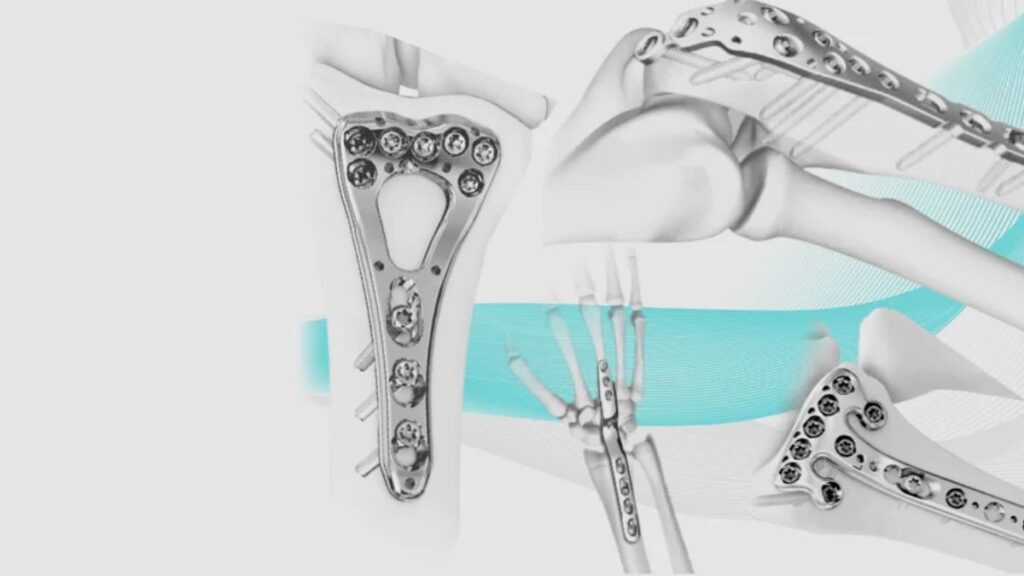
Orthopedic implants have transformed the field of medicine, offering solutions that restore mobility, alleviate pain, and significantly enhance the quality of life for millions of patients worldwide. From hip and knee replacements to spinal and shoulder implants, advancements in this field have made surgeries safer, recovery faster, and long-term outcomes more reliable.
Understanding Orthopedic Implants
At their core, orthopedic implants are medical devices designed to replace or support damaged bones and joints. They serve multiple purposes: stabilizing fractures, replacing worn-out joints, and supporting bone healing after trauma. Common examples include hip prostheses, knee replacements, plates and screws for fracture fixation, and spinal rods.
The success of these implants depends not only on the surgical technique but also on the materials used. Traditionally, implants were made of stainless steel or cobalt-chrome alloys. Today, modern implants use advanced titanium alloys, ceramics, and polyethylene, which are biocompatible and minimize wear over time.
Innovations in Orthopedic Implants
The orthopedic implant industry has seen remarkable innovation in recent years. One key advancement is 3D printing, which allows for patient-specific implants. Surgeons can now design implants that perfectly match the patient’s anatomy, improving fit, function, and comfort.
Another significant development is in coating technology. Implants are now coated with substances that promote bone growth and reduce the risk of infection. These coatings enhance integration between the implant and natural bone, leading to faster recovery and longer-lasting results.
Minimally invasive surgical techniques have also benefited from implant innovations. Smaller incisions, improved implant designs, and robotic-assisted surgeries have reduced complications, shortened hospital stays, and accelerated rehabilitation for patients.
Benefits of Orthopedic Implants
The primary benefit of orthopedic implants is pain relief. Patients suffering from osteoarthritis, rheumatoid arthritis, or severe fractures often experience debilitating discomfort. Implants restore joint function and mobility, allowing patients to return to daily activities with greater ease.
Improved quality of life is another notable advantage. A well-placed hip or knee implant can enable a patient to walk, climb stairs, and even participate in recreational activities, which would have been impossible prior to surgery.
Durability and longevity are also key considerations. Modern implants can last 15 to 20 years or more, depending on the patient’s activity level and health. Advances in materials, combined with precision manufacturing techniques, ensure these devices withstand long-term stress while maintaining performance.
The Role of Precision Engineering
Achieving the high standards required for orthopedic implants involves sophisticated manufacturing processes. Techniques like ID/OD grinding services play a crucial role in producing components with exacting tolerances. These precision engineering methods ensure that the implants fit perfectly, function correctly, and maintain structural integrity over decades of use.
Considerations and Challenges
While orthopedic implants offer significant benefits, they are not without challenges. Patients must undergo thorough pre-surgical evaluations, including imaging and physical assessments, to ensure they are suitable candidates. Post-surgery, adherence to rehabilitation protocols is critical for optimal outcomes.
Potential risks include infection, implant loosening, or wear over time. However, ongoing research, improved materials, and surgical innovations continue to reduce these risks significantly. Surgeons and medical teams also provide detailed guidance to minimize complications and maximize implant longevity.
Looking Ahead
The future of orthopedic implants is promising. Researchers are exploring smart implants equipped with sensors that monitor joint function and detect early signs of complications. Biodegradable implants are also being developed for temporary support, reducing the need for additional surgeries.
As technology continues to evolve, patients can expect implants that are more personalized, durable, and integrated with their bodies. The ongoing collaboration between engineers, material scientists, and medical professionals is shaping a new era of orthopedic care where mobility and quality of life are preserved like never before.
In Conclusion
Orthopedic implants have revolutionized modern medicine, combining advanced materials, precision engineering, and innovative surgical techniques to restore mobility and enhance lives. From pain relief to long-term durability, these implants provide a powerful solution for patients facing joint and bone challenges. With continued innovation, the future promises even more effective, personalized, and life-enhancing options for orthopedic care.