
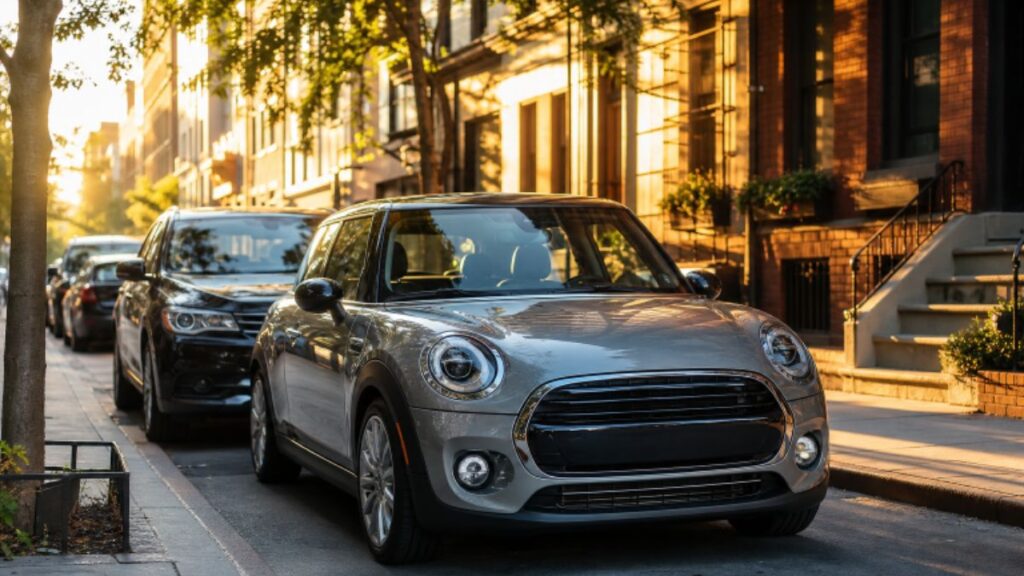
Choosing a car for city driving means thinking beyond appearance or the latest features. Busy streets, frequent stops, limited parking, short trips, and changing traffic conditions can all influence which vehicle works best. A city-friendly car should be comfortable to drive, easy to maneuver, practical for your routine, and affordable to maintain. Before comparing specific models, consider how the vehicle will fit into your commute, errands, parking situation, and typical passenger needs.
Size, visibility, fuel economy, comfort, and useful technology can all affect the everyday driving experience. It also helps to consider insurance, maintenance, and ownership costs when setting a budget. If you are comparing different options, learn more about vehicles and features that may suit your daily driving needs. A thoughtful comparison can help you choose a car that feels practical and comfortable throughout your regular city routine.
Start With Real City Driving Needs
Begin with your normal week rather than a vehicle’s appearance or trend value. Consider daily mileage, traffic delays, street versus garage parking, passenger needs, grocery runs, pets, work equipment, and weekend travel. A solo commuter may prioritize a short footprint and low running costs, while a small family may need rear-seat space and room for a stroller. A driver who regularly leaves town may accept a slightly larger vehicle for better highway comfort.
Questions To Answer Before Shopping
- How far do you drive in an average week?
- Do you need to fit into a narrow garage, alley, or assigned parking space?
- Will children, adults, pets, or bulky gear ride with you regularly?
- Do you have reliable home, apartment, or workplace charging?
Check Size And Maneuverability
Dense neighborhoods make vehicle dimensions important. Overall length affects parallel parking, while width, especially with mirrors included, can determine whether a car feels comfortable in a tight garage. Also, compare turning circle, wheelbase, ground clearance, and rear overhang. A short turning circle can make three-point turns, parking-garage ramps, and narrow side streets much easier.
The smallest choice is not automatically the most useful one. A slightly larger compact car or small SUV may offer better seating, cargo access, and sightlines without being difficult to park. The goal is to find a footprint that works where you actually drive, not simply to choose the shortest option.
Look Closely At Visibility And Parking
Good visibility can make a vehicle feel more manageable than a smaller model with thick roof pillars or a high rear window line. During a walk-around, sit in the driver’s seat and check the view over the hood, through the rear glass, and around the front pillars at intersections. Mirror placement and seat height also affect confidence in traffic.
Parking Features Worth Considering
- Rearview camera and front or rear parking sensors
- Blind-spot monitoring and rear cross-traffic alerts
- Surround-view camera systems for close quarters
- Automatic parking assistance, if it feels intuitive to use
These tools should support good habits, not replace them. Test how quickly the camera view appears, whether sensors are easy to understand, and whether the vehicle still feels controllable when backing into a tight space.
Compare Gas, Hybrid, Plug-In Hybrid, And Electric Options
Powertrain choice should follow your driving pattern. Gas vehicles remain convenient for drivers who want quick refueling and broad model availability. Hybrids can work especially well in frequent stop-and-go traffic. Plug-in hybrids suit drivers who can charge often but want the flexibility of a gasoline engine for longer trips. Electric vehicles provide quiet, smooth, low-speed driving and fewer routine engine service needs, but dependable access to charging is essential.
Before deciding, use the federal tool that lets you compare vehicles side by side for estimated energy use and efficiency. Consider local fuel and electricity prices, winter weather, highway-trip frequency, and whether your daily distance fits your charging routine.
Balance Comfort, Space, And Storage
Urban driving can involve long delays, rough pavement, and repeated short trips, so comfort still matters. Check seat support, ride quality, cabin noise, climate control, entry height, cupholders, charging ports, and easy-to-reach controls. A small hatchback may be ideal for one commuter, while a compact SUV may better handle a stroller, musical instrument, sports gear, or larger grocery loads.
Open the cargo area and assess the real shape, not just the published volume. Look for a low lift-over height, a wide opening, secure storage for smaller items, and rear seats that fold in a practical way. If possible, bring an item you regularly carry to the test drive.
Review Safety And Driver-Assistance Features
Easy parking should never outweigh safety. Review standard equipment, including automatic emergency braking, lane-departure warning, lane-keeping assistance, adaptive cruise control, blind-spot alerts, and pedestrian or cyclist detection. It is also wise to review independent vehicle safety ratings before putting a model on your final list.
Driver-assistance features are not self-driving systems. The driver remains responsible for watching the road, maintaining a safe following distance, checking mirrors, and keeping hands ready to control the vehicle.
Calculate The Full Ownership Cost
The purchase price is only one part of the decision. Compare monthly payments or cash price alongside insurance quotes, fuel or charging costs, routine maintenance, tires, brakes, registration, taxes, parking fees, tolls, likely repairs, and expected resale value. Some low-priced vehicles end up costing more over time due to high insurance premiums, poor fuel efficiency, or expensive replacement tires.
Use A Smarter Test Drive
A short dealership loop rarely answers every question. Ask to drive a route that includes slower traffic, uneven pavement, turns, intersections, and parking. Adjust the seat and mirrors first, then test tight turns, parallel parking, backing into a space, visibility at corners, road noise, and cargo access. Spend a few minutes learning the climate, camera, and infotainment controls before deciding whether they are truly easy to use.
Avoid Common Buying Mistakes
- Choosing mainly based on exterior styling or advertised horsepower.
- Ignoring vehicle width because the length seems compact.
- Assuming a larger vehicle is always safer or more comfortable.
- Focusing only on fuel-economy estimates.
- Skipping insurance quotes before purchase.
- Buying an EV without a realistic charging plan.
- Expecting parking technology to solve every tight-space challenge.
Use A Final Comparison Checklist
For each vehicle under consideration, score these categories from one to five:
- Parking: Dimensions, turning circle, cameras, sensors, and visibility.
- Comfort: Seats, ride quality, cabin noise, and climate control.
- Efficiency: Fuel or electricity use, range, and charging fit.
- Safety: Crash performance and standard driver-assistance equipment.
- Utility: Passenger room, cargo space, and folding-seat flexibility.
- Ownership: Insurance, maintenance, tires, repairs, and resale outlook.
Conclusion
Selecting the ideal car for city driving simplifies everyday commuting while avoiding new trade-offs. Evaluate actual measurements, parking assurance, safety features, comfort level, engine compatibility, and overall ownership expenses prior to making your final decision. The best choice isn’t always the tiniest or latest model; it’s the one that suits your streets, available parking, budget, and daily habits.