
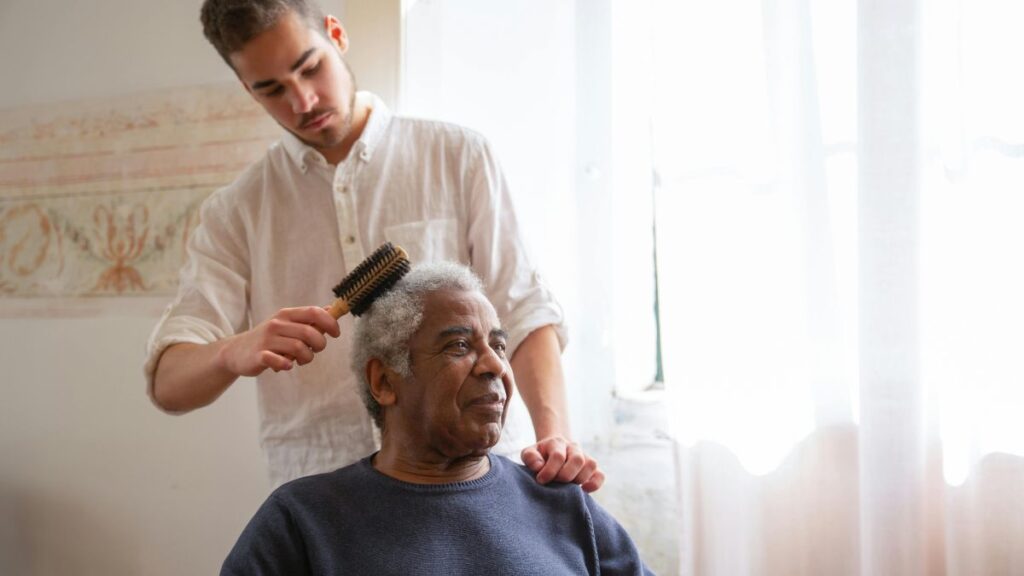
As they age, most seniors prefer staying in their own homes, valuing the comfort and familiarity of their surroundings. But achieving that goal doesn’t rely solely on stairlifts and medical alert systems. The most effective tools for preserving independence are often already in the kitchen, the garden, or the closet.
From preparing a simple meal to sorting daily mail, small tasks serve as low-stakes resistance training for both mind and body. They build the strength, coordination, and cognitive resilience needed to navigate life without constant assistance.
In this article, we’ll explore why encouraging daily habits, not taking over, best supports seniors’ autonomy, safety, and sense of self.
Building Routine With Everyday Activities
Establishing routines through everyday tasks helps seniors maintain independence and confidence. Activities like dressing, cooking, and light cleaning support mobility, coordination, and cognitive engagement. Consistency reduces confusion, builds mental clarity, and provides structure. Constant routines establish a resilient base, significantly improving long-term physical strength and emotional stability.
Maintaining independence does not mean seniors must manage everything alone. Professional support can reinforce routines without reducing autonomy. Thoughtfully designed senior care services assist only where needed, such as reminders, safety checks, or demanding tasks. This approach encourages seniors to remain actively involved, preserving confidence, dignity, and daily self-reliance.
The key lies in balancing assistance with self-reliance. Empowering support helps seniors build confidence and maintain dignity without replacing effort.
AmeriBest Home Care notes that recent studies show in-home care is often more affordable than nursing homes. It also enhances safety for seniors. Additionally, remaining at home promotes comfort, familiarity, and greater overall happiness among the elderly.
Strengthening Physical Abilities Through Simple Movements
Simple daily movements help seniors preserve strength, balance, and mobility. Activities like walking, stretching, or standing from a chair maintain muscle function and flexibility. These efforts reduce stiffness, improve circulation, and enhance coordination. These elements collectively prevent falls while providing a foundation for lifelong autonomy.
Data from Physiopedia reveals that roughly 30% of adults over 65 experience a fall annually. Fortunately, regular exercise, which includes balance, gait, and strength training, effectively reduces these injuries. Integrating these movements into a home routine or group setting is a powerful way to bolster physical stability and maintain daily independence.
Enhancing Cognitive Function Through Engagement
Staying mentally active through daily engagement helps preserve cognitive function in seniors. Tasks like reading, puzzles, and planning stimulate thinking and memory. Social interactions further support emotional health and mental sharpness. Regular mental activity sharpens focus, enhances problem-solving abilities, and significantly lowers the risk of long-term cognitive decline.
The Guardian reports that engaging in intellectually stimulating activities like reading, writing, or learning new languages lowers Alzheimer’s risk. Maintaining these daily routines also helps delay age-related cognitive impairment. Research suggests such activities can reduce the risk of dementia by nearly 40%, supporting stronger, long-term mental function and independence.
Boosting Confidence and Emotional Well-being
Engaging in small daily tasks boosts seniors’ confidence and emotional well-being. Activities like making the bed or preparing meals create a sense of accomplishment and purpose. These achievements reinforce self-worth and control. Staying involved in routines also reduces isolation and dependency, supporting a more positive and independent outlook on life.
Research published by MDPI highlights that technological proficiency significantly bolsters self-esteem by enhancing self-efficacy and social participation. Conversely, struggling with modern tools can lead to frustration and social exclusion, diminishing a senior’s sense of autonomy. Mastering these digital “daily tasks” is therefore essential for maintaining psychological well-being and confidence.
Encouraging Safe and Adaptive Living Practices
Creating a safe and adaptive living environment is essential for helping seniors maintain independence while minimizing risks. Minor household modifications can dramatically enhance everyday safety. Specifically, installing bathroom grab bars offers essential extra support and prevents dangerous slips. Improving lighting helps prevent accidents, especially in hallways and staircases.
Removing tripping hazards and using assistive devices make everyday tasks safer and significantly easier to manage. These practical changes allow seniors to perform activities confidently with a reduced fear of injury. Furthermore, encouraging mindful movement during routine tasks promotes long-term safety and personal independence.
Supporting Long-Term Independence Through Consistency
Repeating simple tasks like hygiene, regular meals, and physical activity reinforces muscle memory and cognitive patterns effectively. Consistently practicing these routines builds a natural rhythm, minimizing the need for outside help while fostering lasting personal stability. Constant habits also make it easier to identify changes in health or ability, allowing for timely intervention.
The Stanford Report emphasizes that consistent nutrition is vital for maintaining senior independence and muscle mass. To maintain strength, healthy seniors should daily consume 1.0 to 1.3 grams of protein for every kilogram of body weight. Adopting a Mediterranean-style diet further reduces chronic disease risks, ensuring seniors stay active rather than becoming frail.
Frequently Asked Questions
What signs show a senior may need additional support?
Key signs a senior needs support include frequent forgetfulness, poor hygiene, and mobility issues. Unexplained weight loss, increased isolation, and confusion are also significant red flags. Similarly, safety concerns like missed medications or frequent falls indicate it may be time to introduce professional care.
How does staying socially active help seniors remain self-reliant?
Social interaction is vital for independence, supporting emotional health and cognitive function. Regular engagement reduces loneliness and boosts the confidence needed for daily activities. Likewise, a strong support network provides mental stimulation, helping seniors remain self-reliant and socially connected.
Are there specific habits that support long-term independence?
Habits like staying active, maintaining routines, and eating balanced meals support long-term independence. Proper medication management and mental engagement also preserve cognitive function. Also, regular social interaction, quality sleep, and organized living spaces help seniors maintain mobility and well-being as they age.
Small Steps, Lasting Independence
Preserving independence in later years does not rely on major changes, but on the consistent practice of small, meaningful daily tasks. From maintaining routines and staying active to engaging the mind and nurturing emotional well-being, each action builds a stronger, more self-reliant lifestyle.
By encouraging safe habits, promoting consistency, and offering balanced support when needed, seniors can continue to lead fulfilling and independent lives. Ultimately, it is these small, everyday efforts that create a lasting foundation for dignity, confidence, and quality of life.