
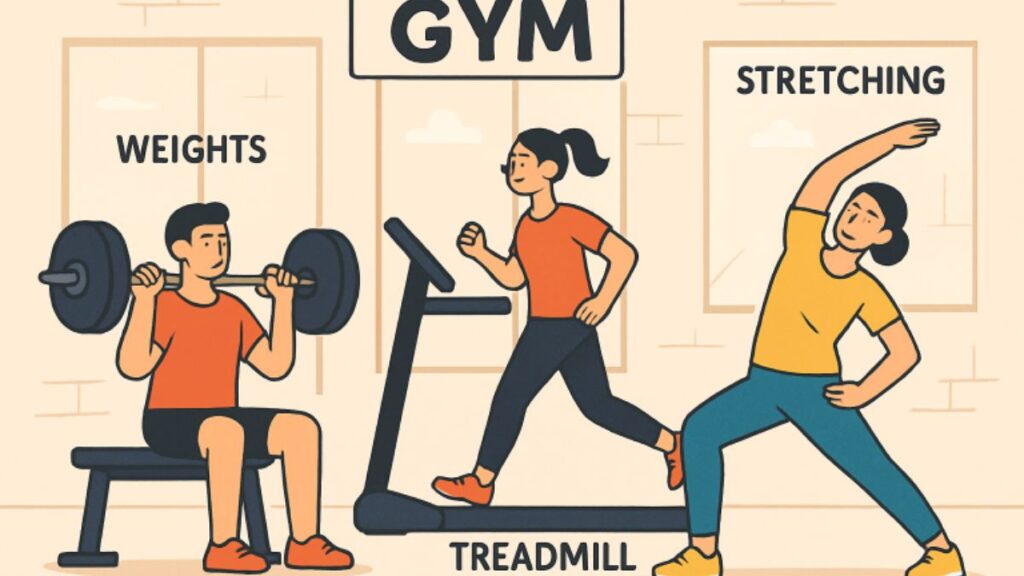
Regular exercise at the gym is not just about building muscle or losing weight. As part of a holistic wellness routine, it unlocks a cascade of physical and mental health benefits that can reshape your quality of life. From boosting heart health to sharpening memory and lifting your mood, gym workouts deliver profound improvements. For those interested in setting up or upgrading their workout space, proper gym flooring can also make a significant difference in comfort and performance.
Making time for the gym means investing in your body and mind. The gains extend well beyond aesthetics, supporting a healthier heart, stronger bones, and even more restful sleep. Whether you are managing stress or seeking ways to stay mentally sharp as you age, regular exercise supports all these dimensions. As scientific research continues to uncover deeper links between activity and health, it is clear that a consistent workout routine is essential.
Physical Health Benefits
Working out consistently at the gym strengthens your body in many important ways:
- Weight Management: Regular physical activity helps manage and maintain a healthy weight by burning calories and increasing metabolism. The type, intensity, and duration of gym exercises play crucial roles in how many calories you burn each session.
- Muscle and Bone Strength: Lifting weights and resistance training improve muscle mass and bone density, reducing the risk of injuries, osteoporosis, and muscle loss with age (sarcopenia).
- Chronic Disease Prevention: Numerous studies show that consistent exercise lowers the risk of major chronic illnesses, including heart disease, type 2 diabetes, and some forms of cancer, by supporting cardiovascular and metabolic health.
Another critical component is joint health. Strengthening muscles around the joints through resistance training or functional exercises provides additional support and stability, reducing the likelihood of injury during daily activities or sports. Improvements in flexibility through stretching routines can further ease joint movement, alleviate stiffness, and reduce discomfort, especially for those suffering from arthritis. Many people also experience better posture as they work on their core and back muscles, which helps prevent chronic pain and improves overall mobility.
Mental Health Enhancements
Exercising at the gym goes well beyond the physical. The mental and emotional benefits are substantial:
- Alleviating Depression and Anxiety: Physical activity increases the production of endorphins and serotonin—brain chemicals responsible for promoting feelings of happiness and well-being—which lowers symptoms of depression and anxiety.
- Boosting Self-Esteem: Achieving fitness milestones, whether lifting heavier weights or running longer distances, builds confidence and enhances self-image.
- Enhancing Sleep Quality: Those who exercise regularly tend to fall asleep faster and experience deeper, more restorative sleep, leading to improved daytime alertness and reduced anxiety.
In addition, group workouts or fitness classes foster a sense of social connection and community. Feeling supported and connected to others with similar goals has a positive effect on mental health, reducing feelings of isolation and providing encouragement during tough times. Over time, the regular achievement of fitness goals can empower individuals, improving their outlook on life and nurturing a resilient mindset.
Exercise and Brain Function
Physical activity directly impacts the brain. It increases levels of brain-derived neurotrophic factor (BDNF), a key protein necessary for the growth of new brain cells and synapses. This process improves neuroplasticity, helping you learn faster and remember more. Additionally, aerobic exercise boosts blood flow to the brain, delivering crucial nutrients and oxygen that keep the mind sharp and healthy.
Emerging research also suggests that regular physical exercise may delay the onset of age-related cognitive decline. Not only does it foster creativity and concentration, but it may also aid in managing symptoms of attention-deficit/hyperactivity disorder (ADHD) and other cognitive disorders. Thus, working out at the gym can become part of a proactive strategy to preserve long-term brain health.
Stress Reduction and Mood Improvement
Stress is unavoidable, but how you manage it makes a world of difference. Regular physical activity helps regulate stress hormones like cortisol and adrenaline, which reduces physical and emotional tension. Intense workouts trigger endorphin release, giving you an almost immediate mood lift that can last for hours afterward—a phenomenon often called a “runner’s high.” Regular gym sessions create a stronger foundation for emotional resilience, helping you cope with life’s challenges more effectively.
Cognitive Function and Memory
Exercise has a protective effect on brain health over time. Consistent physical activity improves various aspects of cognition, including memory, focus, and problem-solving ability. Research indicates that those who engage in routine exercise are less likely to experience cognitive decline and are at reduced risk for neurodegenerative diseases such as Alzheimer’s disease. The brain benefits apply to all ages, making exercise a lifelong investment in mental acuity.
Recommended Exercise Guidelines
To gain significant health benefits, the American Heart Association and World Health Organization recommend at least 150 minutes per week of moderate-intensity aerobic exercise or 75 minutes of vigorous-intensity exercise, combined with muscle-strengthening activities on two or more days per week. Activities like brisk walking, cycling, swimming, or using gym equipment all count toward these guidelines.
Remember that it is always wise to consult a healthcare professional before beginning a new workout regimen, especially for individuals with existing health conditions or concerns. Gradually building intensity can help prevent injury and allow for safe, sustainable progress as you develop your new gym routine.
Practical Tips for Incorporating Exercise
- Set Realistic Goals: Start with small, measurable targets and gradually increase them to foster a sense of achievement and maintain motivation.
- Choose Enjoyable Activities: Find activities you enjoy to increase adherence to your workout routine, whether it is dance classes, cycling, or weightlifting.
- Incorporate Variety: Mix up your workouts to prevent boredom and ensure a full-body approach. Variety also reduces the risk of overuse injuries.
- Schedule Regular Sessions: Treat gym time as you would any important appointment and block it off in your calendar to stay consistent.
- Seek Support: Join fitness classes or work out with a partner for added motivation and accountability. Social support is linked to better long-term exercise adherence.
Tracking your progress with an app or fitness diary can further enhance motivation and reveal patterns that help fine-tune your approach. Remember, even small steps—like taking the stairs or walking on your lunch break—reinforce healthy habits. Celebrate milestones along the way, no matter how minor, as each one is a building block for lasting health and confidence.
Conclusion
Regular workouts at the gym are a powerful way to upgrade both body and mind. They lead to stronger muscles and bones, help manage weight, enhance mood, reduce stress, and sharpen thinking skills. By making exercise a habitual part of your week and creating a supportive environment, you take an active step toward a healthier, more fulfilling life.