
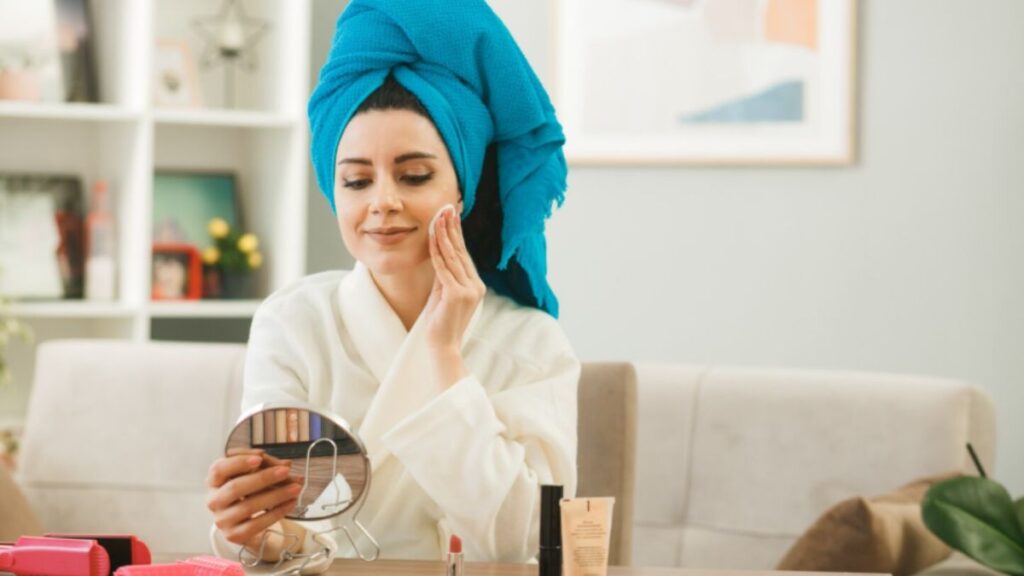
If you have ever stood in front of a shelf—or scrolled through an online store—staring at dozens of serums, cleansers, and moisturisers without knowing where to start, you are not alone. Skincare can feel overwhelming, especially when most of the advice floating around the internet is written for climates and skin types that have very little in common with what we deal with in Pakistan. Humidity that makes your face feel like a sponge in Karachi, dry winter air in Islamabad, relentless UV exposure year-round—our skin has its own set of challenges, and the routine needs to match.
Understanding Your Skin in Pakistan’s Climate
Before layering on products, it helps to understand what Pakistani weather actually does to skin. In coastal cities like Karachi, humidity levels regularly exceed 70 percent during summer months, which can trigger excess oil production and clogged pores even in people who do not normally have oily skin. Northern cities like Peshawar and Quetta experience harsh, dry winters that strip moisture from the skin barrier. And everywhere in between, UV index values frequently hit 8 or above from March through October—well into the “very high” category.
Pollution adds another layer of complexity. Lahore’s air quality index regularly enters hazardous territory during winter, while Karachi’s traffic-generated particulate matter settles on skin throughout the day. These environmental aggressors accelerate oxidative stress, contribute to dullness, and can worsen conditions like acne and hyperpigmentation—which is already one of the most common skin concerns among South Asian women and men.
Step 1: Cleanser — The Foundation
A good cleanser removes dirt, oil, sunscreen residue, and pollutants without stripping the skin’s natural moisture barrier. For oily and combination skin types—common in Pakistan’s humid zones—a gel or foaming cleanser with salicylic acid works well. Dry or sensitive skin types benefit more from cream-based or micellar cleansers that hydrate while cleansing. Double cleansing, a technique popularised by Korean skincare, is worth adopting if you wear sunscreen daily (which you should). Use an oil-based cleanser first to dissolve SPF and makeup, followed by a water-based cleanser for a thorough but gentle finish.
Step 2: Toner — Balancing Act
Toners have evolved well beyond the harsh, alcohol-laden formulas that older generations associate with the word. Modern toners are hydrating, pH-balancing preparations that prep the skin to absorb subsequent products more effectively. Look for ingredients like hyaluronic acid for hydration, niacinamide for pore refinement and oil control, or witch hazel for gentle astringent properties. In Pakistan’s heat, a lightweight hydrating toner can replace heavier serums during summer months without sacrificing moisture.
Step 3: Treatment — Targeting Specific Concerns
This is where your routine becomes personal. If hyperpigmentation or dark spots are a concern—and they are for a significant portion of Pakistani consumers—vitamin C serums and alpha arbutin are effective actives with strong clinical backing. For acne-prone skin, retinoids remain the gold standard, though they require careful introduction and consistent sunscreen use. Those dealing with dehydration will benefit from hyaluronic acid serums, ideally applied to damp skin to maximise absorption.
The availability of these active ingredients has improved dramatically in Pakistan over the past three years. International brands like The Ordinary, CeraVe, and Neutrogena are now widely stocked, while Pakistani brands like Conatural and Hemani have introduced affordable alternatives. Many of the best skincare products Pakistan consumers rely on are now accessible through online platforms that stock both local and imported options, making it far easier to build a routine without hunting across multiple stores.
Step 4: Moisturiser — Locking It In
Even oily skin needs moisture—skipping this step actually signals the skin to produce more oil to compensate. The key is choosing the right texture. Gel-based moisturisers work beautifully in humid conditions, while cream-based formulas are better suited for dry skin or winter months. Ingredients like ceramides, squalane, and glycerin support the skin barrier and improve long-term hydration. Apply while the skin is still slightly damp from your toner or serum to trap moisture effectively.
Step 5: Sunscreen — Non-Negotiable
This is the single most important step in any skincare routine, and it is especially critical in Pakistan. UV radiation is the primary driver of premature ageing, hyperpigmentation, and skin damage—and it penetrates clouds, windows, and even light clothing. SPF 30 is the minimum; SPF 50 is ideal for daily use. Broad-spectrum protection against both UVA and UVB rays is essential.
The old complaint that sunscreens feel heavy, greasy, or leave a white cast has largely been addressed by newer formulations. Japanese and Korean sunscreens, many of which are now available in Pakistan, offer lightweight, cosmetically elegant textures that work well under makeup. Pakistani consumers have also started adopting the practice of reapplying sunscreen every two to three hours—a habit that seemed excessive a few years ago but is now widely recommended by dermatologists.
Building Consistency
The most effective skincare routine is one you actually follow. Start with the basics—cleanser, moisturiser, sunscreen—and introduce actives one at a time, allowing your skin two to three weeks to adjust before adding anything new. Take photos in consistent lighting to track progress, because changes in skin texture and tone are gradual and easy to miss day to day. And remember that no product replaces adequate sleep, hydration, and a reasonably balanced diet. Skincare works best when it complements a lifestyle that supports skin health from the inside out.