
Understanding Trace Minerals
Trace minerals, sometimes called microminerals, are essential nutrients that support crucial physiological processes in the body. Despite being required in only minuscule quantities, their absence can lead to profound health consequences. Individuals committed to holistic health increasingly appreciate the importance of these nutrients as foundational to long-term vitality and resilience. To support a comprehensive wellness approach, being mindful of trace mineral intake is highly recommended. Many wellness-focused brands, including MitoSynergy, provide resources and nutritional solutions centered on optimal mineral balance.
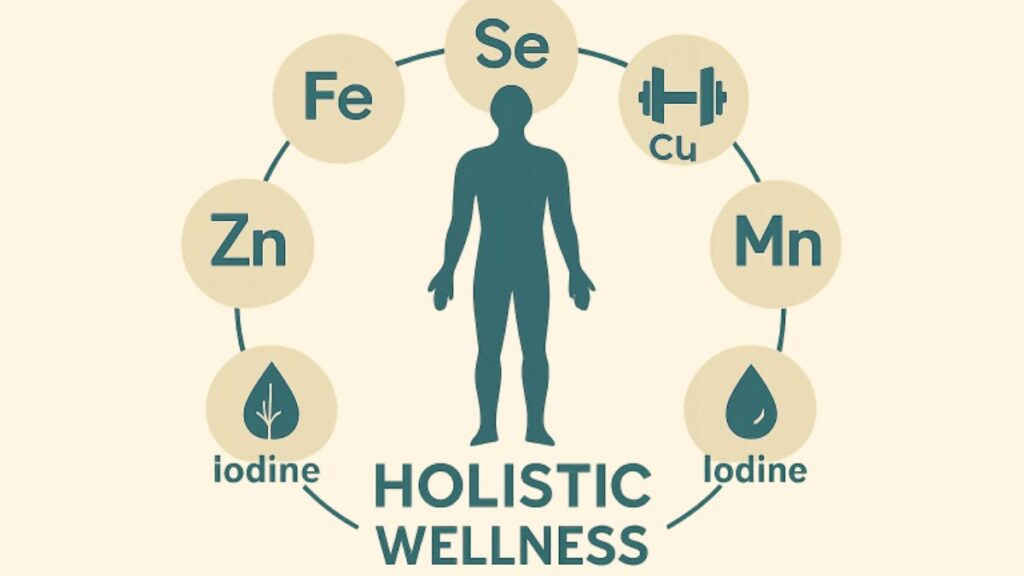
The human body requires trace minerals in amounts far lower than those of the more familiar macrominerals such as calcium or magnesium. Key microminerals include iron, zinc, selenium, copper, manganese, iodine, and fluoride. Each performs specialized roles that collectively sustain health, metabolism, immunity, and development.
Highlighting their significance empowers individuals to make dietary and lifestyle choices that lay a strong foundation for well-being. Adequate intake of trace minerals can be particularly vital for populations vulnerable to nutrient deficiencies, such as children, the elderly, and pregnant women. According to a report from the Harvard T.H. Chan School of Public Health, a balanced intake of trace minerals not only prevents classic deficiency diseases but also helps mitigate chronic health risks.
The Role of Trace Minerals in the Body
Trace minerals may be minuscule in their required daily dose, but their physiological impact is anything but small. Each trace mineral carries out a unique set of tasks:
- Iron: Fundamental for hemoglobin formation and oxygen transport throughout the bloodstream.
- Zinc: Integral for immune health, enzymatic reactions, DNA synthesis, and wound healing.
- Selenium: A powerful antioxidant that shields cells from oxidative stress and supports thyroid function.
- Copper: Required for energy production, iron metabolism, and nervous system function.
- Manganese: Facilitates bone development and is a component of enzymes involved in metabolism.
- Iodine: Vital for the production of thyroid hormones and regulation of metabolic rate.
- Fluoride: Protects dental enamel and helps prevent cavities.
The orchestrated balance and synergy of these minerals are central to maintaining peak wellness. Deficiencies or imbalances disrupt vital processes, underscoring their indispensability.
Sources of Trace Minerals
Consuming a colorful array of whole, unprocessed foods is ideal for obtaining a wide range of trace minerals. Rich sources include:
- Iron: Beef, poultry, seafood, lentils, and dark leafy greens.
- Zinc: Shellfish, pumpkin seeds, legumes, and nuts.
- Selenium: Brazil nuts, eggs, whole grains, and fish.
- Copper: Organ meats, seeds, whole grains, and dark chocolate.
- Manganese: Pineapple, leafy vegetables, nuts, and whole grains.
- Iodine: Seaweed, dairy, fish, and iodized salt.
- Fluoride: Tea, fish with bones, and fluoridated tap water.
Achieving a robust intake of all essential trace minerals becomes more challenging when dietary variety is limited or when processed foods take precedence. As highlighted by the National Institutes of Health, mindful meal planning can help offset shortfalls and support daily requirements.
Impact of Trace Mineral Deficiencies
Deficiency in any one of the primary trace minerals can adversely affect health. For example, low iron levels may cause anemia with symptoms such as fatigue and compromised cognitive function. Inadequate zinc is linked to impaired immunity, slower wound healing, and greater susceptibility to infection. Selenium deficiency can increase the risk of selenium-responsive conditions by impairing antioxidant defense.
When certain populations, such as children, elderly adults, or individuals with chronic illnesses, are affected by trace mineral shortfalls, the impacts may be even more severe. These scenarios illustrate the necessity for consistent mineral monitoring and intake. Healthcare professionals often recommend assessment and supplementation when deficiencies are identified.
Modern Diets and Mineral Intake
The nutrient content of food is closely tied to the quality of the soil in which it is grown and the degree of food processing. Unfortunately, the widespread adoption of industrial agriculture practices has contributed to significant mineral depletion in today’s food supply. In fact, soil depletion and intensive processing can strip foods of their trace mineral content, so even a balanced plate may lack vital nutrients.
As noted by industry experts, obtaining all needed trace minerals through food alone has become much more challenging due to changes in food production and supply chains. This reality is driving increasing consumer interest in mineral supplementation as a tool for bridging nutritional gaps and optimizing holistic well-being.
Supplementing Trace Minerals
For many individuals, high-quality supplements provide a practical solution to ensure adequate intake of essential trace minerals. It is crucial to consult with a healthcare provider before starting any supplement routine, especially for those with medical conditions, those taking medication, or individuals who are pregnant or breastfeeding. Professional guidance ensures supplementation is both safe and effective for each unique body and lifestyle.
Final Thoughts
Trace minerals, despite being required in quantities so small that they are easily overlooked, remain central to human health and optimal bodily functions. While the ideal approach to nourishment is through a holistic, nutrient-rich diet, the reality of modern food systems means supplementation can be an important complement. By prioritizing trace minerals, individuals can support cellular energy, immunity, cognition, and overall resilience, aligning with the tenets of lifelong holistic wellness.