
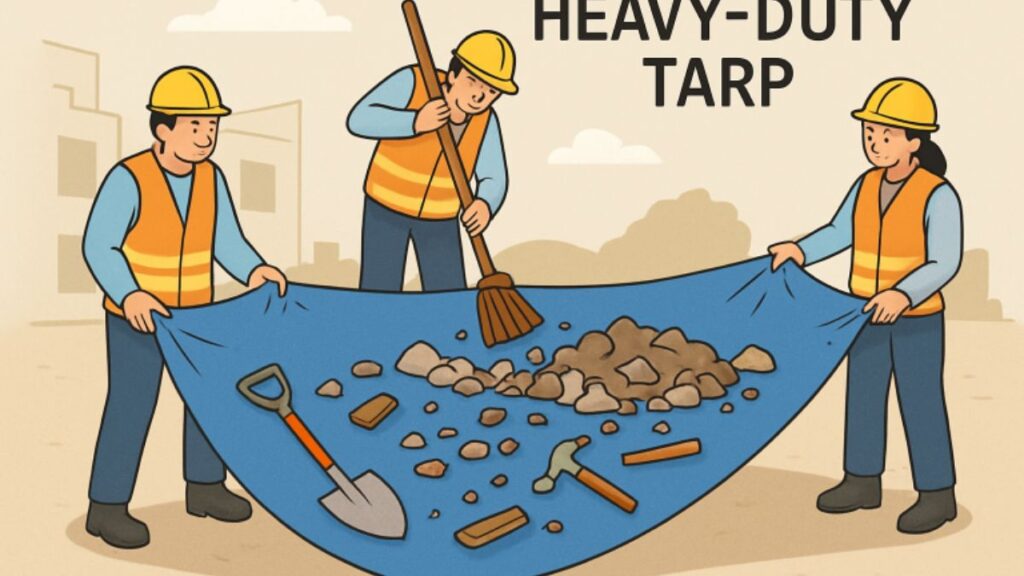
Managing waste effectively on construction sites is vital for workplace safety, regulatory compliance, and environmental stewardship. Among the most practical solutions are heavy-duty debris tarps, which play a significant role in improving job-site organization and sustainability. These tarps, especially when chosen for tough landscaping or construction environments, make the collection, containment, and removal of debris much more manageable. For instance, a product like a landscaping debris tarp is well-suited for quickly and safely collecting waste, preventing hazardous materials from being left on site, and reducing the potential for accidents.
On busy worksites, loose debris can pose numerous hazards, not only to workers but also to equipment and the environment. By using heavy-duty tarps, project managers can confidently address these concerns, knowing their teams are working in cleaner, more efficient settings. Tarps provide an essential barrier, controlling the spread of waste and allowing for the easy transport of materials to designated disposal areas, which supports the overall flow of construction or landscaping projects.
Enhancing Safety on the Job Site
Job sites are inherently hazardous, and construction debris is a primary contributor to unsafe conditions. Piles of materials can lead to slips, trips, and falls, which are among the most common workplace injuries according to the Occupational Safety and Health Administration (OSHA). Covering loose waste with a thick debris tarp keeps it secured in one area, minimizing risks not only to personnel but also to onsite equipment and vehicles. Secured tarps are especially critical in windy environments, preventing materials like sawdust, nails, or insulation from being scattered and creating additional hazards.
Boosting Efficiency in Waste Management
Efficient waste removal can significantly impact a project’s timeline and budget. Debris tarps allow workers to rapidly collect, contain, and transport job-site waste to centralized disposal points. This systematizes cleaning routines, which reduces the overall time required for cleanup. It also limits the number of trips needed to move debris, further reducing labor and fuel costs. In high-volume projects, time saved during cleanup can be reallocated to core project tasks, resulting in faster project turnover and a more streamlined workflow.
Promoting Environmental Sustainability
The construction industry is responsible for a large portion of landfill waste each year, but strict management practices can mitigate much of this environmental impact. Heavy-duty tarps make it easier to sort and segregate debris at the source. Construction teams can use different tarps for various types of waste, thereby improving recycling rates for materials such as metals, concrete, and wood. According to the U.S. Environmental Protection Agency (EPA), such separation is essential for sustainable job site operations and can help organizations reduce disposal fees while demonstrating environmental responsibility.
Choosing the Right Debris Tarp
Not all debris tarps are created equal. Factors like material strength, water resistance, durability, size, and lifting aids should be considered. For heavy or sharp waste, reinforced vinyl or polyethylene tarps provide better durability and tear resistance. Custom features, such as strong lifting loops, reinforced corners, and UV resistance, extend the life of a tarp even under the harshest conditions. Wall height and fitting are additional considerations to ensure the tarp contains all debris with minimal risk of overflow.
Best Practices for Using Debris Tarps
- Frequent Inspections: Regularly inspect tarps for damage to maintain their containment effectiveness.
- Secure Fastening: Always anchor tarps properly, especially in open or windy areas, to prevent unwanted movement or blow-offs.
- Appropriate Sizing: Use tarps that match or slightly exceed the area being covered to maximize containment and reduce the risk of debris spillage.
Following these practices ensures the longevity and reliability of your tarps and also helps crews adhere to onsite safety and cleanliness standards.
Regulatory Compliance and Debris Management
Construction and demolition waste management is increasingly regulated, with local authorities setting stringent requirements for transportation and disposal. Many states and municipalities require all loads to be secured with a tarp before being moved offsite, with penalties for noncompliance. Staying up to date with laws, such as those outlined on the OSHA website, not only protects companies from costly fines but also reinforces their reputation for safety and responsibility in the industry.
Case Studies: Successful Implementation
Field data shows that construction and landscaping companies that use heavy-duty debris tarps have experienced fewer onsite injuries, damage claims, and delays. One landscaping business, for example, began using robust tarps to transport tree cuttings and grass clippings, slashing cleanup times by 30 percent and reducing strain-related worker injuries. On commercial job sites, general contractors report improved containment of drywall scraps and insulation, with recycling rates jumping substantially. These real-world results support the strategic use of debris tarps for jobs of all sizes and waste profiles.
Conclusion
Integrating heavy-duty debris tarps into job-site procedures offers clear benefits for safety, efficiency, and environmental sustainability. Selecting the right tarp, maintaining it, and following established best practices can lead to substantial improvements in waste management. By adopting these simple yet effective tools, construction and landscaping professionals can not only streamline cleanup but also contribute to a cleaner, safer, and more sustainable working environment.