Keeping up with your home’s electrical needs is crucial for both safety and comfort. Aging systems can quickly become overwhelmed by modern technology, new appliances, and lifestyle changes. Updating your electrical system improves energy efficiency and prepares your home for future innovations. For homeowners considering electrical upgrades, working with a trusted local provider like Capitol Hill Electric ensures that the work is completed safely and in compliance with current standards.
Modernizing your electrical system supports innovative technologies, renewable energy, and increased energy requirements. Upgrades not only facilitate the adoption of eco-friendly solutions but also provide peace of mind by minimizing hazards such as faulty wiring and overloaded panels. A forward-thinking approach can result in reduced energy bills and improved home value while also contributing to a greener future.
Recognizing the Need for Electrical Upgrades
Many homes built before 1990 use electrical infrastructure that does not meet current safety or efficiency standards. Outdated wiring is susceptible to overheating, corrosion, and short circuits, increasing the risk of electrical fires. Furthermore, systems lacking proper grounding and modern protection devices can fail to prevent electrical shock hazards, especially when supporting today’s energy-hungry appliances.
Common warning signs include frequent circuit breaker trips, flickering lights, discolored outlets, and insufficient available power for new devices. Ignoring these symptoms not only reduces comfort but can cause costly damage to appliances and present a serious safety risk to your family.
Upgrading to a 200-Amp Service Panel
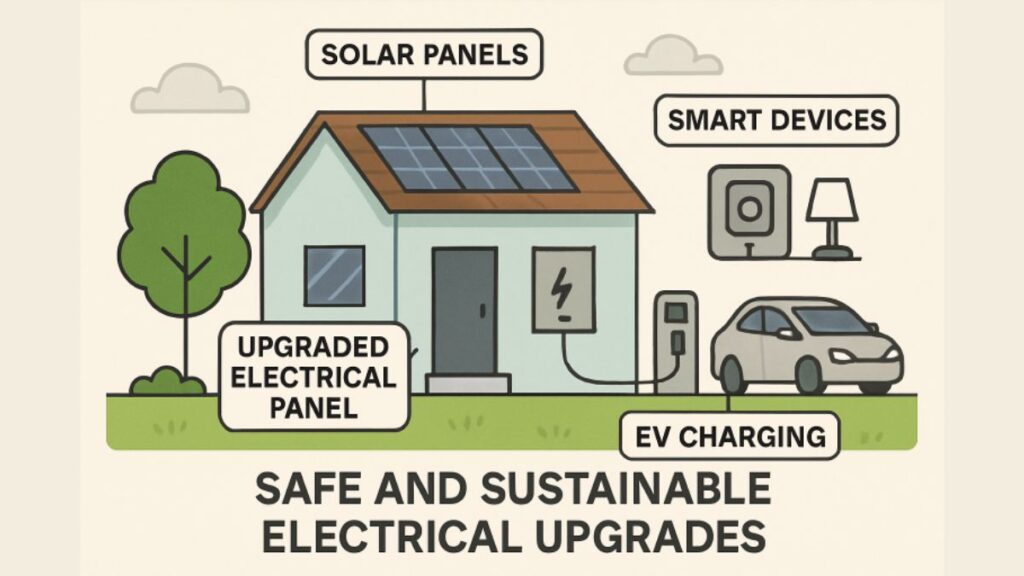
With households now relying on large HVAC units, kitchen appliances, smart TVs, and charging stations, a 200-amp service panel has become the standard for modern living. This upgrade increases the total amount of electricity your home can safely draw from the grid, reducing overloads, permitting future additions, and complying with insurance or lending requirements for many home sales. Residential electrical codes often require service panels to be large enough to support current and anticipated loads, so upgrading also ensures compliance with legal standards set by agencies such as the National Fire Protection Association.
A full panel upgrade involves removing the outdated unit, installing new breakers, upgrading wiring, and potentially enhancing the meter box. These steps ensure your system operates safely as your household’s electricity demands grow.
Integrating Smart Home Technology
More homeowners are installing smart thermostats, advanced lighting, voice-controlled assistants, and home automation systems. These investments offer convenience, enhanced security, and real-time control of your home’s energy consumption. AI-enabled technologies can automate everything from HVAC settings to lighting, further reducing wasted energy and adapting to your family’s routine.
Smart systems also provide added safety features, such as leak detection, surveillance, and remote monitoring, helping homeowners prevent damage while away. According to the New York Times Wirecutter, smart home ecosystems not only improve the quality of life but may also generate savings through improved energy efficiency and proactive maintenance alerts.
Incorporating Renewable Energy Solutions
As solar installations and battery storage systems become more affordable and available, preparing your electrical system for renewable energy integration is a smart decision. Pre-wiring your home for solar panels and battery banks saves on costly rewiring as technology advances. It also positions your property to take advantage of government incentives, local rebates, and future technological breakthroughs.
Sustainable upgrades such as solar-ready panels, dedicated circuits for electric vehicle charging, and battery backup connections increase both your home’s survivability during outages and its resale value. Buyers are increasingly seeking homes with these resilient, eco-friendly features as environmental consciousness continues to grow.
Regular Electrical Inspections and Maintenance
Annual or biannual electrical inspections performed by licensed professionals are critical for identifying and fixing aging components, exposed wires, overheated outlets, and deteriorating insulation. During an inspection, technicians check the main service panel, wiring, and load integrity in compliance with local safety codes. Preventive maintenance, such as tightening connections, testing safety devices, and replacing failing components, helps prevent both minor interruptions and dangerous failures.
Proactive upkeep not only keeps your household safe but also helps avoid unplanned repairs and equipment replacements, ultimately saving money and hassle over time.
Conclusion
Keeping your home’s electrical system up to date is essential for safeguarding your family, property, and long-term investments. Identifying early warning signs such as flickering lights, frequent breaker trips, or outdated wiring helps prevent hazards before they escalate. Strategic upgrades to panels, outlets, and wiring improve reliability while supporting today’s technology-heavy lifestyles. Incorporating innovative and energy-efficient solutions enhances safety, reduces utility costs, and promotes sustainability. Regular professional inspections ensure compliance with codes and catch hidden issues early. Together, these proactive steps prepare your home for future demands, increase efficiency, and deliver lasting peace of mind through dependable, modern, and resilient electrical infrastructure that supports comfort, reliability, safety, and confidence for homeowners everywhere.