Excavation is the backbone of most building projects, responsible for shaping land and preparing sites for safe, reliable construction. The process involves removing various materials from the earth’s surface and subsurface to create stable ground for structures, streets, and landscaping features. Professional excavation services use specialized techniques tailored to project needs, soil conditions, and environmental concerns, making method selection a critical decision.
From residential homes to massive infrastructure projects, different excavation types are employed to achieve distinct goals. Each approach addresses unique site challenges, such as soil instability, underground obstructions, or water management. Knowing these variations allows property owners and project managers to make informed decisions about site work, budget allocation, and safety protocols.
Excavation not only ensures that buildings and landscapes are built on a solid foundation but also helps control issues such as soil compaction, erosion, and water drainage. Improper excavation can lead to structural failures, unnecessary delays, or damage to existing utilities. Thorough planning and site assessment are essential steps before breaking ground.
Choosing reputable contractors who are well-versed in these techniques is crucial for minimizing project risks. Regulatory compliance, environmental consideration, and adherence to engineering best practices are all woven into successful excavation work.
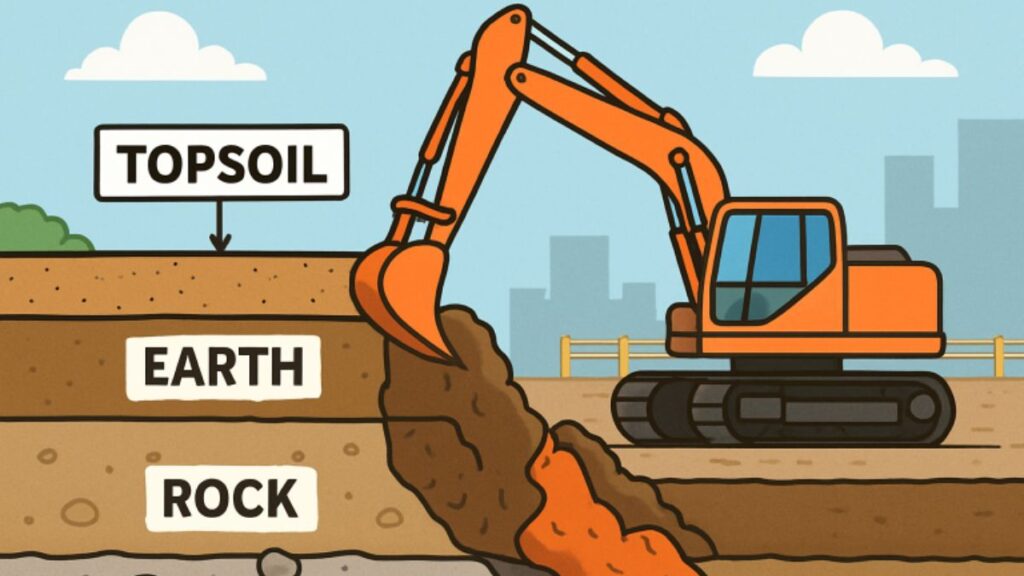
Topsoil Excavation
Purpose: To remove the uppermost soil layer that is rich in organic material and supports vegetation.
Applications:
- Preparing sites for construction by eliminating unstable, soft soil.
- Establishing smooth surfaces for landscaping or farm use.
- Reducing the risk of soil compaction can help plants thrive.
Removing topsoil not only helps achieve a durable foundation but also fosters desirable conditions for re-landscaping or agricultural growth after construction.
Earth Excavation
Purpose: To remove soil layers beneath the topsoil until stable, solid ground is reached.
Applications:
- Digging foundations for residential and commercial buildings.
- Preparing terrain for infrastructure like roads and bridges.
- Excavating basements or creating underground parking.
This method allows access to the dense, compact soil that supports structures safely. Properly executed earth excavation keeps buildings secure against settling and shifting over time.
Rock Excavation
Purpose: To break and remove hard rock that cannot be handled with basic digging tools.
Applications:
- Constructing properties on or near hillsides.
- Digging sites with shallow or exposed bedrock.
- Large infrastructure projects in mountainous terrain.
Rock excavation demands specialized equipment, such as jackhammers and blasting techniques, which increases both project complexity and cost. Techniques vary according to site geology and environmental regulations.
Trench Excavation
Purpose: To dig narrow, deep trenches designed for underground pipes, electrical cables, and drainage installations.
Applications:
- Utility work (water, sewer, gas).
- Irrigation and watering lines in agriculture and landscaping.
- Foundations for load-bearing footings and retaining walls.
Trenching enables the organized installation and future maintenance of essential utilities, helping shield them from accidental damage during subsequent construction activities.
Dredging Excavation
Purpose: To remove accumulated sediments and debris from underwater environments.
Applications:
- Cleansing ponds and restoring aquatic health.
- Maintaining rivers and preventing flooding.
- Managing harbors for boat traffic and shipping.
Dredging not only provides navigable waterways but also reduces the risk of flooding by clearing blockages caused by eroded sediments.
Cut and Fill Excavation
Purpose: To flatten uneven terrain by cutting away high spots and filling low areas.
Applications:
- Road grading and leveling work.
- Creating uniform sites for commercial or residential buildings.
- Draining water efficiently away from structures.
The cut-and-fill approach reduces future settlement problems and pooling by ensuring that surfaces are properly graded before construction commences.
Muck Excavation
Purpose: To extract saturated, unstable soil, often found in wetland or reclaimed land sites.
Applications:
- Developing marshy, swampy, or poorly drained properties.
- Rehabilitating land with chronic water issues.
- Creating stable roadways across soft ground.
Muck excavation is necessary to remove problematic soils or blend them with drier aggregate to produce a stable foundation for infrastructure, especially in challenging environments.
Drainage Excavation
Purpose: To design and install systems that guide and control water flow, preventing flooding and erosion.
Applications:
- Redirecting runoff around commercial sites or parking lots.
- Constructing retention or detention basins.
- Controlling soil erosion on slopes and embankments.
- Installing stormwater culverts and drainage swales.
Properly designed drainage excavation ensures the longevity of paving, landscaping, and built structures by reducing damage caused by unmanaged water flows and severe weather events.
Final Thoughts
In every phase of site preparation or infrastructure development, understanding and applying the right type of excavation is vital to project success. This involves careful analysis of site conditions, regulatory needs, and long-term property goals. Prioritizing professional expertise and compliance with safety standards reduces risks of structural failure, costly delays, and environmental damage.
For property owners, developers, and general contractors, recognizing the distinctions among topsoil removal, trenching, rock excavation, and related work will simplify decision-making and improve outcomes. Use these insights as a foundation for selecting experienced professionals and achieving durable, compliant, and sustainable results.