
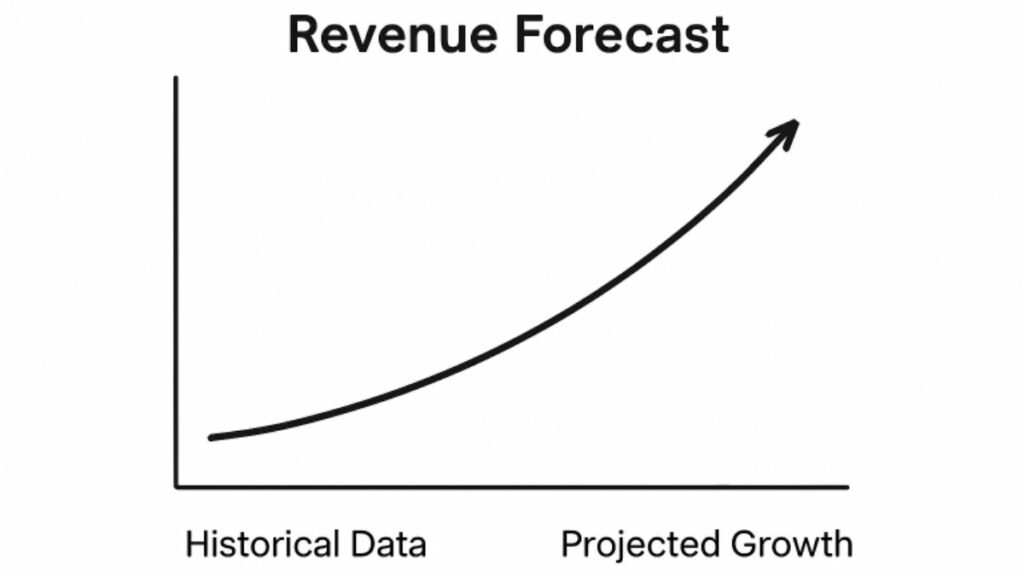
Introduction to Revenue Forecasting
For organizations targeting growth and sustainability, a structured approach to predicting future income is indispensable. Revenue forecasting utilizes historical datasets, market intelligence, and predictive analytics to enable businesses to create projections that inform decisions ranging from staffing to capital investments. Leveraging sophisticated tools for revenue management can streamline these processes, enabling teams to focus on critical analysis and strategic refinement.
Accurate revenue forecasts enhance confidence among stakeholders, demonstrate operational transparency, and are often essential for securing external funding. Businesses rely on precise projections to set achievable goals, optimize resource allocation, and sidestep avoidable risks tied to uncertain cash flow.
Beyond internal priorities, organizations must also consider external market forces. Economic fluctuations, evolving customer expectations, and competitive activities can all impact future revenues. Establishing a forecasting routine that accounts for these elements increases the resilience of any business plan.
Building a robust revenue forecasting model means combining quantitative analysis with market awareness, ensuring that projections remain realistic and adaptable even as conditions change. According to Forbes, integrating data-driven forecasting with strategic planning can be a game-changer for businesses aiming to thrive in dynamic markets.
Once a comprehensive dataset is available, utilize data visualization tools and statistical software to identify trends, outliers, and opportunities for improvement. These insights guide the customization of your forecasting model, enhancing the likelihood of producing accurate estimates. Case studies from leading organizations featured in Forbes reveal that companies with a disciplined historical data review process consistently outperform their competitors in terms of forecast reliability and business agility.
Step 1: Gather Historical Data
The foundation of any reliable forecast lies in solid historical data. Start by collecting information on sales over the past several months or years—broken down by time period, products or services, distribution channels, and customer segments. This provides a holistic view of revenue drivers and recurring seasonal trends.
Data quality is vital. Incomplete or inaccurate sales records can distort projections and impair decision-making. Automating data collection and maintaining thorough records within CRM systems enhances speed and reliability, thereby reducing human error and increasing trust in the resulting insights.
Supplement revenue figures with supporting metrics such as average transaction value, customer retention rates, and lead conversion ratios. These metrics shed light on underlying sales activities and provide better context for forecasting models. Additionally, segmenting data by region or customer type can enable more granular and actionable forecasts.
Step 2: Analyze Market Conditions
Internal performance doesn’t occur in a vacuum. Assess the current market landscape by examining industry growth rates, key economic signals (such as inflation or unemployment rates), and the activities of competitors. A surge in consumer demand, market disruptions, or regulatory changes can directly influence forecasting assumptions.
Beware of over-reliance on past trends if your industry is subject to rapid technological change or evolving customer habits. Track relevant news, connect with industry peers, and monitor trade publications to stay informed about shifting market dynamics. Seasonality and cyclical patterns, such as increased retail activity in the fourth quarter or budget freezes at year-end, should also be considered when making your projections.
If feasible, solicit feedback from sales teams, account managers, and other employees who interact regularly with customers and competitors. Firsthand insights highlight emerging opportunities and potential risks that raw data may not capture.
Step 3: Choose a Forecasting Method
Select a forecasting method that aligns with your business model and the available data. The three most common approaches are:
- Straight-Line Forecasting: Projects revenue based on a uniform growth rate derived from past performance. Ideal for stable, mature markets.
- Moving Average: Averages revenue across multiple periods to neutralize volatility, making it well-suited for businesses with seasonal fluctuations.
- Regression Analysis: Uses statistical methods to uncover relationships between variables (e.g., advertising spend and sales revenue) and predict future outcomes. This is valuable for more complex, multivariable environments.
Some businesses may also benefit from hybrid approaches or machine learning-powered models. The best fit depends on your organization’s scale, data integrity, and resource availability.
Step 4: Build the Forecast Model
Once you’ve selected a methodology, input your gathered data and construct the forecast model. Pay close attention to the assumptions underlying your projections—seasonality, cyclical changes, and one-off events (such as product launches or mergers) can all influence outcomes.
Modern forecasting software can automate calculations, build data visualizations, and run scenario analyses. Whether using spreadsheets or advanced SaaS platforms, ensure you document each step, making it easier for collaborators to review or refine the model as business needs evolve.
Step 5: Validate and Adjust the Model
After building your model, compare its short-term forecasts to actual results. Are discrepancies consistent with known market shifts? If errors arise, revisit your assumptions, re-examine your input data, and adjust your methodology as needed. Model validation is not a one-time event but an ongoing process that ensures your projections stay relevant.
Iterative refinement and regular team reviews allow you to catch mistakes early and build broader support for the forecast’s outcomes. Over time, this fosters a culture of accountability and continuous improvement across your organization.
Step 6: Implement and Monitor the Forecast
Integrate your revenue forecast into operational plans, budgeting cycles, and executive dashboards to inform strategic decision-making. Empower teams to use these projections for performance measurement, inventory planning, and setting incentive targets. The more actionable your forecast, the more likely it is to drive positive business outcomes.
Consistent monitoring is critical. Schedule regular reviews (monthly or quarterly) to compare projected revenue with actual results. This enables timely course corrections when needed and ensures continued alignment between forecasts and actual performance.
Final Thoughts
Constructing a revenue forecast model is both an art and a science, requiring a disciplined blend of historical analysis, market intelligence, and flexible modelling. By following the steps outlined above, organizations can increase the accuracy of their forecasts, better navigate uncertainty, and position themselves for sustainable growth in any economic climate.