
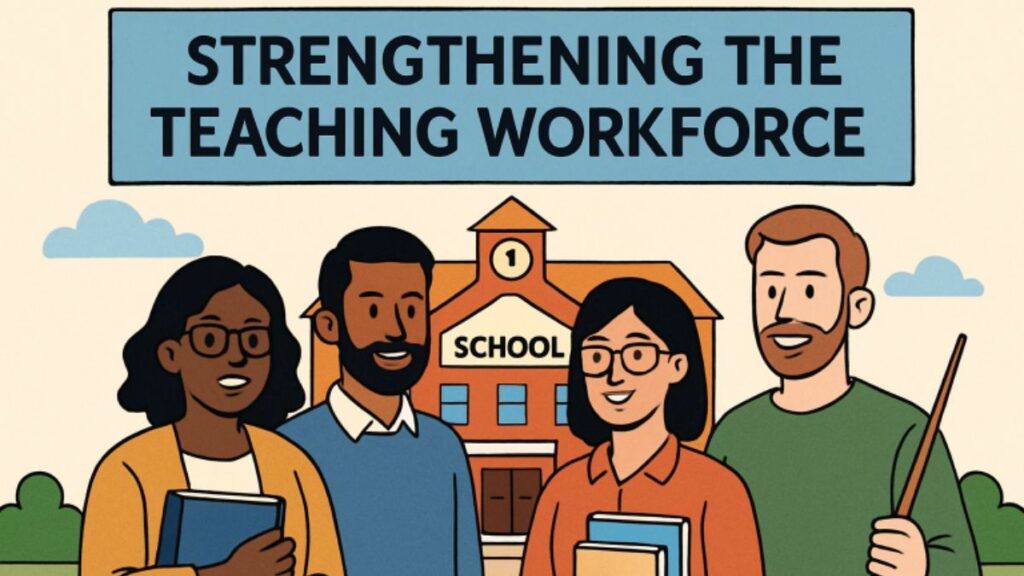
The teacher shortage across the U.S. challenges education systems and communities. High-quality education relies on attracting, preparing, and retaining diverse, well-trained teachers. States respond with laws, partnerships, and support measures serving as models. As teachers retire or leave faster, and the pipeline struggles, solutions like policy reform, funding, and collaboration are vital. Some states focus on diversity and inclusivity to strengthen the workforce and reflect classroom diversity. The crisis requires systemic reform of teacher prep and support. Addressing it benefits community resilience and student achievement, making it a national issue.
California’s Legislative Measures
Recent legislative changes in California offer a clear example of innovative policy action. The passage of Senate Bill 153 significantly streamlines entry into teaching credential programs. By enabling individuals with a bachelor’s degree to demonstrate essential skills without added standardized tests, California is reducing obstacles that previously deterred many prospective educators. This reduction in bureaucratic barriers is helping to make the teaching profession more accessible and appealing, especially to mid-career changers and those from nontraditional backgrounds. Similarly, students and families navigating higher education can benefit from guidance through services like college preparation consulting, which helps streamline the often complex college admissions process and ensures readiness for academic success. Such legislative and supportive reforms are vital as states and institutions look for scalable solutions that expand access and opportunity.
Michigan’s Financial Incentives
Investment in future teachers is another effective lever. Michigan has made noteworthy progress through substantial state funding aimed at growing the teacher pipeline. The introduction of fellowships, scholarships, and substantial stipends has made teacher preparation programs more financially attainable for a broader population. As a result, Michigan is seeing a significant increase in enrollment in educator preparation programs. These targeted financial supports not only attract new candidates but also reduce attrition within programs by making completion more feasible.
Collaborative Workforce Development
California has pioneered another practical approach through coordinated inter-agency collaboration. This collaboration ensures statewide alignment, setting clear, measurable goals and shared priorities to maximize impact and eliminate duplication of effort. Such statewide frameworks also enable the better identification of shortages in areas such as special education and STEM, directing resources where they are needed most.
Promoting Diversity in Teacher Recruitment
A diverse teaching workforce fosters a more inclusive and responsive educational environment. In California, the California State University (CSU) system has reported that over 55% of current candidates in their teaching credential programs are from populations traditionally underrepresented in education. Initiatives focusing on equity and access—such as outreach to underrepresented communities and culturally responsive mentoring—help ensure incoming teachers mirror the backgrounds and experiences of their student populations, which research shows has positive benefits for student achievement and well-being.
Simplifying and Modernizing Credentialing
States like Colorado have focused on the credentialing process as a key area for reform. By reauthorizing educator preparation programs and recognizing alternative pathways, such as teacher apprenticeships, Colorado is lowering entry barriers and promoting on-the-job learning experiences. These changes provide schools with greater flexibility to recruit qualified candidates with diverse experiences, while ensuring rigorous preparation and support. The result is an educator pipeline that is more efficient, responsive, and aligned with school needs.
Addressing Financial Barriers and Retention
Widespread recognition of the financial obstacles faced by aspiring educators has prompted more states to allocate additional resources to scholarships, “grow-your-own” initiatives, and living stipends for candidates. These investments are essential for recruiting a steady, talented cohort of new teachers and helping them persist to program completion and into their first years in the classroom. Financial supports help ensure that teaching remains an accessible and viable career, not limited by economic background or geographic location.
Conclusion
The teacher shortage crisis is multifaceted, requiring comprehensive and coordinated solutions that encompass policy, practice, and partnerships. Each state’s context is unique, yet the strategies highlighted here—policy innovation, financial investment, collaborative planning, expanded credentialing, and strengthened teacher diversity—offer a blueprint for action. Sustained commitment to these approaches will help ensure every child has access to excellent educators and a robust public education system, now and for generations to come.