
Introduction to Self Defense in Colorado
Understanding the boundaries of self defense is crucial for anyone living or traveling in Colorado, where laws strike a balance between the right to protection and public safety. The Colorado legal system recognizes the right to defend oneself—a right deeply rooted in both common sense and state law. However, the details and limitations of that right often catch people off guard, occasionally resulting in legal trouble for those who mistakenly overstep these boundaries. For individuals interested in a more personalized evaluation of their rights or who require legal representation, martinlawfirmpc.com offers expert guidance tailored to Colorado’s legal landscape.
Because self defense laws carry profound implications—including possible assault or homicide charges for misunderstandings—it is imperative to be well-informed about when and how force may be used legally. A single misinterpretation could turn an act of protection into a criminal offense, putting your freedom, finances, and reputation at stake. The following guide clarifies these concepts, providing a comprehensive explanation of relevant statutes, principles, and recent developments.
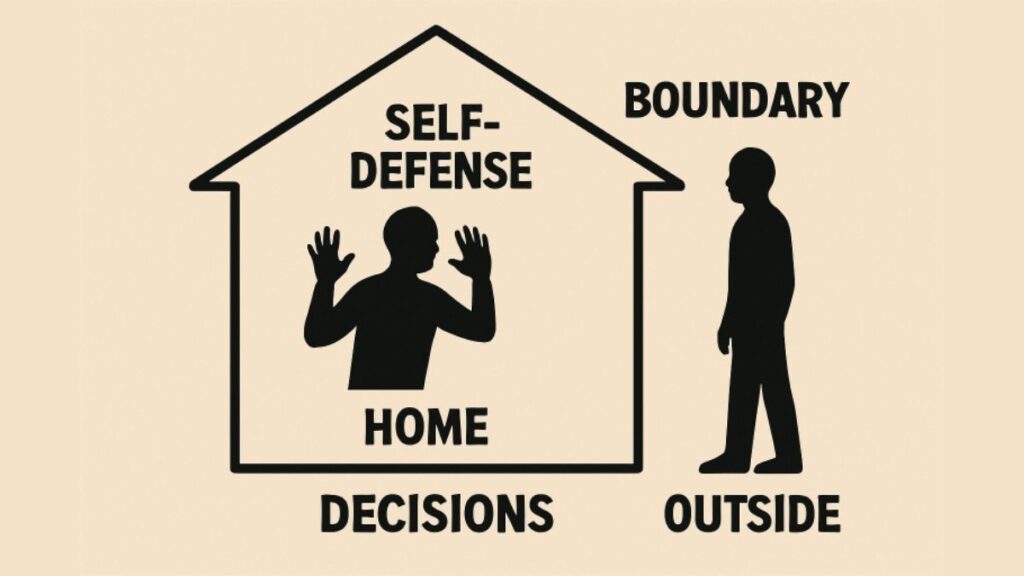
The Castle Doctrine: Defending Your Home
Colorado’s version of the Castle Doctrine is formally known as the “Make My Day” law. This law empowers occupants to use force, including deadly force, against someone unlawfully entering their home if they reasonably believe the intruder intends to commit a crime and threatens physical harm. Immunity from prosecution is only granted if these conditions are met; otherwise, occupants may still face charges. The nuance lies in what’s considered a “reasonable belief”—a determination that often comes into play if charges are filed and the incident is reviewed in court. Both homeowners and renters must be aware of these rules to avoid serious legal pitfalls. For a detailed analysis of this law, refer to the Office of Justice Programs.
Stand Your Ground: No Duty to Retreat
In Colorado, individuals are not legally obligated to retreat before using force when facing a threat. This notion—often called the “stand your ground” principle—means that someone may defend themselves wherever they have a lawful right to be, without first attempting to flee. That said, the law does not grant carte blanche to use any level of force. The legal matrix insists on proportionality, meaning the defensive force must match the perceived threat. This concept was reinforced during legislative debates and publicized cases that tested its boundaries. For more information on how Colorado’s laws compare to those of other states, see the Stand-Your-Ground Law article.
Proportionality and Reasonableness in Self Defense
Proportionality is a cornerstone concept in evaluating self defense claims in Colorado. Simply put, the response to a threat must be reasonable and measured against the danger presented. For instance, using deadly force to counter a slap or verbal threat would almost certainly be considered excessive and result in criminal liability. In court, juries and judges assess whether the level of force used was proportionate to the threat at hand, considering factors such as the assailant’s size, the presence of weapons, and the manner of attack. The case of People v. La Voie illustrates how courts evaluate the reasonableness of self defense claims.
Recent Legislative Changes and Their Implications
Over recent years, Colorado legislators have tightened regulations affecting both self defense scenarios and firearm ownership. New rules require more comprehensive background checks and the completion of approved safety courses for those wishing to purchase certain semiautomatic firearms. While these efforts are designed to enhance public safety, they also mean residents must take extra care to remain compliant when arming themselves for self defense. The changing legal environment highlights the importance of staying informed about current firearm and self defense policies to avoid inadvertent violations. For instance, a new law taking effect on July 1, 2025, will add requirements for obtaining concealed carry licenses, including the mandate of eight hours of in-person instruction and passing a live-fire test. For more details, refer to this Axios article.
High-Profile Cases Highlighting Self Defense Issues
High-profile incidents in Colorado have recently brought attention to how self defense laws are applied in real-world situations. For example, the widely reported 2025 Boulder fire attack involved the use of incendiary devices in a public place. It provoked intense debate over what constitutes a reasonable and proportionate defensive response. Analysis of this and similar cases highlights the risks of making split-second decisions under stress—and the potential for severe legal repercussions if the response doesn’t meet legal standards. Media coverage from major outlets, such as The Denver Post, frequently explores how community safety and individual rights intersect in high-stakes scenarios.
Legal Consequences of Misusing Self Defense Claims
Claiming self defense is not an all-purpose excuse for injuring or killing another person in Colorado. If the criteria for lawful self defense are not met, the individual may face charges ranging from assault to homicide, depending on the outcome and severity of the incident. These cases can result in criminal prosecution, civil lawsuits, financial damages, and long-term consequences for both personal and professional reputations. Consulting with experienced legal professionals and staying informed about relevant statutory updates are crucial steps in reducing risk and responsibly asserting one’s rights in challenging situations.
Conclusion: Navigating Self Defense Laws Responsibly
With the stakes so high, understanding Colorado’s self defense laws is vital for everyone—from homeowners and business owners to bystanders and public servants. Familiarizing oneself with principles like the Castle Doctrine, “stand your ground” rules, and the necessity of proportionality can make all the difference in making lawful choices when faced with danger. Staying updated on legislative changes, learning from recent cases, and seeking out reputable legal counsel are all essential steps toward responsible and informed self defense in Colorado.